Corrosion is a significant concern when it comes to above ground fuel tanks. As a leading supplier of Above Ground Diesel Fuel Tank and Above Ground Gasoline Tank, we understand the importance of preventing corrosion to ensure the longevity and safety of these tanks. In this blog post, we will explore various strategies and best practices to prevent corrosion in above ground fuel tanks.
Understanding Corrosion in Above Ground Fuel Tanks
Before delving into prevention methods, it's crucial to understand what causes corrosion in above ground fuel tanks. Corrosion is a natural electrochemical process that occurs when metal reacts with its environment. In the context of fuel tanks, several factors can contribute to corrosion:
- Moisture: Water is one of the primary culprits in fuel tank corrosion. It can enter the tank through condensation, rainwater, or contaminated fuel. Once inside, water can settle at the bottom of the tank, creating an ideal environment for corrosion to occur.
- Oxygen: Oxygen in the air can react with the metal surface of the tank, leading to oxidation and corrosion. This is especially true in areas where the tank is exposed to the atmosphere, such as the top of the tank.
- Chemical Reactions: Certain chemicals present in the fuel, such as sulfur and acids, can also contribute to corrosion. These chemicals can react with the metal surface of the tank, causing it to deteriorate over time.
- Microorganisms: Microorganisms, such as bacteria and fungi, can grow in the water at the bottom of the tank. These microorganisms can produce acids and other corrosive substances, which can accelerate the corrosion process.
Preventive Measures
Material Selection
The first step in preventing corrosion is to choose the right material for the fuel tank. Different materials have different levels of resistance to corrosion. Some common materials used for above ground fuel tanks include:
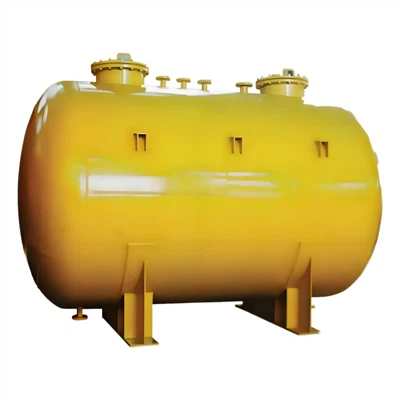
- Steel: Steel is a popular choice for fuel tanks due to its strength and durability. However, steel is prone to corrosion, especially in the presence of moisture and oxygen. To prevent corrosion, steel tanks are often coated with a protective layer, such as epoxy or zinc.
- Aluminum: Aluminum is a lightweight and corrosion-resistant material. It is less prone to corrosion than steel, making it a good choice for fuel tanks. However, aluminum is more expensive than steel, and it may not be suitable for all applications.
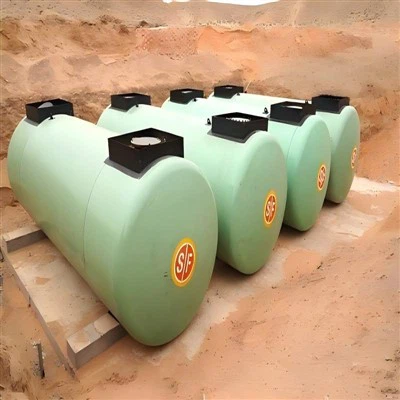
- Fiberglass Reinforced Plastic (FRP): FRP is a composite material made of fiberglass and resin. It is lightweight, corrosion-resistant, and has excellent chemical resistance. FRP tanks are often used in applications where corrosion is a major concern, such as in the chemical and petroleum industries.
Protective Coatings
Applying a protective coating to the interior and exterior of the fuel tank is an effective way to prevent corrosion. Protective coatings can act as a barrier between the metal surface of the tank and the corrosive environment. Some common types of protective coatings include:
- Epoxy Coatings: Epoxy coatings are a popular choice for fuel tanks due to their excellent adhesion and corrosion resistance. Epoxy coatings can be applied to the interior and exterior of the tank to provide a protective barrier against moisture, oxygen, and chemicals.
- Zinc Coatings: Zinc coatings, also known as galvanizing, are another common method of protecting steel tanks from corrosion. Zinc is a sacrificial metal, which means that it will corrode before the steel. By applying a zinc coating to the steel tank, the zinc will act as a sacrificial anode, protecting the steel from corrosion.
- Polyurethane Coatings: Polyurethane coatings are a type of protective coating that is known for its durability and resistance to abrasion. Polyurethane coatings can be applied to the exterior of the tank to provide a protective barrier against the elements.
Regular Inspections
Regular inspections are essential for detecting and preventing corrosion in above ground fuel tanks. Inspections should be conducted at least once a year, or more frequently if the tank is located in a harsh environment. During an inspection, the following should be checked:
- Exterior of the Tank: Check the exterior of the tank for signs of corrosion, such as rust, pitting, or discoloration. Look for any signs of damage, such as dents or scratches, which could compromise the integrity of the tank.
- Interior of the Tank: Inspect the interior of the tank for signs of corrosion, such as rust, sludge, or water. Check the fuel level and look for any signs of contamination, such as sediment or debris.
- Fittings and Valves: Check the fittings and valves on the tank for signs of corrosion or damage. Make sure that all fittings and valves are tight and secure.
- Ventilation System: Check the ventilation system of the tank to ensure that it is working properly. A properly functioning ventilation system can help to prevent the buildup of pressure and moisture inside the tank.
Proper Maintenance
Proper maintenance is crucial for preventing corrosion in above ground fuel tanks. Some maintenance tasks that should be performed regularly include:
- Fuel Quality Control: Ensure that the fuel stored in the tank is of high quality and free from contaminants. Contaminated fuel can contain water, sediment, and other impurities, which can contribute to corrosion.
- Water Removal: Regularly remove any water that has accumulated at the bottom of the tank. Water can be removed using a water separator or by draining the tank.
- Tank Cleaning: Periodically clean the interior of the tank to remove any sediment, sludge, or other contaminants. Tank cleaning can be done using a pressure washer or by hiring a professional tank cleaning service.
- Coating Maintenance: If the tank is coated with a protective layer, such as epoxy or zinc, make sure that the coating is in good condition. If the coating is damaged or worn, it should be repaired or reapplied as soon as possible.
Environmental Considerations
The environment in which the fuel tank is located can also have an impact on corrosion. Some environmental factors that should be considered include:
- Location: Choose a location for the fuel tank that is away from sources of moisture, such as water bodies, drainage areas, or areas prone to flooding. The tank should also be located in a well-ventilated area to prevent the buildup of pressure and moisture inside the tank.
- Climate: Consider the climate in which the tank will be located. In areas with high humidity or frequent rainfall, the tank may be more prone to corrosion. In these areas, it may be necessary to take additional precautions, such as using a corrosion-resistant coating or installing a dehumidifier.
- Soil Conditions: If the tank is buried underground, the soil conditions can also have an impact on corrosion. Some soils, such as acidic or alkaline soils, can be more corrosive than others. In these areas, it may be necessary to use a corrosion-resistant coating or to install a cathodic protection system.
Conclusion
Preventing corrosion in above ground fuel tanks is essential for ensuring the longevity and safety of the tank. By following the strategies and best practices outlined in this blog post, you can significantly reduce the risk of corrosion and extend the lifespan of your fuel tank. As a supplier of Above Ground Gasoline Fuel Tank and other above ground fuel tanks, we are committed to providing our customers with high-quality products and expert advice on corrosion prevention. If you have any questions or would like to learn more about our products and services, please do not hesitate to contact us. We look forward to working with you to meet your fuel storage needs.


References
- "Corrosion Prevention in Fuel Tanks." National Fire Protection Association.
- "Above Ground Fuel Storage Tanks: A Guide to Selection, Installation, and Maintenance." American Petroleum Institute.
- "Corrosion Basics: An Introduction to the Fundamentals of Corrosion." NACE International.