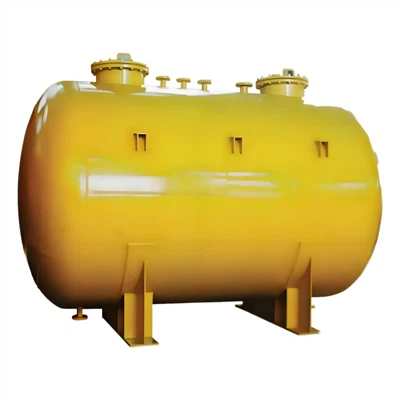
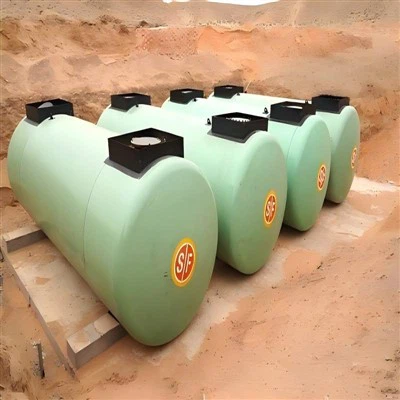
Hey there! As a supplier of Underground Diesel Tank, I know how crucial it is to test the integrity of these tanks. Underground diesel tanks are used in various settings, from small businesses to large industrial facilities. Ensuring their integrity is not only about protecting your investment but also about safety and environmental compliance.
Why Test the Integrity of Underground Diesel Tanks?
First off, let's talk about why we even need to test these tanks. Diesel is a volatile and potentially hazardous substance. If an underground diesel tank has a leak, it can contaminate the soil and groundwater, leading to serious environmental problems. Plus, it can be a huge financial burden to clean up a diesel spill.
On top of that, many local and national regulations require regular testing of underground fuel tanks to ensure they're in good working condition. Failing to comply with these regulations can result in hefty fines. And let's not forget about the potential safety risks. A leaking tank can create a fire or explosion hazard, putting people and property at risk.
Visual Inspection
One of the simplest and most basic ways to test the integrity of an underground diesel tank is through a visual inspection. This should be done regularly, at least once a year.
Start by checking the area around the tank for any signs of diesel leakage. Look for stains on the ground, a strong smell of diesel, or any unusual wet spots. If you notice any of these signs, it could be a sign of a leak.
Next, inspect the tank's pipes, valves, and fittings. Make sure they're all in good condition and there are no signs of corrosion or damage. Check for any loose connections or leaks around these components. A small leak in a pipe or fitting can quickly turn into a big problem if left unchecked.
Pressure Testing
Pressure testing is another important method for testing the integrity of an underground diesel tank. This involves pressurizing the tank and then monitoring the pressure to see if it drops over time.
To perform a pressure test, you'll need a pressure gauge and a way to pressurize the tank. You can use a hand pump or an air compressor to increase the pressure inside the tank to a specified level. Once the desired pressure is reached, close the valve and monitor the pressure gauge for a set period of time, usually around 30 minutes to an hour.
If the pressure drops significantly during the test, it could indicate a leak in the tank. However, it's important to note that a small drop in pressure could be due to normal expansion and contraction of the tank or the diesel inside. To be sure, you may need to repeat the test or use additional testing methods.
Vacuum Testing
Vacuum testing is similar to pressure testing, but instead of pressurizing the tank, you create a vacuum inside it. This can be a more sensitive method for detecting small leaks.
To perform a vacuum test, you'll need a vacuum pump and a vacuum gauge. First, pump the air out of the tank to create a vacuum. Then, close the valve and monitor the vacuum gauge for a set period of time. If the vacuum level drops, it could indicate a leak in the tank.


Vacuum testing is often used in conjunction with pressure testing to get a more accurate picture of the tank's integrity. It's especially useful for detecting leaks in the tank's seams and welds.
Ultrasonic Testing
Ultrasonic testing is a non-destructive testing method that uses high-frequency sound waves to detect flaws in the tank's walls. This method is particularly useful for detecting internal corrosion or damage that may not be visible from the outside.
During an ultrasonic test, a technician will use an ultrasonic transducer to send sound waves into the tank's walls. The sound waves will bounce off any flaws or defects in the walls and return to the transducer. The technician can then analyze the returning sound waves to determine the location and size of the flaws.
Ultrasonic testing is a relatively quick and easy way to test the integrity of an underground diesel tank. It doesn't require any drilling or cutting into the tank, so it's a non-invasive method. However, it does require specialized equipment and trained technicians to perform the test accurately.
Groundwater Monitoring
Groundwater monitoring is an important part of testing the integrity of an underground diesel tank. This involves regularly sampling the groundwater around the tank to check for any signs of diesel contamination.
To monitor the groundwater, you'll need to install monitoring wells around the tank. These wells should be placed at strategic locations to ensure that you're sampling the groundwater in the areas where it's most likely to be affected by a leak.
Once the monitoring wells are installed, you'll need to collect water samples from them on a regular basis, usually once a month or once a quarter. The water samples should be analyzed in a laboratory to check for the presence of diesel or other contaminants.
If the laboratory analysis shows that the groundwater is contaminated with diesel, it could indicate a leak in the tank. In this case, you'll need to take immediate action to locate and repair the leak.
Conclusion
Testing the integrity of an underground diesel tank is an important part of maintaining its safety and reliability. By using a combination of visual inspection, pressure testing, vacuum testing, ultrasonic testing, and groundwater monitoring, you can ensure that your tank is in good working condition and free from leaks.
If you're in the market for an Underground Diesel Tank, we're here to help. We offer high-quality underground diesel tanks that are built to last. And if you have any questions about testing the integrity of your tank or need assistance with installation or maintenance, don't hesitate to reach out. We're always happy to help you make the right decision for your needs. Whether you're a small business owner or a large industrial facility, we have the expertise and products to meet your requirements.
References
- American Petroleum Institute (API). API Standard 653, Tank Inspection, Repair, Alteration, and Reconstruction.
- Environmental Protection Agency (EPA). Underground Storage Tanks Regulations.
- National Fire Protection Association (NFPA). NFPA 30, Flammable and Combustible Liquids Code.