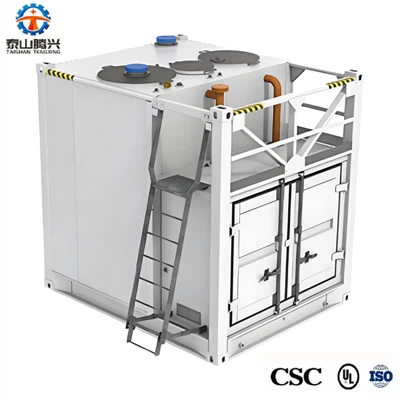
In the realm of liquid fuel transportation, choosing the right container is crucial for ensuring safety, efficiency, and compliance with industry standards. As a supplier of 20FT Tank Container, I am often asked whether a 20FT tank container is suitable for transporting liquid fuels. In this blog post, I will delve into the various aspects of this question, exploring the advantages, limitations, and key considerations associated with using 20FT tank containers for liquid fuel transportation.
Advantages of Using 20FT Tank Containers for Liquid Fuel Transportation
1. Standardization and Compatibility
One of the primary advantages of 20FT tank containers is their standardization. These containers are designed to meet international standards, such as ISO (International Organization for Standardization) specifications. This standardization ensures compatibility with various modes of transportation, including trucks, trains, and ships. As a result, 20FT tank containers can be easily transferred between different transport systems, facilitating seamless intermodal transportation of liquid fuels.
2. Capacity and Flexibility
A 20FT tank container typically has a capacity ranging from 20,000 to 26,000 liters, depending on the specific design and construction. This capacity makes it suitable for transporting a significant volume of liquid fuels, while still maintaining a relatively compact size. The flexibility of 20FT tank containers allows for efficient use of space, whether in a storage yard or during transportation. They can be easily stacked and arranged, maximizing the utilization of available space.
3. Safety Features
20FT tank containers are equipped with a range of safety features to protect the transported liquid fuels and the surrounding environment. These features may include pressure relief valves, emergency shut - off valves, and spill containment systems. Additionally, the containers are constructed using high - quality materials, such as stainless steel or carbon steel, which are resistant to corrosion and can withstand the harsh conditions associated with fuel transportation.
4. Cost - Effectiveness
Compared to building and maintaining dedicated fuel storage and transportation facilities, using 20FT tank containers can be a more cost - effective solution. The initial investment in purchasing or leasing 20FT tank containers is relatively lower, and the operational costs, such as maintenance and transportation, are also more manageable. Moreover, the ability to reuse the containers for multiple shipments further reduces the overall cost per unit of fuel transported.
Limitations of Using 20FT Tank Containers for Liquid Fuel Transportation
1. Limited Capacity for Large - Scale Operations
While the capacity of a 20FT tank container is suitable for many applications, it may be insufficient for large - scale liquid fuel transportation operations. In industries where large volumes of fuel need to be transported in a single shipment, such as refineries or major fuel distributors, larger tankers or storage facilities may be more appropriate.
2. Temperature and Pressure Sensitivity
Some liquid fuels, such as certain types of crude oil or volatile fuels, are highly sensitive to temperature and pressure changes. 20FT tank containers may not always be able to provide the precise temperature and pressure control required for these fuels. In such cases, specialized containers or transportation methods may be necessary to ensure the quality and safety of the transported fuel.
3. Regulatory Compliance
Transporting liquid fuels is subject to a complex set of regulations and standards, which vary from country to country and region to region. Ensuring compliance with these regulations can be challenging, especially when using 20FT tank containers. Suppliers and operators need to stay updated on the latest regulatory requirements and ensure that their containers are properly maintained and inspected to meet these standards.
Key Considerations for Using 20FT Tank Containers for Liquid Fuel Transportation
1. Type of Liquid Fuel
Different types of liquid fuels have different properties, such as viscosity, volatility, and corrosiveness. It is essential to choose a 20FT tank container that is compatible with the specific type of fuel being transported. For example, fuels with high corrosiveness may require containers made of stainless steel or other corrosion - resistant materials.
2. Transportation Route and Conditions
The transportation route and conditions, such as distance, climate, and road or sea conditions, can also affect the suitability of 20FT tank containers for liquid fuel transportation. Long - distance transportation may require additional safety measures and maintenance, while extreme weather conditions, such as high temperatures or freezing temperatures, may impact the performance of the container and the fuel.
3. Loading and Unloading Facilities
Proper loading and unloading facilities are necessary to ensure the efficient and safe transfer of liquid fuels into and out of 20FT tank containers. These facilities should be equipped with the appropriate equipment, such as pumps, hoses, and connectors, and should comply with safety and environmental regulations.


Conclusion
In conclusion, a 20FT tank container can be a suitable option for transporting liquid fuels in many situations. Its standardization, capacity, safety features, and cost - effectiveness make it an attractive choice for a wide range of applications. However, it also has its limitations, particularly in terms of capacity for large - scale operations and the need for precise temperature and pressure control.
When considering using a 20FT tank container for liquid fuel transportation, it is essential to carefully evaluate the type of fuel, transportation route and conditions, and loading and unloading facilities. By taking these factors into account, you can make an informed decision and ensure the safe and efficient transportation of your liquid fuels.
If you are interested in learning more about our 20FT Tank Container or ISO Fuel Container solutions for liquid fuel transportation, please feel free to contact us. We are here to provide you with the best products and services to meet your specific needs.
References
- International Maritime Dangerous Goods (IMDG) Code
- International Organization for Standardization (ISO) standards related to tank containers
- National regulations and guidelines for liquid fuel transportation in relevant countries