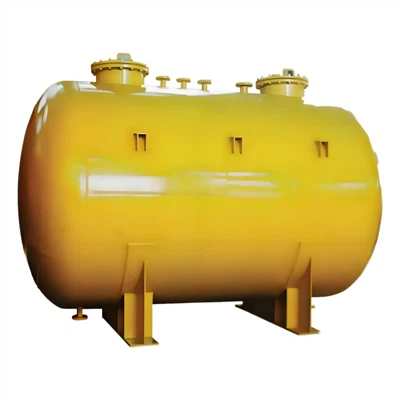
Hey there! I'm a supplier of 40 FT ISO Tanks, and I've been in this business for quite a while. Today, I wanna chat about the compatibility issues between a 40 FT ISO Tank and different liquids.
First off, let's talk about what a 40 FT ISO Tank is. It's a standardized tank container, like the 40 FT ISO Tank we supply. These tanks are designed to transport all sorts of liquids safely and efficiently across the globe. They come in a 40 - foot size, which is a common and practical dimension for shipping.
Now, different liquids have different properties, and these properties can cause compatibility issues with the tank. One of the most crucial factors is the chemical nature of the liquid.
Chemical Compatibility
Corrosive Liquids
Corrosive liquids, like acids and alkalis, can be a real headache. Acids, for example, can react with the metal of the tank. If the tank is made of carbon steel, strong acids can eat away at the metal over time. This not only weakens the tank structure but can also contaminate the liquid. For instance, sulfuric acid is a highly corrosive substance. When it comes into contact with an unprotected steel tank, it can cause pitting and corrosion.
To deal with this, we often use lined tanks. A lining, such as a glass - lined or epoxy - lined interior, acts as a barrier between the liquid and the tank wall. This way, the corrosive liquid doesn't directly touch the metal. But even with linings, we need to be careful. Some acids might still be able to penetrate the lining over a long period or if the lining has any defects.
Alkalis can also cause problems. They can react with certain metals and cause stress corrosion cracking. For example, sodium hydroxide can react with aluminum in some cases. So, when shipping alkaline liquids, we have to choose the right tank material and make sure it's properly treated.
Oxidizing Liquids
Oxidizing liquids are another category to watch out for. These liquids, like hydrogen peroxide, have a strong tendency to cause oxidation. They can react with the tank material and other substances in the environment. If the tank has any organic contaminants on the surface, the oxidizing liquid can react with them, which might lead to a fire or explosion hazard.
We need to ensure that the tank is thoroughly cleaned before filling it with an oxidizing liquid. Also, the tank material should be resistant to oxidation. Stainless steel is often a good choice for transporting oxidizing liquids because it has a passive oxide layer on its surface that provides some protection against oxidation.


Physical Compatibility
Viscosity
The viscosity of a liquid matters a lot. Highly viscous liquids, like heavy oils or molasses, can be difficult to pump in and out of the tank. If the tank's piping and valves are not designed for high - viscosity liquids, there can be flow problems. The liquid might not flow smoothly, which can lead to blockages in the pipes.
We might need to heat the tank to reduce the viscosity of the liquid. For example, when transporting bitumen, which is extremely viscous at room temperature, we use heating coils in the tank to keep the bitumen in a more fluid state. This allows for easier loading and unloading.
Temperature
Temperature is a key factor in physical compatibility. Some liquids expand or contract significantly with temperature changes. If a liquid expands too much inside the tank, it can cause over - pressurization, which is dangerous. For example, liquefied petroleum gas (LPG) is stored under pressure in the tank. If the temperature rises too high, the LPG will expand, and the pressure inside the tank will increase.
We have to design the tank with proper pressure - relief valves to handle these pressure changes. Also, for liquids that need to be kept at a specific temperature, like some pharmaceutical or food - grade liquids, we use insulated tanks. These tanks can help maintain the desired temperature during transportation.
Biological Compatibility
Microbiological Growth
Some liquids, especially those with organic components like fruit juices or wastewater, can support microbiological growth. Bacteria, fungi, and other microorganisms can grow inside the tank if the conditions are right. This can lead to spoilage of the liquid and can also cause corrosion of the tank.
We need to clean and sanitize the tank regularly. Using disinfectants during the cleaning process can help prevent microbiological growth. For food - grade liquids, we have to follow strict hygiene standards to ensure that the liquid remains safe for consumption.
Compatibility Testing
Before we start using a 40 FT ISO Tank for a new liquid, we always conduct compatibility tests. These tests involve exposing a small sample of the tank material to the liquid under controlled conditions. We monitor for any signs of corrosion, discoloration, or other reactions.
We also consider the long - term effects. Sometimes, a reaction might not be obvious right away, but it can develop over weeks or months. So, we run long - term tests to make sure the tank is truly compatible with the liquid.
Conclusion
In conclusion, there are many compatibility issues between a 40 FT ISO Tank and different liquids. Chemical, physical, and biological factors all play a role. As a 40 FT ISO Tank supplier, we take these issues very seriously. We want to ensure that our customers can transport their liquids safely and without any problems.
If you're in the market for a 40 FT ISO Tank and have specific liquid transportation needs, don't hesitate to reach out. We're here to help you choose the right tank and make sure it's fully compatible with your liquid. Whether you're shipping chemicals, food - grade liquids, or any other substances, we've got the expertise to find the best solution for you. Let's have a chat and see how we can work together!
References
- Perry, R. H., & Green, D. W. (1997). Perry's Chemical Engineers' Handbook. McGraw - Hill.
- Crowl, D. A., & Louvar, J. F. (2002). Chemical Process Safety: Fundamentals with Applications. Prentice Hall.