Hey there! As a supplier of ISO Fuel Containers, I often get asked about the compatibility requirements between these containers and fuel additives. It's a crucial topic, especially for those in the fuel industry who rely on these containers to store and transport various fuels. In this blog, I'll break down the key aspects of this compatibility, so you can make informed decisions when it comes to using fuel additives with ISO Fuel Containers.
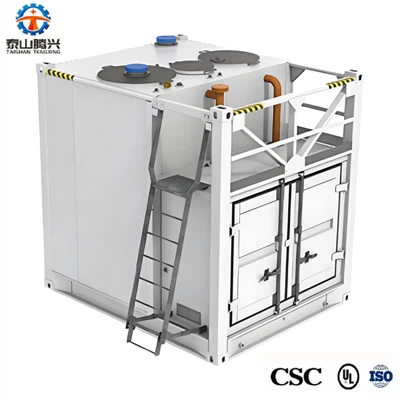
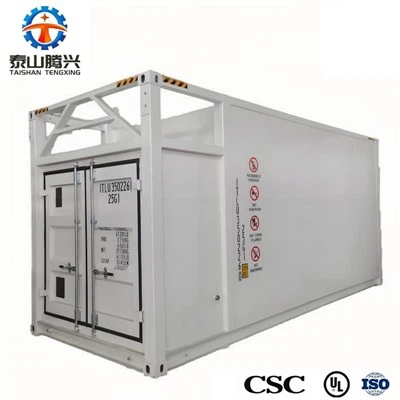
First off, let's understand what ISO Fuel Containers are. These containers are designed to meet international standards set by the International Organization for Standardization (ISO). They're built to be durable, safe, and efficient for storing and transporting different types of fuels. You can check out our ISO Fuel Container for more details on the features and specifications.
Now, fuel additives are substances that are added to fuels to enhance their performance. They can improve fuel efficiency, reduce emissions, prevent corrosion, and more. But when you're using these additives in ISO Fuel Containers, you need to make sure they're compatible. Otherwise, you could run into some serious issues.
One of the main compatibility factors is the chemical composition of the fuel additive and the material of the ISO Fuel Container. Most ISO Fuel Containers are made of materials like stainless steel or carbon steel. These materials are chosen for their strength and resistance to corrosion. However, some fuel additives can react with these metals, causing corrosion or other forms of damage.
For example, if a fuel additive contains strong acids or alkalis, it could potentially corrode the steel walls of the container. This not only weakens the container but can also contaminate the fuel. So, before adding any fuel additive to your ISO Fuel Container, it's important to check the chemical properties of both the additive and the container material.
Another aspect to consider is the temperature and pressure conditions. Fuel additives can behave differently under different temperature and pressure settings. Some additives might break down or become less effective at high temperatures, while others could cause the pressure inside the container to increase. This is why it's crucial to follow the manufacturer's guidelines for both the ISO Fuel Container and the fuel additive.


Let's take a closer look at some common types of fuel additives and their compatibility with ISO Fuel Containers.
Detergents
Detergents are often added to fuels to clean the fuel system and prevent the formation of deposits. They're generally considered safe to use with ISO Fuel Containers made of stainless steel or carbon steel. However, you still need to make sure that the detergent doesn't contain any harmful chemicals that could react with the container material.
Antioxidants
Antioxidants are used to prevent the oxidation of fuels, which can lead to the formation of gums and varnishes. These additives are usually compatible with ISO Fuel Containers, but again, it's important to check the specific formulation.
Corrosion Inhibitors
As the name suggests, corrosion inhibitors are added to fuels to protect the fuel system from corrosion. They can be a great addition to ISO Fuel Containers, as they help to extend the lifespan of the container. But make sure the corrosion inhibitor is suitable for the type of metal used in the container.
Octane Boosters
Octane boosters are used to increase the octane rating of gasoline, which can improve engine performance. Some octane boosters contain chemicals like lead or manganese, which can be harmful to the environment and the container. It's important to choose an octane booster that's compatible with your ISO Fuel Container and meets all the relevant regulations.
In addition to the chemical compatibility, you also need to consider the physical compatibility. This includes factors like the viscosity of the fuel additive and the size of the particles. If the additive is too viscous, it could clog the fuel lines or filters in the container. And if the particles are too large, they could cause abrasion or damage to the container walls.
To ensure the compatibility between ISO Fuel Containers and fuel additives, here are some best practices:
- Read the labels: Always read the labels of both the ISO Fuel Container and the fuel additive. They should provide information about the compatibility, usage instructions, and any safety precautions.
- Conduct tests: Before using a new fuel additive in your ISO Fuel Container, it's a good idea to conduct some small-scale tests. This can help you identify any potential compatibility issues before you commit to using the additive on a larger scale.
- Follow the guidelines: Follow the manufacturer's guidelines for both the ISO Fuel Container and the fuel additive. This includes the recommended dosage, storage conditions, and handling procedures.
- Seek professional advice: If you're unsure about the compatibility between a specific fuel additive and your ISO Fuel Container, don't hesitate to seek professional advice. You can consult with the container manufacturer, the fuel additive supplier, or a fuel expert.
At our company, we understand the importance of compatibility between ISO Fuel Containers and fuel additives. That's why we offer a wide range of ISO Fuel Containers, including the 20FT Tank Container, that are designed to be compatible with a variety of fuel additives. We also provide detailed information and support to help our customers make the right choices.
If you're in the market for ISO Fuel Containers or have any questions about fuel additive compatibility, we'd love to hear from you. Whether you're a small business or a large corporation, we can work with you to find the best solutions for your needs. Contact us today to start a conversation about your fuel container requirements.
In conclusion, ensuring the compatibility between ISO Fuel Containers and fuel additives is essential for the safe and efficient storage and transportation of fuels. By understanding the chemical and physical properties of both the container and the additive, and following the best practices, you can avoid potential problems and get the most out of your fuel system.
References
- ASTM International. (Year). Standard specifications for ISO tank containers.
- Fuel Additive Manufacturers Association. (Year). Guidelines for the use of fuel additives in ISO fuel containers.