When it comes to the installation of above ground fuel tanks in seismic areas, there are numerous critical requirements that must be met to ensure safety, compliance, and long - term functionality. As a supplier of above ground fuel tanks, I understand the importance of these requirements and am committed to providing our customers with the best solutions that adhere to all relevant standards.
1. Seismic Design Considerations
The first and foremost requirement for above ground fuel tank installation in seismic areas is proper seismic design. Seismic activity can subject fuel tanks to significant forces, including lateral and vertical accelerations, which can lead to tank failure if not properly accounted for.
Structural Integrity
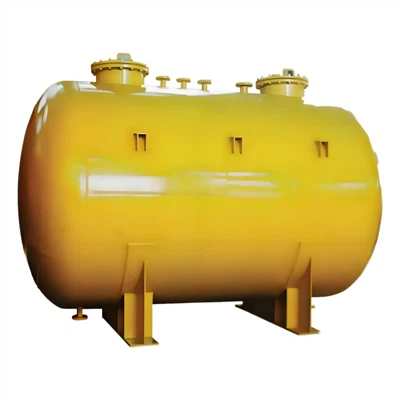
The tank structure itself must be designed to withstand seismic forces. This involves using high - quality materials with appropriate strength and ductility. For example, steel tanks are commonly used due to their excellent strength - to - weight ratio and ability to deform without sudden rupture. The thickness of the tank walls is carefully calculated based on the tank's size, capacity, and the seismic zone in which it will be installed.
Anchoring and Foundation
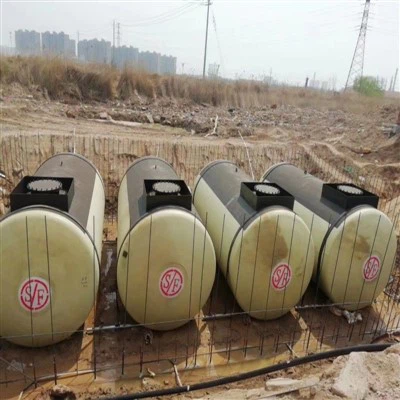
Proper anchoring of the fuel tank to a stable foundation is crucial. The foundation should be designed to resist the uplift and sliding forces generated during an earthquake. In many seismic areas, reinforced concrete foundations are used. The tank is then securely anchored to the foundation using bolts or other suitable fastening methods. This prevents the tank from shifting or toppling during seismic events.
2. Regulatory Compliance
Compliance with local, national, and international regulations is non - negotiable when installing above ground fuel tanks in seismic areas. Different regions have different seismic design codes and safety standards that must be followed.
Local Building Codes
Local building codes often specify the minimum requirements for seismic design of fuel tanks. These codes take into account the specific seismic hazard level of the area, which is determined by factors such as historical earthquake data and geological conditions. For example, in areas with high seismic activity, the codes may require more stringent design and construction measures.
Industry Standards
In addition to local codes, industry standards also play a vital role. Standards such as those set by the American Petroleum Institute (API) provide guidelines for the design, construction, and installation of above ground fuel tanks. These standards are widely recognized and followed in the industry to ensure the safety and reliability of fuel storage systems.
3. Leak Prevention and Containment
Seismic events can cause damage to fuel tanks, potentially leading to leaks. Therefore, leak prevention and containment measures are essential requirements for above ground fuel tank installation in seismic areas.


Secondary Containment
Secondary containment systems are designed to capture any fuel that may leak from the primary tank. This can be in the form of a concrete or steel berm surrounding the tank. The secondary containment should have sufficient capacity to hold at least 110% of the tank's volume to ensure that any potential leaks are contained.
Leak Detection Systems
Installing leak detection systems is also crucial. These systems can continuously monitor the tank for any signs of leakage, such as changes in fuel level or pressure. Early detection of leaks allows for prompt action to be taken, minimizing the environmental impact and potential safety hazards.
4. Maintenance and Inspection
Regular maintenance and inspection are necessary to ensure that above ground fuel tanks in seismic areas remain in good condition and continue to meet the required safety standards.
Scheduled Inspections
Scheduled inspections should be carried out at regular intervals to check for any signs of damage or wear. This includes visual inspections of the tank structure, anchoring, and secondary containment system. Non - destructive testing methods, such as ultrasonic testing or magnetic particle testing, may also be used to detect internal defects.
Maintenance Procedures
Proper maintenance procedures should be established to address any issues identified during inspections. This may include repairing minor damages, replacing worn - out components, or repainting the tank to prevent corrosion.
5. Emergency Response Planning
In the event of an earthquake or other seismic event, having a well - defined emergency response plan is essential.
Evacuation and Safety Protocols
The emergency response plan should include evacuation procedures for personnel in the vicinity of the fuel tank. It should also outline safety protocols to be followed in case of a fuel leak or fire, such as shutting off fuel supply valves and using fire - fighting equipment.
Communication and Coordination
Effective communication and coordination with local emergency responders, such as fire departments and environmental agencies, are also important. This ensures that a timely and appropriate response can be mounted in case of an emergency.
Our Offerings as a Supplier
As an above ground fuel tank supplier, we offer a wide range of products designed to meet the requirements for installation in seismic areas. We provide Above Ground Diesel Fuel Tank, Above Ground Gasoline Tank, and Above Ground Diesel Tank, all of which are engineered to withstand seismic forces.
Our tanks are designed and manufactured in strict accordance with relevant industry standards and local building codes. We work closely with our customers to understand their specific needs and ensure that the tank installation is carried out safely and efficiently. Our team of experts can provide guidance on seismic design, foundation requirements, and emergency response planning.
If you are in need of an above ground fuel tank for installation in a seismic area, we encourage you to contact us for a detailed consultation. We are committed to providing you with the best solutions that meet your requirements and ensure the safety and reliability of your fuel storage system.
References
- American Petroleum Institute (API). API Standards for Above Ground Storage Tanks.
- Local Building and Safety Codes for Seismic Areas.
- Seismic Design Guidelines for Industrial Facilities.