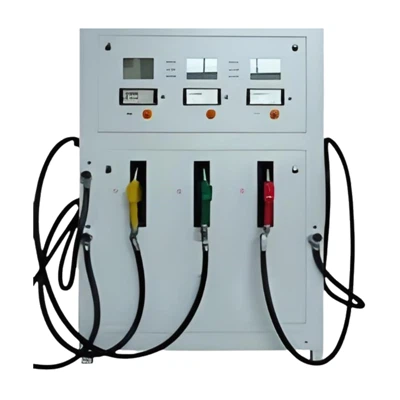
Hey there! As a supplier of Portable Diesel Stations, I often get asked about the noise level of these nifty machines. It's a crucial factor, especially if you're planning to use them in residential areas, events, or places where noise can be a real buzzkill. So, let's dive into what the noise level of a Portable Diesel Station is all about.
Understanding the Basics of Noise in Portable Diesel Stations
First off, it's important to know that the noise from a Portable Diesel Station comes from a few different places. The engine is the main culprit. Diesel engines are known for their characteristic rumble, which is a result of the combustion process. When diesel fuel is ignited under high pressure in the engine cylinders, it creates a series of small explosions. These explosions generate vibrations that are transferred to the engine block and other components, producing that familiar diesel sound.
Another source of noise is the cooling system. Portable Diesel Stations need to keep their engines cool to prevent overheating. The cooling fans that blow air over the engine can be quite noisy, especially when they're working hard to maintain the right temperature. Additionally, the exhaust system can contribute to the overall noise level. The hot gases escaping from the engine through the exhaust pipe create a whooshing sound.
Measuring Noise Levels
Noise is measured in decibels (dB). A decibel is a unit that represents the intensity of sound. To give you an idea of what different decibel levels mean, here are some common examples:
- A whisper is around 30 dB.
- Normal conversation is about 60 dB.
- A lawnmower can reach 90 dB.
- A rock concert can go up to 120 dB or more.
The noise level of a Portable Diesel Station can vary depending on several factors. The size and power of the engine play a big role. Generally, larger engines with higher power outputs tend to be noisier. The design of the station also matters. Some Portable Diesel Stations are built with noise-reducing features, such as soundproof enclosures or mufflers, which can significantly lower the noise level.
Typical Noise Levels of Portable Diesel Stations
On average, a small to medium-sized Portable Diesel Station with a power output of around 5 - 10 kilowatts (kW) can produce noise levels in the range of 70 - 80 dB at a distance of about 1 meter. This is comparable to the noise level of a busy street or a vacuum cleaner.
For larger Portable Diesel Stations with power outputs of 20 - 50 kW or more, the noise levels can be higher, typically ranging from 80 - 90 dB at the same distance. This is similar to the noise of a lawnmower or a motorcycle.
However, it's important to note that these are just general estimates. The actual noise level can vary depending on the specific model, the load on the station, and the operating conditions.
Factors Affecting Noise Levels
As mentioned earlier, the size and power of the engine are major factors in determining the noise level. But there are other things that can also have an impact.
The quality of the engine and its components can make a difference. A well-designed and properly maintained engine is likely to be quieter than one that's poorly made or in need of repair. For example, if the pistons in the engine are worn out or the valves are not properly adjusted, it can lead to increased noise.
The environment in which the Portable Diesel Station is used also matters. If the station is placed on a hard, flat surface, the sound waves can bounce off the surface and increase the overall noise level. On the other hand, if it's placed on a soft, absorbent surface like grass or rubber mats, it can help reduce the noise.
The load on the station is another important factor. When the station is operating at full capacity, the engine has to work harder, which can result in higher noise levels. If the load is light, the engine doesn't have to work as hard, and the noise level may be lower.
Noise Reduction Strategies
If you're concerned about the noise level of a Portable Diesel Station, there are several strategies you can use to reduce it.
One of the most effective ways is to choose a station with a soundproof enclosure. These enclosures are designed to absorb and block the sound waves, reducing the noise that escapes. Some enclosures are made of special materials that are specifically designed for noise reduction, such as fiberglass or acoustic foam.
Another option is to use a muffler. A muffler is a device that is installed in the exhaust system of the station. It works by reducing the pressure and velocity of the exhaust gases, which in turn reduces the noise. There are different types of mufflers available, and choosing the right one can make a significant difference in the noise level.
Proper maintenance of the station is also crucial. Regularly checking and servicing the engine, changing the oil and filters, and ensuring that all the components are in good working condition can help keep the noise level down.
Comparing with Other Portable Fuel Stations
It's also interesting to compare the noise level of Portable Diesel Stations with other types of portable fuel stations, such as Portable Petrol Station and Mobile Gasoline Station.
Generally, petrol and gasoline engines tend to be quieter than diesel engines. This is because the combustion process in petrol and gasoline engines is less violent than in diesel engines. However, the difference in noise level may not be very significant, especially if the petrol or gasoline station is of a similar size and power output.


Mobile Diesel Station have their own advantages, such as better fuel efficiency and higher torque, which make them a popular choice for many applications.
Why Choose Our Portable Diesel Stations
At our company, we understand the importance of noise reduction. That's why we offer a range of Portable Diesel Stations that are designed with noise-reducing features. Our stations are equipped with high-quality soundproof enclosures and mufflers, which help keep the noise level to a minimum.
We also use advanced engine technology to ensure that our engines are not only powerful but also quiet. Our engineers work hard to optimize the design of the engines and the overall station to reduce noise without sacrificing performance.
Contact Us for Purchase and Consultation
If you're in the market for a Portable Diesel Station and want to learn more about our products, or if you have any questions about the noise level or other features, don't hesitate to get in touch. We're here to help you find the right solution for your needs. Whether you need a small station for a residential backup or a large one for industrial use, we've got you covered.
References
- "Handbook of Noise Control" by Cyril M. Harris
- "Diesel Engine Fundamentals" by John B. Heywood