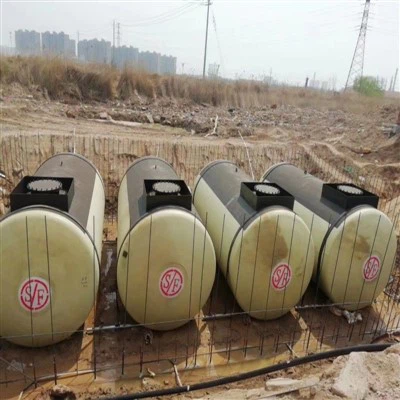
As a supplier of mini filling stations, I've witnessed firsthand the growing demand for these compact yet powerful fueling solutions. Mini filling stations are becoming increasingly popular due to their flexibility, cost - effectiveness, and ability to serve remote or low - traffic areas. In this blog, I'll delve into the technical standards that are crucial for a high - quality mini filling station.
1. Safety Standards
Safety is the top priority when it comes to any fueling facility, and mini filling stations are no exception.
Fire and Explosion Prevention
Mini filling stations must be equipped with proper fire - prevention systems. This includes installing fire - resistant materials in the construction of the station. For example, the storage tanks should be made of high - quality steel that can withstand high temperatures and prevent fuel leakage in case of a fire.
Automatic fire suppression systems are also essential. Sprinkler systems can be installed around the storage tanks and fueling areas. These systems are designed to detect heat and release water or fire - suppressing agents to extinguish flames quickly. Additionally, fire extinguishers should be readily available throughout the station, and employees should be trained on how to use them effectively.
To prevent explosions, the station must have proper ventilation systems. Fuel vapors can be highly explosive, so the ventilation should be designed to remove these vapors from the storage and fueling areas. For instance, vents on the storage tanks should be properly sized and positioned to allow for the safe release of vapors.
Leak Detection
Fuel leaks can pose a significant threat to the environment and safety. Mini filling stations should be equipped with advanced leak detection systems. These systems can use sensors to monitor the level of fuel in the storage tanks and detect any sudden drops, which may indicate a leak.
Underground storage tanks, if present, should have secondary containment systems. These are additional barriers around the primary tank that can catch any leaked fuel and prevent it from seeping into the ground. Regular inspections of the storage tanks and fuel lines are also necessary to ensure there are no signs of wear or damage that could lead to leaks.
2. Storage Tank Standards
The storage tanks in a mini filling station are the heart of the operation, and they must meet strict standards.
Tank Material and Construction
The most common material for storage tanks is steel. Steel tanks are strong, durable, and can be designed to hold different types of fuels, such as gasoline and diesel. The steel used should be of a high - grade quality, with a proper thickness to withstand the pressure of the stored fuel.
Tanks should be constructed in accordance with industry - recognized standards. Welds should be inspected for quality to ensure there are no weak points that could lead to leaks. Additionally, the tanks should be coated with a corrosion - resistant material to protect them from the effects of moisture and the fuel itself.
Tank Capacity
The capacity of the storage tanks in a mini filling station depends on the expected demand. For a small - scale station serving a rural area or a specific industrial site, a tank capacity of a few thousand liters may be sufficient. However, for stations in areas with higher traffic, larger tanks may be required.
It's important to note that the tank capacity should also be in line with local regulations. Some areas may have restrictions on the maximum amount of fuel that can be stored at a single location to minimize the risk in case of an accident.
3. Fuel Dispensing Equipment Standards
The fuel dispensing equipment is what directly interacts with the customers, and it must function accurately and safely.
Dispenser Accuracy
Fuel dispensers should be calibrated regularly to ensure accurate measurement of the fuel being dispensed. This is not only important for customer satisfaction but also for legal compliance. In many regions, there are strict regulations regarding the accuracy of fuel dispensers, and non - compliant stations can face significant fines.


Dispensers should be able to measure fuel to within a certain tolerance level. For example, in some countries, the allowable error in fuel dispensing is within ±0.3% of the actual volume.
Nozzle and Hose Design
The nozzles and hoses used in the fuel dispensers should be designed for easy and safe use. Nozzles should have a proper flow control mechanism to prevent over - filling of the vehicle's fuel tank. They should also be made of materials that are resistant to the corrosive effects of fuel.
Hoses should be flexible enough to reach different parts of the vehicle but also strong enough to withstand the pressure of the fuel flowing through them. Regular inspections of the nozzles and hoses are necessary to check for any signs of wear or damage.
4. Electrical and Control System Standards
The electrical and control systems in a mini filling station play a crucial role in its operation.
Electrical Safety
All electrical equipment in the station should be installed in accordance with electrical safety standards. This includes proper grounding of all electrical components to prevent electrical shocks. Electrical panels should be located in a safe and accessible area, and they should be protected from moisture and dust.
The wiring used in the station should be of a high - quality, fire - resistant type. Additionally, there should be proper circuit protection devices, such as fuses and circuit breakers, to prevent electrical overloads and short - circuits.
Control System Functionality
The control system of a mini filling station is responsible for managing the fuel dispensing, monitoring the storage tanks, and ensuring the overall safety of the operation. It should be user - friendly and reliable.
The control system should be able to display real - time information about the fuel levels in the tanks, the amount of fuel being dispensed, and any potential safety issues. It should also have the ability to shut down the fuel dispensing in case of an emergency, such as a fire or a major leak.
5. Environmental Standards
Mini filling stations have a responsibility to minimize their impact on the environment.
Spill Containment
In addition to the leak detection and secondary containment systems for the storage tanks, mini filling stations should have spill containment measures at the fueling areas. This can include spill trays or absorbent materials that can quickly soak up any spilled fuel.
Regular cleaning and maintenance of the fueling areas are also necessary to prevent the accumulation of fuel residues, which can contaminate the soil and water.
Air Quality
As mentioned earlier, proper ventilation systems are essential to control the release of fuel vapors into the atmosphere. In addition, some stations may be required to install vapor recovery systems. These systems capture the fuel vapors that are displaced when fuel is being pumped into a vehicle's tank and return them to the storage tank.
This not only helps to reduce air pollution but also conserves the fuel, making the operation more cost - effective.
6. Compliance with Local Regulations
Finally, a mini filling station must comply with all local regulations. These regulations can vary from one region to another and may cover aspects such as building codes, safety requirements, and environmental protection.
Before setting up a mini filling station, it's crucial to consult with local authorities to understand all the necessary permits and approvals. Failure to comply with local regulations can result in fines, closure of the station, or even legal action.
If you're interested in Mini Petrol Station or Mini Diesel Station solutions that meet all these technical standards, I encourage you to reach out to me. I'm more than happy to discuss your specific needs and provide you with a customized solution for your mini filling station requirements. Whether you're looking to serve a small community or a large industrial complex, I can offer high - quality products and reliable support.
References
- American Petroleum Institute (API) Standards
- National Fire Protection Association (NFPA) Codes
- Local government regulations on fueling stations