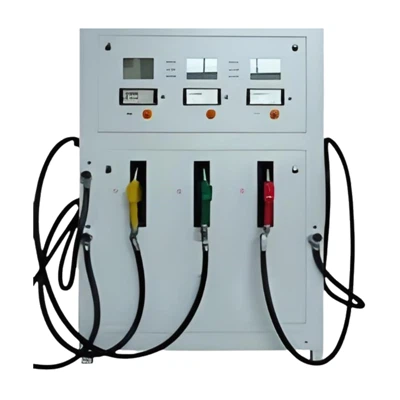
Self-bunded fuel tanks are a crucial component in various industries, providing a safe and efficient way to store fuels such as petrol and diesel. As a supplier of self-bunded fuel tanks, I understand the importance of ensuring that our products meet all the necessary environmental regulations. In this blog post, I will discuss the key environmental regulations that self-bunded fuel tanks need to meet, highlighting the significance of compliance for both the environment and our customers.
Leakage Prevention and Containment
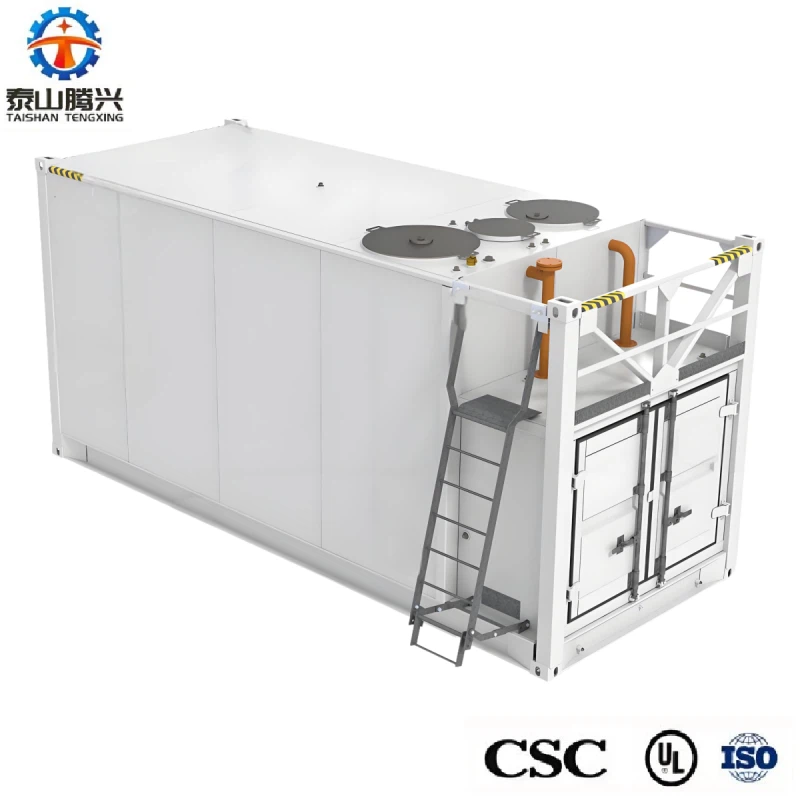
One of the primary environmental concerns associated with fuel storage is the risk of leakage. Fuel spills can have devastating effects on the environment, contaminating soil, water sources, and harming wildlife. To address this issue, self-bunded fuel tanks are designed with a secondary containment system. This outer shell, or "bund," acts as a barrier to prevent fuel from escaping into the environment in the event of a primary tank failure.
Regulations typically require that the secondary containment system has sufficient capacity to hold a specified volume of fuel, usually equivalent to 110% to 120% of the primary tank's capacity. This ensures that even if the primary tank were to rupture completely, all the fuel would be contained within the bund, minimizing the risk of environmental contamination. For example, in many regions, the Occupational Safety and Health Administration (OSHA) and the Environmental Protection Agency (EPA) have strict guidelines regarding the design and construction of secondary containment systems for fuel storage tanks.
In addition to capacity requirements, the bund must also be constructed from materials that are resistant to corrosion and the chemicals present in the fuel. This helps to prevent the bund itself from failing over time, ensuring long-term protection against fuel leaks. At our company, we use high-quality materials in the construction of our Self Bunded Petrol Fuel Tank and Self Bunded Diesel Tank to meet these stringent requirements.
Vapor Emission Control
Another important aspect of environmental regulation for self-bunded fuel tanks is the control of vapor emissions. Fuels such as petrol and diesel are volatile substances that can release harmful vapors into the atmosphere. These vapors contribute to air pollution, including the formation of smog and the release of greenhouse gases.
To reduce vapor emissions, self-bunded fuel tanks often incorporate features such as vapor recovery systems. These systems capture the vapors that are released during the filling and dispensing of fuel and return them to the tank or a storage vessel for later use or disposal. In some areas, regulations require that fuel storage facilities implement vapor recovery systems to meet air quality standards.
Furthermore, the tanks themselves must be designed to minimize the escape of vapors. This may involve the use of tight-fitting lids, gaskets, and seals to prevent vapor leakage. Our Self Bunded Diesel Fuel Tank is engineered with advanced sealing technologies to ensure that vapor emissions are kept to a minimum, helping our customers comply with environmental regulations.
Spill Response and Cleanup
Even with the best preventive measures in place, there is always a risk of a fuel spill. Therefore, environmental regulations also require that fuel storage facilities have a spill response plan in place. This plan should outline the steps to be taken in the event of a spill, including the notification of relevant authorities, the containment and cleanup of the spill, and the disposal of the contaminated materials.
Self-bunded fuel tanks should be equipped with spill containment equipment, such as absorbent materials, spill kits, and emergency shut-off valves. These tools are essential for quickly responding to a spill and minimizing its impact on the environment. Additionally, regular training and drills should be conducted to ensure that employees are familiar with the spill response plan and can act effectively in an emergency.
As a supplier, we provide our customers with guidance on developing and implementing a comprehensive spill response plan. We also offer spill containment products and training services to help them meet their regulatory obligations.
Regular Inspections and Maintenance
To ensure the continued compliance of self-bunded fuel tanks with environmental regulations, regular inspections and maintenance are essential. Inspections should be conducted at specified intervals to check for signs of damage, corrosion, or leakage in both the primary tank and the secondary containment system. Any issues identified during the inspection should be promptly addressed to prevent potential environmental problems.
Maintenance tasks may include cleaning the tank, checking and replacing gaskets and seals, and testing the integrity of the vapor recovery system. By performing regular maintenance, the lifespan of the fuel tank can be extended, and the risk of environmental incidents can be reduced.
We offer inspection and maintenance services to our customers, ensuring that their self-bunded fuel tanks are in good working condition and meet all the necessary environmental regulations. Our team of experts is trained to identify and address any potential issues, providing peace of mind for our customers.
Regulatory Compliance and Certification
Meeting environmental regulations is not only a legal requirement but also a matter of corporate social responsibility. By ensuring that our self-bunded fuel tanks comply with all relevant regulations, we are helping to protect the environment and the health and safety of our customers and the communities in which they operate.
Many regions have specific certification programs for fuel storage tanks. These programs typically involve an independent assessment of the tank's design, construction, and performance to ensure that it meets the required standards. Our products are designed and manufactured to meet or exceed these standards, and we can provide our customers with the necessary certification documentation to demonstrate compliance.
Conclusion
As a supplier of self-bunded fuel tanks, we are committed to providing our customers with products that meet the highest environmental standards. By understanding and complying with the key environmental regulations, we can help our customers protect the environment, avoid costly fines and penalties, and ensure the safe and efficient storage of their fuels.
If you are in the market for a self-bunded fuel tank, I encourage you to contact us to discuss your specific requirements. Our team of experts can provide you with detailed information about our products, including their compliance with environmental regulations, and help you choose the right solution for your needs. We look forward to working with you to ensure that your fuel storage needs are met in a safe and environmentally responsible manner.

References
- Occupational Safety and Health Administration (OSHA). (Year). [Relevant OSHA standard]. Retrieved from [OSHA website].
- Environmental Protection Agency (EPA). (Year). [Relevant EPA regulation]. Retrieved from [EPA website].