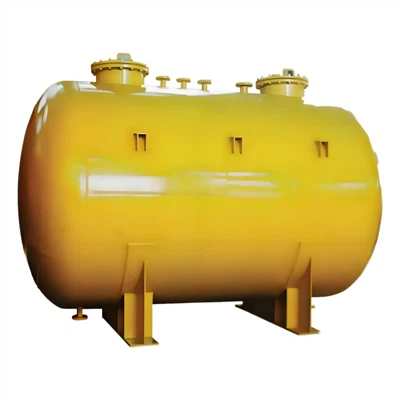
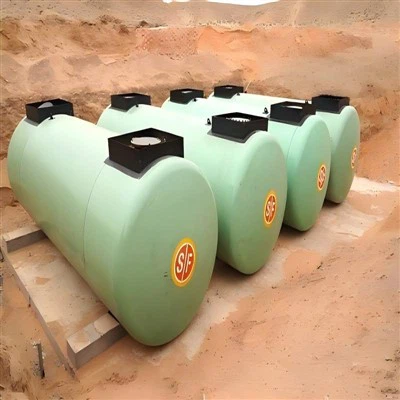
A self-bunded fuel tank is a double-walled storage tank designed to contain fuel safely and prevent leaks and spills. As a supplier of self-bunded fuel tanks, I've witnessed firsthand the numerous advantages they offer. In this blog post, I'll delve into these benefits and explain why self-bunded fuel tanks are an excellent choice for various applications.
Enhanced Safety
One of the most significant advantages of self-bunded fuel tanks is their enhanced safety features. The double-wall design provides an extra layer of protection against leaks and spills. The inner tank holds the fuel, while the outer tank acts as a secondary containment system. If the inner tank develops a leak, the outer tank will catch the fuel, preventing it from seeping into the environment. This design significantly reduces the risk of soil and groundwater contamination, which can have severe environmental and health consequences.

For example, in industrial settings where large quantities of fuel are stored, a single leak can lead to extensive pollution. Self-bunded fuel tanks mitigate this risk by containing any potential spills within the outer tank. This not only protects the environment but also helps companies comply with strict environmental regulations.
Ease of Installation
Self-bunded fuel tanks are relatively easy to install compared to traditional fuel storage systems. They are prefabricated and come as a complete unit, which means they can be quickly and easily transported to the installation site. This reduces installation time and labor costs, making them a cost-effective option for businesses.
Moreover, self-bunded fuel tanks do not require extensive civil works or complex foundation preparations. They can be installed on a flat, stable surface, such as a concrete pad. This simplicity of installation makes them suitable for a wide range of locations, including remote sites where access to construction equipment and skilled labor may be limited.
Durability
Self-bunded fuel tanks are built to last. They are typically made from high-quality materials, such as steel or polyethylene, which are resistant to corrosion, rust, and other forms of damage. This durability ensures that the tanks can withstand harsh environmental conditions, including extreme temperatures, humidity, and exposure to chemicals.
In addition, the double-wall design provides an extra layer of protection against physical damage. The outer tank acts as a shield, absorbing impacts and preventing damage to the inner tank. This makes self-bunded fuel tanks ideal for use in rugged environments, such as construction sites, mines, and agricultural fields.
Cost-Effectiveness
While the initial cost of a self-bunded fuel tank may be higher than that of a traditional single-wall tank, the long-term cost savings are significant. The reduced risk of leaks and spills means that businesses are less likely to incur costly environmental cleanup expenses. Additionally, the durability of self-bunded fuel tanks reduces the need for frequent replacements, saving money on maintenance and replacement costs.
Furthermore, self-bunded fuel tanks can help businesses save on insurance premiums. Insurance companies recognize the enhanced safety features of these tanks and often offer lower rates for businesses that use them. This can result in substantial cost savings over the life of the tank.
Versatility
Self-bunded fuel tanks are available in a variety of sizes and configurations to meet the specific needs of different applications. Whether you need to store diesel, petrol, or other types of fuel, there is a self-bunded fuel tank that is suitable for your requirements.
For example, Self Bunded Diesel Fuel Tank are commonly used in industrial and commercial settings, such as factories, warehouses, and transportation fleets. These tanks are designed to store large quantities of diesel fuel safely and efficiently.
On the other hand, Self Bunded Petrol Fuel Tank and Self Bunded Petrol Tank are often used in smaller applications, such as gas stations, convenience stores, and agricultural operations. These tanks are available in a range of sizes, from small portable tanks to large stationary tanks.
Compliance with Regulations
Self-bunded fuel tanks are designed to meet or exceed strict environmental and safety regulations. They are tested and certified to ensure that they comply with industry standards, such as the American Petroleum Institute (API) standards and the National Fire Protection Association (NFPA) codes.
By using self-bunded fuel tanks, businesses can demonstrate their commitment to environmental protection and safety. This can help them avoid costly fines and penalties for non-compliance with regulations. Additionally, it can enhance their reputation as responsible corporate citizens, which can be beneficial for business growth and development.
Monitoring and Maintenance
Self-bunded fuel tanks are equipped with monitoring systems that allow businesses to keep track of fuel levels, temperature, and other important parameters. These systems can help detect potential problems early, allowing for timely maintenance and repairs.

Regular maintenance is essential to ensure the proper functioning of self-bunded fuel tanks. This includes inspecting the tanks for signs of damage, checking the integrity of the double-wall design, and testing the monitoring systems. By following a regular maintenance schedule, businesses can extend the life of their tanks and prevent costly breakdowns.
Conclusion
In conclusion, self-bunded fuel tanks offer numerous advantages over traditional single-wall tanks. Their enhanced safety features, ease of installation, durability, cost-effectiveness, versatility, compliance with regulations, and monitoring and maintenance capabilities make them an excellent choice for various applications.
If you're in the market for a fuel storage solution, I encourage you to consider a self-bunded fuel tank. Our company offers a wide range of self-bunded fuel tanks to meet your specific needs. Contact us today to learn more about our products and services and to discuss your fuel storage requirements. We look forward to helping you find the perfect fuel storage solution for your business.
References
- American Petroleum Institute (API). (Year). API Standards for Fuel Storage Tanks.
- National Fire Protection Association (NFPA). (Year). NFPA Codes for Fuel Storage and Handling.