Hey there! I'm stoked to chat with you about what a mini filling station is. As a supplier of these nifty little stations, I've got a ton of hands - on experience and knowledge to share.
So, let's start from the basics. A mini filling station is, well, exactly what it sounds like - a smaller - scale version of a traditional gas or petrol station. It's designed to provide fuel, usually gasoline or diesel, in a more compact and often more mobile or flexible setup.
The Basics of Mini Filling Stations
Mini filling stations are a game - changer in the fuel - dispensing world. Unlike the big, permanent gas stations you see on every corner, mini filling stations are more adaptable. They can be set up in areas where a full - sized station just isn't practical. Think of remote construction sites, small rural communities, or events like fairs and festivals.
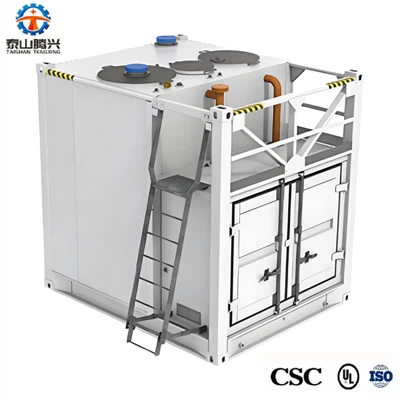
These stations come in different shapes and sizes. Some are portable, which means they can be easily moved from one location to another. You can load them onto a truck and transport them to wherever the fuel is needed. Others are semi - permanent, set up in a specific location for a longer period but still with a relatively small footprint compared to a regular gas station.
Types of Mini Filling Stations
There are mainly two types that I deal with as a supplier: Mini Petrol Station and Mini Diesel Station.
Mini Petrol Station
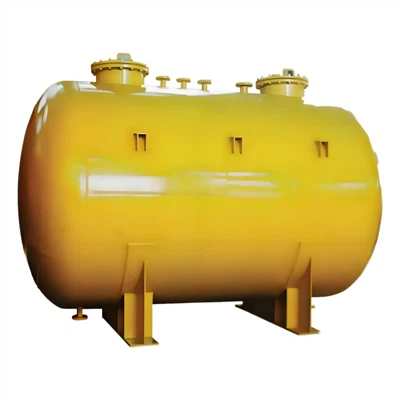
A mini petrol station is all about dispensing gasoline. It's great for smaller vehicles like cars, motorcycles, and small boats. These stations typically have a storage tank for petrol, a pump, and a dispenser. The storage capacity can vary, but it's usually smaller than what you'd find at a full - scale gas station. This makes them more suitable for areas with lower fuel demand.
The pumps at a mini petrol station are designed to be user - friendly. They can measure the amount of fuel dispensed accurately, and many come with features like automatic shut - off when the tank is full. This not only makes it convenient for the user but also helps prevent spills and waste.
Mini Diesel Station
On the other hand, a mini diesel station is focused on dispensing diesel fuel. Diesel is commonly used in larger vehicles such as trucks, buses, and some heavy machinery. A mini diesel station is a great solution for construction sites, farms, or transportation depots where there are a lot of diesel - powered vehicles.
Just like the mini petrol station, it has a storage tank, a pump, and a dispenser. The design of the dispenser is often a bit different to handle the higher viscosity of diesel fuel. And since diesel is used in more industrial settings, these stations may have additional safety features to meet the specific requirements of those environments.


Advantages of Mini Filling Stations
Cost - Effective
One of the biggest advantages of mini filling stations is their cost - effectiveness. Building a full - scale gas station is a huge investment. You need to buy a large piece of land, construct a building, and install all the necessary equipment. In contrast, a mini filling station is much cheaper to set up. You can get a basic model up and running for a fraction of the cost of a traditional station.
Flexibility
Flexibility is another key benefit. As I mentioned earlier, they can be set up in a variety of locations. If you have a short - term project in a remote area, you can bring in a portable mini filling station and then move it to another site when the project is done. This means you don't have to rely on finding a nearby gas station, which could be miles away and inconvenient.
Quick Setup
Setting up a mini filling station is also much quicker than building a full - scale one. You can have a mini station operational in a matter of days, compared to months or even years for a large gas station. This is especially useful for urgent projects or events where you need to have fuel available right away.
How Mini Filling Stations Work
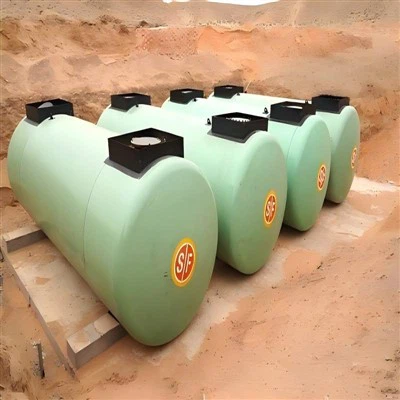
The basic operation of a mini filling station is quite simple. First, the fuel is stored in the storage tank. The tank is usually made of high - quality materials to ensure it's safe and leak - proof.
When a customer wants to fill up their vehicle, they connect the dispenser hose to the vehicle's fuel tank. Then, they start the pump, which draws the fuel from the tank and into the dispenser. The dispenser measures the amount of fuel being dispensed and displays the quantity and the cost on a screen.
Once the desired amount of fuel has been dispensed, the pump can be stopped either manually or automatically. The customer then disconnects the hose, and they're good to go.
Safety Considerations
Safety is of utmost importance when it comes to mini filling stations. Since they deal with highly flammable fuels, there are strict safety regulations that need to be followed.
The storage tanks are designed with multiple layers of protection. They have anti - corrosion coatings to prevent rust and leaks. There are also pressure relief valves to prevent over - pressurization.
The pumps and dispensers are also built to be safe. They are grounded to prevent static electricity from causing a spark, which could lead to a fire or explosion. And many stations have emergency shut - off switches in case of an accident.
Who Can Benefit from Mini Filling Stations
Construction Companies
Construction companies are one of the biggest users of mini filling stations. On a construction site, there are often a lot of vehicles and heavy machinery that need to be fueled regularly. Having a mini filling station on - site means that the workers don't have to waste time driving to a gas station, which can be far away. This improves efficiency and keeps the project on schedule.
Farmers
Farmers also find mini filling stations very useful. They have a lot of diesel - powered equipment like tractors, harvesters, and trucks. With a mini diesel station on the farm, they can fuel their equipment whenever they need to, without having to make long trips to the nearest gas station.
Event Organizers
Event organizers for festivals, fairs, and large outdoor gatherings can also benefit from mini filling stations. There are usually a lot of vehicles coming in and out of the event area, including food trucks, security vehicles, and emergency response vehicles. A mini filling station can ensure that these vehicles have access to fuel during the event.
Maintenance of Mini Filling Stations
Regular maintenance is crucial to keep a mini filling station running smoothly. The storage tank needs to be inspected regularly for any signs of corrosion or leaks. The pumps and dispensers should be checked for proper operation, and the filters need to be replaced as needed.
It's also important to keep the station clean. Spills should be cleaned up immediately to prevent any safety hazards. And all the safety equipment, such as fire extinguishers and emergency shut - off switches, should be tested regularly to make sure they're in working order.
Why Choose Our Mini Filling Stations
As a supplier, I can tell you that our mini filling stations are top - notch. We use the highest quality materials in the construction of our stations. Our storage tanks are made of durable steel with advanced anti - corrosion coatings. The pumps and dispensers are from leading manufacturers, ensuring accurate measurement and reliable performance.
We also offer excellent customer service. If you have any questions or need help with installation or maintenance, our team of experts is always ready to assist you. And we can customize our stations to meet your specific needs. Whether you need a larger storage capacity or additional safety features, we can make it happen.
Contact for Procurement
If you're interested in purchasing a mini filling station, I'd love to hear from you. Mini filling stations are a great investment for many different industries, offering cost - effectiveness, flexibility, and convenience. Whether you're a construction company, a farmer, or an event organizer, a mini filling station can make your operations run more smoothly. So, don't hesitate to reach out and start the procurement process.
References
- Industry reports on fuel dispensing technology
- Safety regulations for fuel storage and dispensing
- Customer testimonials and case studies