What is the Best Location for an Underground Petrol Tank?
As a supplier of Underground Petrol Tank, I've encountered numerous inquiries regarding the optimal placement of these essential storage units. Selecting the right location for an underground petrol tank is a critical decision that involves a careful balance of safety, regulatory compliance, and operational efficiency. In this blog, I'll delve into the key factors to consider when determining the best spot for your underground petrol tank.
Safety First: Distance from Buildings and Public Areas
One of the primary concerns when installing an underground petrol tank is ensuring the safety of nearby buildings, public areas, and the environment. Petrol is a highly flammable substance, and any potential leak or spill could pose a significant risk. Therefore, it's crucial to maintain a safe distance between the tank and any structures or areas where people gather.
Local regulations typically specify minimum setback distances from buildings, property lines, water sources, and public thoroughfares. These distances are designed to minimize the risk of fire, explosion, and contamination in the event of a tank failure. For example, in many areas, the tank must be located at least 10 feet away from any building and 50 feet away from a well or other water source.
In addition to regulatory requirements, it's also important to consider the potential impact of the tank on the surrounding environment. For instance, placing the tank near a wetland or other sensitive ecosystem could pose a risk of contamination if a leak were to occur. Therefore, it's advisable to conduct a thorough environmental assessment of the site before installing the tank.
Accessibility for Installation and Maintenance
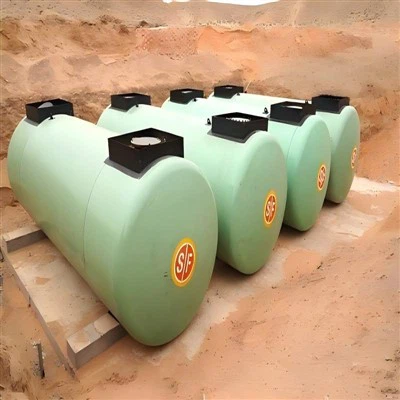
Another important factor to consider when choosing a location for an underground petrol tank is accessibility for installation and maintenance. The tank must be easily accessible for delivery, installation, and periodic inspections and maintenance. This includes ensuring that there is sufficient space for the tank to be lowered into the excavation and that there are no obstacles that could impede access to the tank.
In addition, the location of the tank should be convenient for fuel delivery trucks. The delivery point should be easily accessible from the road and should have sufficient space for the truck to maneuver safely. It's also important to consider the slope of the site to ensure that the fuel can be delivered smoothly and without spillage.
Soil Conditions and Drainage
The soil conditions at the site are also a critical factor in determining the suitability of a location for an underground petrol tank. The soil must be stable and able to support the weight of the tank and the fuel it contains. Soft or unstable soil can cause the tank to shift or settle, which could lead to structural damage and potential leaks.
In addition, the site should have adequate drainage to prevent water from accumulating around the tank. Standing water can cause corrosion and other damage to the tank, which could compromise its integrity and lead to leaks. Therefore, it's important to ensure that the site has a natural slope or that a drainage system is installed to direct water away from the tank.


Proximity to Fuel Dispensing Equipment
The location of the underground petrol tank should also be considered in relation to the fuel dispensing equipment. The tank should be located as close as possible to the dispensers to minimize the length of the fuel lines and reduce the risk of pressure loss and fuel leakage. However, it's important to ensure that there is sufficient space between the tank and the dispensers to allow for proper installation and maintenance.
In addition, the location of the tank should be convenient for the operators of the fueling station. The tank should be easily accessible for monitoring and maintenance, and the dispensers should be located in a visible and accessible location for customers.
Regulatory Compliance
Finally, it's essential to ensure that the location of the underground petrol tank complies with all applicable local, state, and federal regulations. This includes obtaining the necessary permits and approvals from the relevant authorities before installing the tank. Failure to comply with these regulations can result in significant fines and penalties, as well as potential legal liability in the event of a tank failure.
In addition to regulatory requirements, it's also important to follow industry best practices and standards when installing and maintaining the tank. This includes using high-quality materials and equipment, following proper installation procedures, and conducting regular inspections and maintenance to ensure the integrity of the tank.
Conclusion
Choosing the best location for an underground petrol tank is a complex decision that requires careful consideration of a variety of factors. By taking into account safety, accessibility, soil conditions, drainage, proximity to fuel dispensing equipment, and regulatory compliance, you can ensure that your tank is installed in a location that is safe, efficient, and compliant with all applicable regulations.
If you're in the market for an Underground Petrol Tank, Underground Diesel Tank, or Underground Gasoline Tank, I encourage you to contact us to discuss your specific needs and requirements. Our team of experts can provide you with the guidance and support you need to choose the right tank and location for your application.
References
- National Fire Protection Association. (2021). NFPA 30: Flammable and Combustible Liquids Code.
- Environmental Protection Agency. (2021). Underground Storage Tanks Regulations.
- American Petroleum Institute. (2021). API 650: Welded Steel Tanks for Oil Storage.