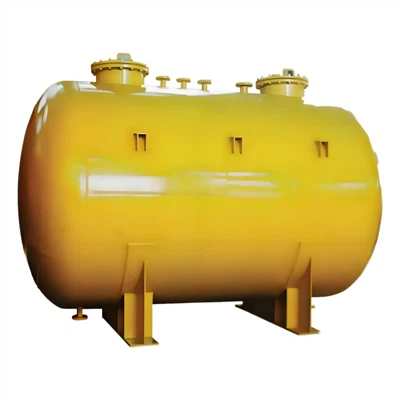
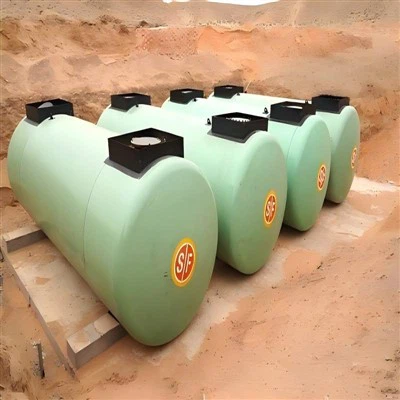
Relocating an underground petrol tank is a complex process that involves multiple aspects and incurs various costs. As a supplier of Underground Petrol Tanks, I have witnessed firsthand the intricacies and financial implications associated with such relocations. In this blog, I will delve into the factors that contribute to the cost of relocating an underground petrol tank and provide a comprehensive overview for those considering this undertaking.
1. Pre - Relocation Assessment Costs
Before any physical work can begin on relocating an underground petrol tank, a thorough assessment is essential. This includes a detailed site survey to understand the current location of the tank, its condition, and the surrounding environment.
- Geotechnical Surveys: Geotechnical engineers are often hired to assess the soil conditions around the tank. The type of soil, its stability, and the presence of any groundwater can significantly impact the relocation process. These surveys can cost anywhere from a few hundred to several thousand dollars, depending on the complexity of the site. For example, if the soil is highly unstable or there is a high water table, additional measures will be required during the relocation, which will increase the overall cost.
- Tank Condition Assessment: A professional inspection of the tank is necessary to determine its structural integrity. This may involve non - destructive testing methods such as ultrasonic testing or visual inspections. If the tank shows signs of corrosion or damage, it may need to be repaired or replaced before relocation. The cost of tank inspection can range from a few hundred dollars to over a thousand, depending on the size and type of the tank.
2. Permitting and Regulatory Costs
Relocating an underground petrol tank is subject to strict regulations and permitting requirements. These are in place to ensure environmental safety and compliance with local laws.
- Permit Fees: Different regions have different permit requirements and associated fees. Obtaining the necessary permits for tank relocation can cost anywhere from a few hundred to several thousand dollars. These fees cover the administrative costs of processing the application, as well as the review and approval process by local authorities.
- Environmental Compliance Costs: There are often environmental regulations related to the handling of petrol and the prevention of soil and groundwater contamination during the relocation process. This may involve measures such as spill prevention and response plans, as well as monitoring of the surrounding environment. Compliance with these regulations can add a significant amount to the overall cost of the project.
3. Excavation and Removal Costs
The physical process of excavating and removing the underground petrol tank is one of the most significant cost factors.
- Excavation Equipment and Labor: Specialized excavation equipment is required to safely dig up the tank. This includes excavators, backhoes, and cranes. The cost of renting or purchasing this equipment, as well as hiring skilled operators, can be substantial. Labor costs for excavation can vary depending on the location and the complexity of the job, but it is typically a major portion of the overall cost.
- Tank Disposal or Reuse: Once the tank is removed, it needs to be either disposed of properly or reused. If the tank is no longer in a suitable condition for reuse, it must be disposed of in accordance with environmental regulations. This may involve transporting the tank to a specialized disposal facility, which incurs additional costs. On the other hand, if the tank can be reused, there may be costs associated with cleaning and refurbishing it.
4. Installation of the New Tank
After the old tank is removed, a new tank needs to be installed at the new location.
- Tank Purchase: As an Underground Petrol Tank supplier, I can attest to the fact that the cost of a new tank depends on its size, material, and features. For example, a larger tank with advanced corrosion - resistant coatings will be more expensive than a smaller, basic model. The price range for underground petrol tanks can vary from a few thousand to tens of thousands of dollars.
- Installation Labor and Equipment: Similar to the excavation process, installing the new tank requires specialized equipment and skilled labor. The installation process involves positioning the tank correctly, connecting the necessary pipes and fittings, and ensuring proper ventilation. The cost of installation labor and equipment can be comparable to the excavation costs.
5. Backfilling and Restoration Costs
Once the new tank is installed, the excavation site needs to be backfilled and restored to its original condition.


- Backfilling Materials: Suitable backfilling materials are required to provide support to the tank and prevent settling. The cost of these materials depends on the quantity needed and the type of material used. For example, using high - quality crushed stone for backfilling will be more expensive than using regular soil.
- Landscaping and Restoration: The area around the tank site may need to be landscaped and restored to match the surrounding environment. This can include reseeding grass, replanting shrubs, and repairing any damaged pavements. The cost of landscaping and restoration can vary depending on the extent of the work required.
6. Contingency Costs
It is always advisable to set aside a contingency fund for unexpected expenses that may arise during the relocation process.
- Unforeseen Obstacles: During excavation, unforeseen obstacles such as buried utilities, rock formations, or archaeological artifacts may be encountered. Dealing with these obstacles can significantly increase the cost and delay the project. Having a contingency fund can help cover these unexpected expenses.
- Cost Escalation: Factors such as inflation, changes in labor rates, or fluctuations in the cost of materials can also lead to cost escalation during the project. A contingency fund can provide a buffer against these uncertainties.
Conclusion
Relocating an underground petrol tank is a costly and complex process that involves multiple factors. The total cost can range from tens of thousands to hundreds of thousands of dollars, depending on the specific circumstances of the project. As a supplier of Underground Petrol Tanks, Underground Gasoline Tanks, and Underground Diesel Tanks, I understand the importance of providing high - quality products and accurate cost estimates.
If you are considering relocating an underground petrol tank, I encourage you to contact me for a detailed consultation. We can discuss your specific requirements, provide you with a customized cost estimate, and guide you through the entire process. Our team of experts is dedicated to ensuring a smooth and cost - effective relocation project.
References
- "Underground Storage Tank Regulations and Guidelines" - Local Environmental Protection Agency
- "Cost Estimation for Underground Tank Relocation Projects" - Industry Research Report
- "Best Practices in Underground Tank Installation and Relocation" - Professional Engineering Journal