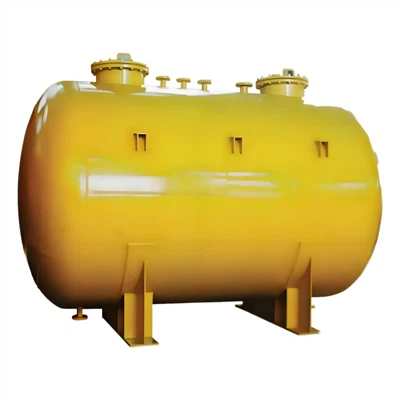
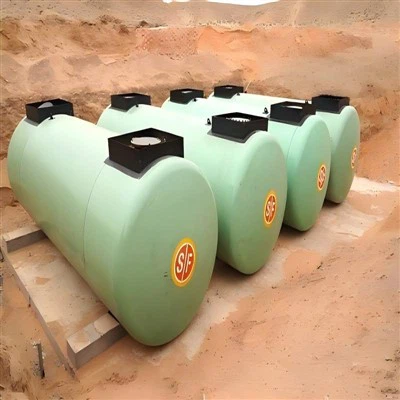
A portable diesel station is a versatile and practical solution for various fueling needs, especially in remote locations or areas where traditional fueling infrastructure is lacking. As a supplier of portable diesel stations, I often receive inquiries about the starting methods of these stations. In this blog post, I will delve into the different starting methods of a portable diesel station, providing you with a comprehensive understanding of how these systems operate.
Understanding the Basics of a Portable Diesel Station
Before we explore the starting methods, it's essential to understand the basic components of a portable diesel station. A typical portable diesel station consists of a fuel tank, a pumping system, a dispensing nozzle, and a control panel. The fuel tank stores the diesel fuel, while the pumping system is responsible for transferring the fuel from the tank to the dispensing nozzle. The control panel allows the operator to monitor and control the fueling process.
Manual Starting Method
The manual starting method is the most straightforward way to start a portable diesel station. This method is commonly used in smaller, less complex portable diesel stations. Here's a step-by-step guide on how to start a portable diesel station using the manual starting method:
- Check the Fuel Level: Before starting the station, ensure that the fuel tank has an adequate amount of diesel fuel. Low fuel levels can cause the pumping system to run dry, leading to damage.
- Inspect the Pump and Hoses: Check the pumping system and hoses for any signs of damage or leaks. Make sure all connections are secure.
- Turn on the Power: If the portable diesel station is powered by an electric motor, switch on the power supply. If it is powered by a gasoline or diesel engine, start the engine following the manufacturer's instructions.
- Prime the Pump: Some pumps require priming to remove air from the system and ensure proper fuel flow. Follow the priming procedure outlined in the station's manual.
- Open the Valve: Open the valve on the fuel tank to allow diesel fuel to flow into the pumping system.
- Start the Pump: Once the pump is primed and the valve is open, start the pumping system. You can usually do this by pressing a start button on the control panel.
- Monitor the Fueling Process: Keep an eye on the fueling process to ensure that everything is working correctly. Check the fuel level in the tank and the flow rate of the fuel.
The manual starting method is simple and reliable, but it requires the operator to be physically present to start and monitor the station.
Automatic Starting Method
For larger or more advanced portable diesel stations, an automatic starting method may be available. This method allows the station to start and operate without manual intervention. Here's how the automatic starting method works:
- Program the Control Panel: The control panel of the portable diesel station can be programmed to start the pumping system at a specific time or when certain conditions are met. For example, you can set the station to start fueling at a particular time each day or when the fuel level in a storage tank reaches a certain level.
- Connect to a Power Source: Ensure that the portable diesel station is connected to a reliable power source, such as an electrical outlet or a generator.
- Set the Fueling Parameters: Use the control panel to set the fueling parameters, such as the fuel flow rate and the total amount of fuel to be dispensed.
- Activate the Automatic Start Function: Once the control panel is programmed and the fueling parameters are set, activate the automatic start function. The station will then start the pumping system at the designated time or when the specified conditions are met.
The automatic starting method offers convenience and efficiency, especially for applications where regular fueling is required. It also reduces the risk of human error and ensures consistent fueling performance.
Remote Starting Method
In some cases, it may be necessary to start a portable diesel station from a remote location. This is particularly useful for applications where the station is located in a hazardous or inaccessible area. The remote starting method allows the operator to start and control the station using a remote control device or a mobile app. Here's how the remote starting method works:


- Install a Remote Control System: The portable diesel station needs to be equipped with a remote control system that allows it to be started and controlled from a distance. This system typically consists of a receiver unit installed on the station and a transmitter unit that the operator uses to send commands.
- Pair the Remote Control Device: Pair the remote control device with the receiver unit on the portable diesel station. This usually involves following a simple pairing procedure outlined in the system's manual.
- Send the Start Command: Once the remote control device is paired with the receiver unit, the operator can send a start command to the station. The station will then start the pumping system and begin the fueling process.
The remote starting method provides flexibility and convenience, allowing the operator to start and control the portable diesel station from anywhere within the range of the remote control system.
Considerations for Starting a Portable Diesel Station
When starting a portable diesel station, there are several important considerations to keep in mind:
- Safety: Always follow the safety guidelines provided by the manufacturer when starting and operating the portable diesel station. Wear appropriate personal protective equipment, such as gloves and safety glasses, and ensure that the area around the station is well-ventilated.
- Maintenance: Regular maintenance is essential to ensure the proper functioning of the portable diesel station. Follow the maintenance schedule outlined in the station's manual, including oil changes, filter replacements, and inspections.
- Environmental Conditions: Consider the environmental conditions in which the portable diesel station will be operating. Extreme temperatures, humidity, and dust can affect the performance of the station. Make sure the station is designed to operate in the specific environmental conditions of your application.
- Compliance: Ensure that the portable diesel station complies with all relevant safety and environmental regulations. This includes regulations related to fuel storage, handling, and dispensing.
Conclusion
In conclusion, the starting method of a portable diesel station depends on its size, complexity, and intended application. The manual starting method is simple and reliable, while the automatic starting method offers convenience and efficiency. The remote starting method provides flexibility and allows the station to be controlled from a distance. As a supplier of portable diesel stations, we offer a range of starting options to meet the diverse needs of our customers.
If you are interested in purchasing a portable diesel station or have any questions about the starting methods or other aspects of our products, please do not hesitate to contact us for further discussion and negotiation. We are committed to providing high-quality products and excellent customer service.
For more information about our mobile fuel stations, you can visit the following links:
Mobile Filling Station
Mobile Gasoline Station
Mobile Diesel Station
References
- Manufacturer's manuals for portable diesel stations
- Industry standards and regulations related to fuel storage and dispensing