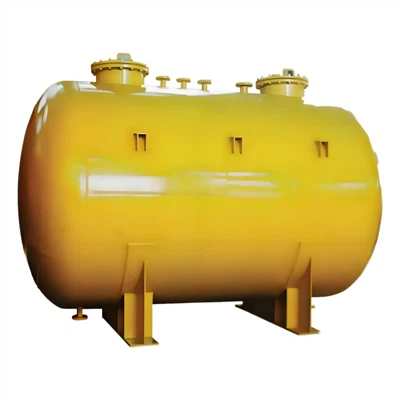
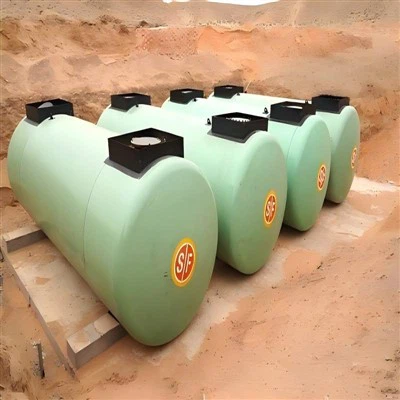
Hey there! I'm a supplier of Mobile Gasoline Stations, and today I'm gonna chat about the safety measures these stations take. It's super important, you know, 'cause dealing with gasoline is no joke.
1. Structural and Design Safety
First off, let's talk about the design of these mobile gasoline stations. They're built tough! The tanks that hold the gasoline are made from high - quality, corrosion - resistant materials. This is crucial because gasoline is a corrosive substance, and if the tanks were to corrode, it could lead to leaks. And we all know how dangerous gasoline leaks can be - they can cause fires, explosions, and environmental damage.
The structure of the mobile station is also engineered to withstand various environmental conditions. Whether it's extreme heat, cold, or even strong winds, the station needs to stay intact. For example, the frame is often reinforced to prevent it from collapsing during transportation or in adverse weather.
2. Leak Detection Systems
Leak detection is a top priority. Mobile gasoline stations are equipped with advanced leak detection systems. These systems constantly monitor the tanks and pipelines for any signs of leakage. There are sensors placed at key points in the system. If even a tiny amount of gasoline starts to leak, these sensors will detect it right away.
Once a leak is detected, an alarm is triggered. This alarm not only alerts the operators on - site but can also be set up to send notifications to a central monitoring center. This way, immediate action can be taken to stop the leak and prevent any potential disasters.
3. Fire Prevention and Suppression
Fire is one of the biggest risks when dealing with gasoline. So, mobile gasoline stations have multiple fire prevention and suppression measures in place.
Fire - Resistant Materials: The construction materials used in the station are chosen for their fire - resistant properties. This helps to contain a fire if one were to break out and prevent it from spreading quickly.
Fire Extinguishers: There are plenty of fire extinguishers placed strategically around the station. These are regularly inspected and maintained to ensure they're in working condition. Different types of fire extinguishers are used depending on the type of fire that could potentially occur. For example, dry chemical fire extinguishers are great for putting out gasoline fires.
Automatic Sprinkler Systems: Many mobile gasoline stations also have automatic sprinkler systems. These systems are designed to activate when the temperature rises above a certain level, indicating a fire. The sprinklers can quickly douse the area with water or a fire - suppressing agent, helping to control the fire until the firefighters arrive.
4. Electrical Safety
Electrical systems in mobile gasoline stations need to be carefully managed. Gasoline vapors are highly flammable, and even a small electrical spark can cause an explosion.
Explosion - Proof Equipment: All electrical equipment used in the station is explosion - proof. This means it's designed to prevent sparks from occurring in the presence of flammable vapors. For example, the lighting fixtures, pumps, and control panels are all built to meet strict safety standards.
Grounding and Bonding: Proper grounding and bonding are essential. All metal components of the station, including the tanks and pipelines, are grounded to prevent the build - up of static electricity. Static electricity can generate sparks, so grounding helps to safely discharge any electrical charges.
5. Operator Training
No matter how good the equipment is, if the operators aren't trained properly, there's still a risk. That's why all operators of mobile gasoline stations undergo comprehensive training.
Safety Procedures: They're trained on all the safety procedures, from how to handle gasoline safely to what to do in case of an emergency. This includes how to operate the leak detection systems, use the fire extinguishers, and respond to different types of emergencies.
Regular Refresher Courses: Training isn't a one - time thing. Operators need to take regular refresher courses to keep their skills up - to - date. This ensures that they're always aware of the latest safety practices and can handle any situation that comes their way.
6. Environmental Protection
Mobile gasoline stations also take measures to protect the environment. Gasoline spills can contaminate the soil and water, so there are ways to prevent and clean up spills.
Containment Berms: Around the tanks, there are containment berms. These are like barriers that can hold a certain amount of gasoline in case of a spill. This prevents the gasoline from spreading into the surrounding area.
Spill Response Kits: There are spill response kits available on - site. These kits contain absorbent materials, such as booms and pads, that can quickly soak up spilled gasoline. The operators are trained on how to use these kits effectively to minimize the environmental impact.
Why Choose Our Mobile Gasoline Stations
If you're in the market for a mobile gasoline station, we've got you covered. Our stations are built with all these safety measures in mind. We use the latest technology and highest - quality materials to ensure your peace of mind.
We offer a range of options, including Portable Petrol Station, Mobile Filling Station, and Portable Diesel Station. Whether you need a small, portable station for a construction site or a larger one for a busy transportation hub, we can provide the right solution for you.
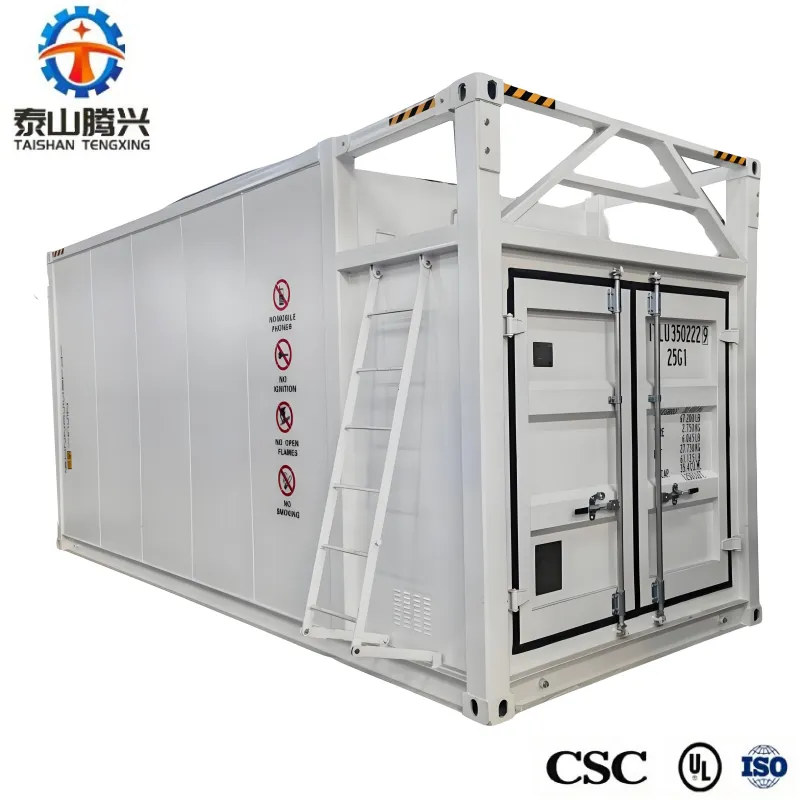

If you're interested in learning more about our products or have any questions about safety or purchasing, don't hesitate to reach out. We're here to help you make the best decision for your business. Let's have a chat about how our mobile gasoline stations can meet your needs and keep you safe.
References
- Occupational Safety and Health Administration (OSHA) guidelines on fuel storage and handling.
- National Fire Protection Association (NFPA) standards for gasoline stations.