Are Mini Petrol Stations compliant with health and safety standards?
As a supplier of Mini Petrol Stations, I've been closely involved in the industry and have witnessed the growing popularity of these compact fueling solutions. With the increasing demand for convenient and efficient fueling options, mini petrol stations have emerged as a viable alternative to traditional large - scale petrol stations. However, a crucial question that often arises is whether these mini petrol stations comply with health and safety standards.
First and foremost, it's essential to understand what health and safety standards entail in the context of petrol stations. These standards are put in place to protect the environment, the workers at the station, and the general public. They cover a wide range of aspects, including fire safety, storage of fuel, prevention of spills, and protection against harmful emissions.
In terms of fire safety, mini petrol stations are designed with advanced fire - prevention systems. Just like their larger counterparts, they are equipped with fire extinguishers that are regularly inspected and maintained. The fuel storage tanks are made of high - quality, fire - resistant materials. Moreover, the layout of the mini petrol station is carefully planned to ensure that there is sufficient space between the fuel pumps, storage tanks, and other structures to prevent the spread of fire in case of an accident. For instance, the distance between the fuel storage area and the dispensing pumps is calculated based on industry - wide fire safety guidelines.
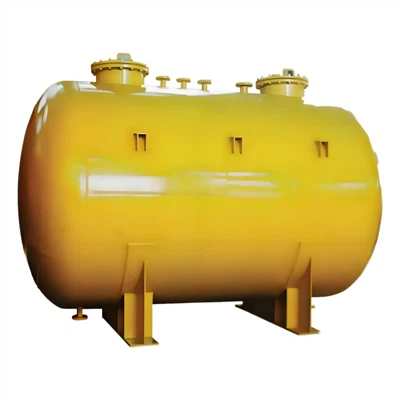
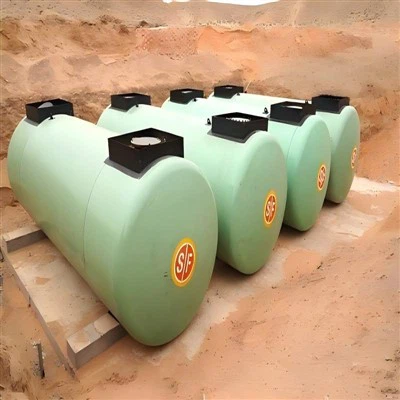
When it comes to the storage of fuel, mini petrol stations adhere to strict regulations. The fuel storage tanks are built to withstand various environmental conditions and are designed to prevent leaks. They are often double - walled, which provides an extra layer of protection. In the event of a leak in the inner wall, the outer wall will contain the fuel, preventing it from seeping into the ground and causing environmental damage. Regular inspections are carried out to check for any signs of corrosion or damage to the tanks. This is in line with the requirements set by environmental protection agencies to ensure that the fuel is stored safely and securely.
Spill prevention is another critical aspect of health and safety. Mini petrol stations are equipped with spill - containment systems at the fuel dispensing points. These systems are designed to catch any fuel that may spill during the refueling process. Additionally, the staff at these stations are trained to handle spills properly. They are taught how to use absorbent materials to clean up spills quickly and safely, reducing the risk of fire and environmental pollution.
Harmful emissions are also a concern when it comes to petrol stations. Mini petrol stations are designed to minimize emissions through the use of advanced vapor recovery systems. These systems capture the fuel vapors that are released during the refueling process and return them to the storage tank. This not only reduces air pollution but also helps in conserving fuel. The use of these vapor recovery systems is mandatory in many regions to meet air quality standards.
As a supplier, we ensure that all our Mini Petrol Stations are built to meet or exceed the relevant health and safety standards. We work closely with regulatory bodies to stay updated on the latest requirements and make any necessary improvements to our products. Our manufacturing process is highly regulated, and we conduct rigorous quality control checks at every stage.


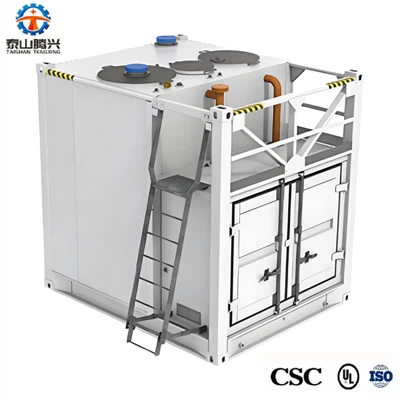
In addition to the standard Mini Petrol Stations, we also offer Mini Diesel Stations. Diesel has its own set of safety requirements, and our Mini Diesel Stations are designed to meet these specific needs. The storage and dispensing systems for diesel are different from those for petrol, and we ensure that all the necessary safety features are in place. For example, diesel has a higher flash point than petrol, but it still requires proper ventilation and storage conditions to prevent the build - up of explosive vapors.
One of the advantages of mini petrol and diesel stations is their flexibility. They can be installed in a variety of locations, including remote areas and small - scale businesses. However, this also means that they need to be able to operate safely in different environments. Our stations are designed to be durable and reliable, whether they are located in a busy urban area or a rural setting.
To further ensure compliance, we provide comprehensive training to the operators of our mini petrol and diesel stations. This training covers all aspects of health and safety, from operating the equipment correctly to handling emergencies. We believe that well - trained operators are the key to maintaining a safe and compliant fueling environment.
We also understand the importance of transparency and accountability. We keep detailed records of all our manufacturing processes, inspections, and maintenance activities. These records are available for review by regulatory authorities and our customers. This not only helps in demonstrating our commitment to compliance but also allows us to continuously improve our products and services.
In conclusion, mini petrol and diesel stations can be fully compliant with health and safety standards when they are designed, built, and operated correctly. As a supplier, we are committed to providing high - quality products that meet the strictest safety requirements. Our Mini Petrol Stations and Mini Diesel Stations offer a safe, convenient, and efficient fueling solution for a wide range of customers.
If you are interested in learning more about our Mini Petrol Stations or Mini Diesel Stations, or if you are considering a purchase and would like to discuss your specific requirements, we encourage you to reach out to us for a detailed consultation. We are always ready to assist you in finding the best fueling solution for your needs.
References
- International Fire Code Institute. (Year). Fire safety standards for fuel storage and dispensing facilities.
- Environmental Protection Agency. (Year). Regulations for fuel storage and spill prevention.
- Occupational Safety and Health Administration. (Year). Guidelines for operating petrol and diesel stations safely.