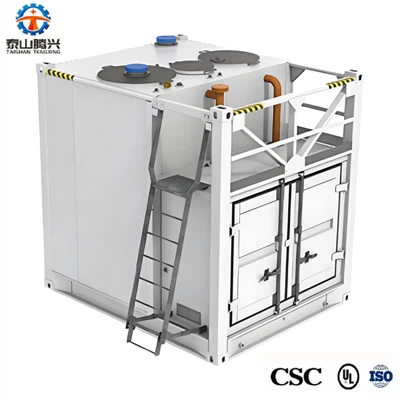
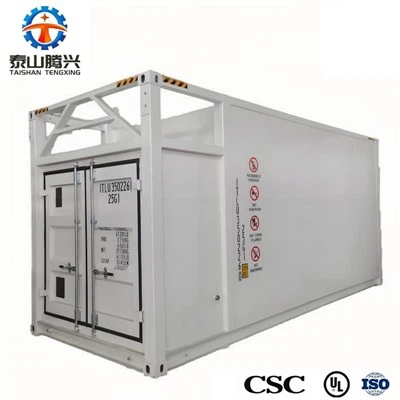
As a supplier of self-bunded fuel tanks, I've witnessed firsthand the widespread adoption of these storage solutions across various industries. Self-bunded fuel tanks are designed with a secondary containment system, offering enhanced safety and environmental protection compared to traditional single-wall tanks. They are commonly used for storing petrol, diesel, and other fuels, and their popularity stems from their ability to prevent spills and leaks. However, like any product, self-bunded fuel tanks are not without their drawbacks. In this blog post, I'll explore some of the disadvantages associated with these tanks to provide a comprehensive view for potential buyers.
High Initial Cost
One of the most significant disadvantages of self-bunded fuel tanks is their high initial cost. The design of these tanks includes a secondary containment system, which adds to the manufacturing complexity and material requirements. This additional layer of protection makes self-bunded tanks more expensive than their single-wall counterparts. For small businesses or individuals with limited budgets, the upfront investment required for a self-bunded fuel tank can be a significant barrier.
For example, a standard single-wall diesel tank might cost a few hundred dollars, depending on its size. In contrast, a self-bunded diesel tank of the same capacity can cost several thousand dollars. This price difference can be a deal-breaker for some customers, especially when considering the large number of tanks required for industrial applications. The high cost is not just limited to the tank itself; installation costs can also be higher due to the need for specialized equipment and expertise to ensure proper placement and connection.
Limited Customization
Self-bunded fuel tanks are typically mass-produced to meet standard industry requirements. While this ensures consistency and quality control, it also limits the degree of customization available to customers. Most manufacturers offer a range of standard sizes and configurations, but if a customer has specific requirements that deviate from these options, they may find it challenging to find a suitable tank.
For instance, if a customer needs a tank with a non-standard shape or size to fit into a particular space, or if they require specific fittings or accessories, they may have to pay a premium for custom fabrication. Even then, the customization options may be limited by the manufacturing capabilities of the supplier. This lack of flexibility can be a disadvantage for businesses with unique fuel storage needs, such as those in the aviation or marine industries, where specialized tanks are often required.
Maintenance Complexity
Maintaining a self-bunded fuel tank is more complex than maintaining a single-wall tank. The secondary containment system adds an extra layer of components that need to be inspected and maintained regularly. This includes checking for leaks in the inner and outer walls, monitoring the integrity of the interstitial space, and ensuring that the ventilation and drainage systems are functioning properly.
Over time, the interstitial space between the inner and outer walls can accumulate moisture, debris, or even fuel if there is a leak. This requires periodic inspection and cleaning to prevent corrosion and ensure the effectiveness of the secondary containment. Additionally, the sensors and monitoring devices used in self-bunded tanks need to be calibrated and tested regularly to ensure accurate readings. The complexity of maintenance can increase the overall cost of ownership and may require specialized training for maintenance personnel.

Weight and Size
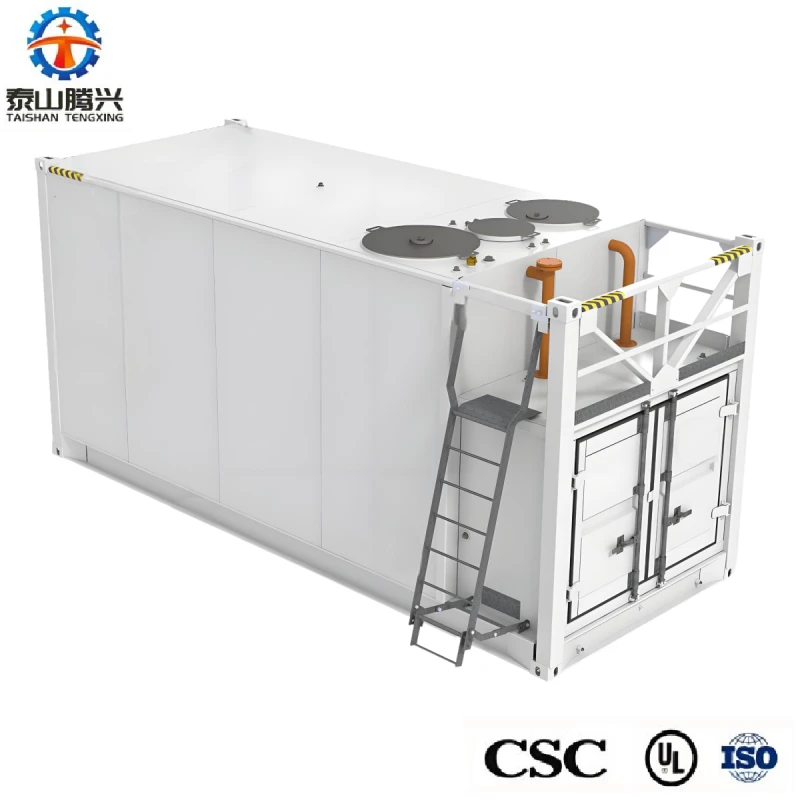
Self-bunded fuel tanks are generally heavier and larger than single-wall tanks due to the additional layer of containment. This can pose challenges during transportation and installation. The increased weight requires more robust transportation equipment and may limit the options for moving the tank to the installation site. In some cases, special permits may be required for transporting oversized or overweight loads.
The larger size of self-bunded tanks also means that they require more space for installation. This can be a problem for businesses with limited storage space or for installations in urban areas where space is at a premium. Additionally, the size and weight of the tank can make it more difficult to position and level during installation, which can affect the long-term stability and performance of the tank.
Regulatory Requirements
Self-bunded fuel tanks are subject to strict regulatory requirements to ensure safety and environmental protection. These regulations vary depending on the location and the type of fuel being stored. Compliance with these regulations can be a complex and time-consuming process, requiring businesses to obtain permits, conduct regular inspections, and maintain detailed records.
For example, in some areas, self-bunded fuel tanks must be installed in accordance with specific building codes and safety standards. This may include requirements for fire protection, spill containment, and ventilation. Failure to comply with these regulations can result in significant fines and penalties, as well as potential liability in the event of an accident or environmental incident. The regulatory burden can be a deterrent for some businesses, especially those that are not familiar with the requirements or do not have the resources to ensure compliance.
Potential for False Alarms
Many self-bunded fuel tanks are equipped with sensors and monitoring systems to detect leaks and other issues. While these systems are designed to provide early warning of potential problems, they can also generate false alarms. Factors such as temperature changes, pressure fluctuations, or electrical interference can cause the sensors to malfunction and trigger an alarm when there is no actual problem.
False alarms can be a nuisance for tank owners, as they require immediate attention and investigation. This can disrupt normal operations and waste valuable time and resources. In some cases, repeated false alarms can lead to complacency among operators, who may start to ignore the alarms, increasing the risk of missing a real problem.
Conclusion
Despite these disadvantages, self-bunded fuel tanks remain a popular choice for many businesses due to their enhanced safety and environmental protection features. However, it's important for potential buyers to be aware of the drawbacks before making a purchase decision. By carefully considering the initial cost, customization options, maintenance requirements, weight and size, regulatory compliance, and the potential for false alarms, businesses can make an informed choice that meets their specific needs and budget.
If you're considering purchasing a self-bunded fuel tank and would like to learn more about our products, we invite you to explore our range of Self Bunded Petrol Tank, Self Bunded Petrol Fuel Tank, and Self Bunded Diesel Tank. Our team of experts is available to answer any questions you may have and assist you in finding the right solution for your fuel storage needs. Contact us today to start the conversation and explore the possibilities.
References
- "Fuel Storage Tanks: A Guide to Selection, Installation, and Maintenance." American Petroleum Institute.
- "Safety Standards for Self-Bunded Fuel Tanks." National Fire Protection Association.
- "Environmental Regulations for Fuel Storage Facilities." Environmental Protection Agency.