In the global pursuit of environmental sustainability, the role of fuel stations in contributing to or mitigating environmental impact has become a topic of significant interest. As a supplier of small fuel stations, I've often been asked whether small fuel stations are more environmentally friendly compared to their larger counterparts. This blog post aims to explore this question in depth, drawing on scientific evidence and real - world experiences.
Understanding the Environmental Impact of Fuel Stations
Before delving into the comparison between small and large fuel stations, it's crucial to understand the main environmental impacts associated with fuel stations in general. Fuel stations are sources of air pollution through the evaporation of volatile organic compounds (VOCs) during fuel storage and dispensing. These VOCs react with nitrogen oxides in the presence of sunlight to form ground - level ozone, a major component of smog. Ozone can cause respiratory problems, reduce lung function, and damage vegetation.
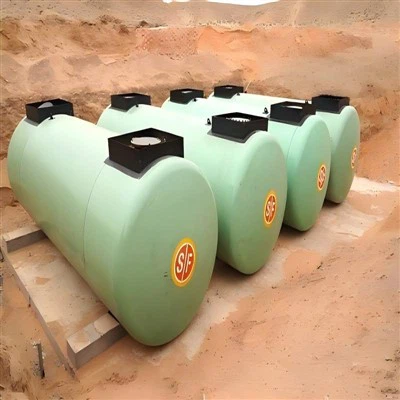
In addition to air pollution, fuel stations can also pose a risk of soil and groundwater contamination. Leaks from underground storage tanks or spills during fuel transfer can release petroleum products into the soil, which may then seep into groundwater. Contaminated groundwater can be a long - term environmental problem, affecting drinking water supplies and aquatic ecosystems.
Advantages of Small Fuel Stations in Terms of Environmental Friendliness
Reduced Scale of Operations
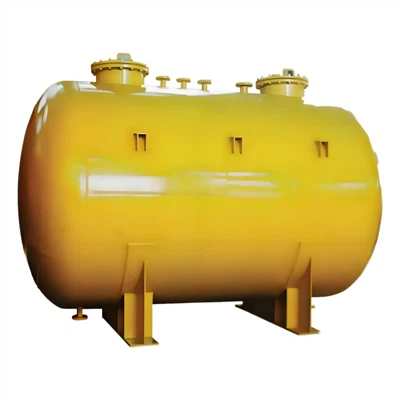
One of the most obvious advantages of small fuel stations is their reduced scale of operations. Small fuel stations typically have smaller storage tanks and lower fuel throughput compared to large fuel stations. This means that the potential volume of VOC emissions and the risk of large - scale spills are relatively lower. With less fuel being stored and dispensed, there is less opportunity for evaporation and accidental releases.


For example, a large fuel station might have storage tanks with a capacity of tens of thousands of gallons, while a small fuel station could have tanks with a capacity of a few thousand gallons. The smaller the volume of fuel in storage, the less VOCs are likely to be released into the atmosphere during normal operations.
Tailored to Local Needs
Small fuel stations are often more closely tailored to the needs of their local communities. They are more likely to serve a specific neighborhood or a small commercial area, which means that they can be designed and operated in a way that minimizes environmental impact. For instance, they can adjust their fuel inventory based on the actual demand, reducing the amount of excess fuel that needs to be stored and potentially wasted.
Moreover, small fuel stations can be more flexible in implementing new environmental technologies. They can quickly adopt emerging solutions such as advanced vapor recovery systems or more efficient fuel dispensing equipment. These technologies can significantly reduce VOC emissions and improve overall environmental performance.
Mobility and Flexibility
Small fuel stations, such as the Small Mobile Diesel Station and Small Mobile Petrol Station, offer unique environmental benefits due to their mobility and flexibility. Mobile fuel stations can be moved to where they are needed most, reducing the need for vehicles to travel long distances to refuel. This can lead to a decrease in overall vehicle emissions, especially in remote areas or construction sites where traditional fuel stations may not be readily available.
In addition, mobile fuel stations can be easily decommissioned and relocated when they are no longer needed. This reduces the long - term environmental impact associated with the abandonment of fixed - site fuel stations, such as soil and groundwater contamination from old storage tanks.
Challenges Faced by Small Fuel Stations in Environmental Protection
Limited Resources for Environmental Upgrades
Despite their potential environmental advantages, small fuel stations also face some challenges in terms of environmental protection. One of the main challenges is the limited financial and technical resources available for environmental upgrades. Implementing advanced environmental technologies, such as state - of - the - art vapor recovery systems or leak detection equipment, can be expensive. Small fuel station operators may find it difficult to afford these upgrades, which could limit their ability to reduce environmental impact.
Lack of Standardization and Regulation Compliance
Another challenge is the lack of standardization and difficulty in ensuring compliance with environmental regulations. Small fuel stations may not have the same level of access to regulatory information and support as large fuel stations. This can lead to inconsistent implementation of environmental protection measures, increasing the risk of non - compliance and potential environmental harm.
Strategies to Enhance the Environmental Friendliness of Small Fuel Stations
Collaboration and Shared Resources
To overcome the challenge of limited resources, small fuel station operators can consider collaborating with each other or with industry associations. By pooling their resources, they can jointly invest in environmental upgrades and share the costs. For example, several small fuel stations in a local area could collaborate to install a centralized vapor recovery system or a shared fuel quality monitoring facility.
Training and Education
Providing training and education to small fuel station operators is also crucial. Training programs can help operators understand the environmental impacts of their operations and learn about the latest environmental technologies and best practices. This can improve their ability to implement effective environmental protection measures and ensure compliance with regulations.
Government Support and Incentives
Government support in the form of subsidies, grants, or tax incentives can play a significant role in promoting the environmental friendliness of small fuel stations. By providing financial assistance for environmental upgrades, the government can encourage small fuel station operators to invest in more sustainable technologies and practices.
Conclusion
In conclusion, small fuel stations have the potential to be more environmentally friendly than large fuel stations due to their reduced scale of operations, tailored local services, and mobility. However, they also face challenges such as limited resources and difficulties in regulatory compliance. By implementing strategies such as collaboration, training, and government support, the environmental performance of small fuel stations can be significantly enhanced.
As a supplier of small fuel stations, I am committed to promoting the development and use of environmentally friendly small fuel stations. If you are interested in learning more about our products or discussing potential procurement opportunities, please feel free to reach out. We are eager to work with you to create a more sustainable future for the fuel industry.
References
- Environmental Protection Agency (EPA). "Fuel Station Emissions and Control Technologies."
- International Energy Agency (IEA). "Sustainable Fuel Infrastructure Development."
- Journal of Environmental Science and Technology. "Comparative Analysis of Environmental Impacts of Small and Large Fuel Stations."