Can an above ground fuel tank be used in cold climates?
As a supplier of above ground fuel tanks, I often get asked whether our tanks can be used in cold climates. It's a valid concern, as cold weather can present unique challenges for fuel storage and usage. In this blog post, I'll explore the feasibility of using above ground fuel tanks in cold climates, discussing the potential issues and solutions to ensure reliable performance.
Understanding the Challenges
Cold climates bring several challenges when it comes to above ground fuel tanks. The most significant issue is the impact of low temperatures on the fuel itself. Diesel fuel, for example, can start to gel at temperatures below its cloud point, which is the temperature at which wax crystals begin to form. These wax crystals can clog fuel filters and injectors, leading to engine problems and reduced performance. Gasoline, on the other hand, may experience vapor lock in extremely cold weather, where the fuel vaporizes in the fuel lines, preventing proper fuel flow.
In addition to fuel-related issues, cold temperatures can also affect the tank itself. The expansion and contraction of the tank material due to temperature changes can cause stress on the tank walls, potentially leading to cracks or leaks. Ice formation around the tank can also cause damage, especially if it exerts pressure on the tank structure.
Choosing the Right Tank
When considering using an above ground fuel tank in a cold climate, it's crucial to choose the right tank for the job. Look for tanks that are specifically designed to withstand cold temperatures and are made from materials that can handle the expansion and contraction associated with temperature changes. Steel tanks are a popular choice for cold climates, as they are durable and can withstand the rigors of winter weather.
It's also important to consider the tank's insulation. Insulated tanks can help maintain a more consistent temperature inside the tank, reducing the risk of fuel gelling or vapor lock. Some tanks come with built-in insulation, while others can be retrofitted with insulation materials.
Fuel Selection and Treatment
Selecting the right fuel for cold climates is essential. For diesel fuel, use a winterized blend that has a lower cloud point and pour point. These blends are formulated to prevent gelling in cold temperatures. You can also add fuel additives to further improve the cold flow properties of the fuel. These additives can lower the cloud point and prevent wax crystal formation.
Gasoline should also be selected carefully. Look for gasoline with a higher octane rating, as it tends to have better cold-starting properties. In extremely cold weather, you may also want to consider using a fuel stabilizer to prevent fuel degradation.


Tank Placement and Installation
Proper tank placement and installation are crucial for the performance of an above ground fuel tank in a cold climate. The tank should be placed on a level surface that is free from ice and snow accumulation. It's also important to ensure that the tank is installed in a location that is protected from strong winds and direct sunlight, as these factors can affect the tank's temperature.
The tank should be installed with proper ventilation to prevent the buildup of fuel vapors. In cold climates, it's also important to ensure that the ventilation system is protected from ice and snow, as blockages can lead to pressure buildup inside the tank.
Maintenance and Monitoring
Regular maintenance and monitoring are essential for the safe and reliable operation of an above ground fuel tank in a cold climate. Inspect the tank regularly for signs of damage, such as cracks, leaks, or corrosion. Check the fuel filters and lines for clogs, and replace them as needed.
Monitor the fuel level and temperature inside the tank regularly. In cold weather, it's important to keep the tank at least half full to reduce the amount of air space inside the tank, which can help prevent condensation and ice formation. You may also want to consider installing a fuel temperature sensor to monitor the fuel temperature and take appropriate action if it drops too low.
Our Above Ground Fuel Tanks
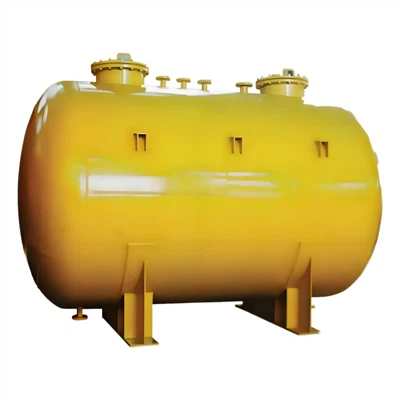
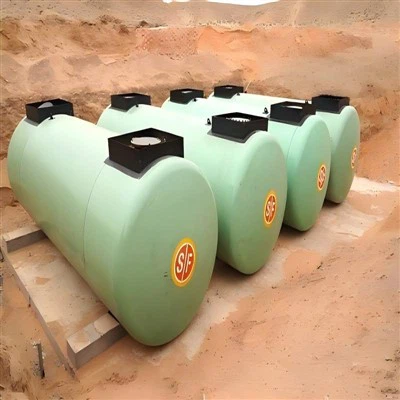
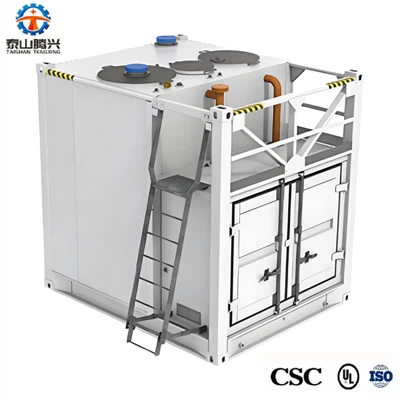
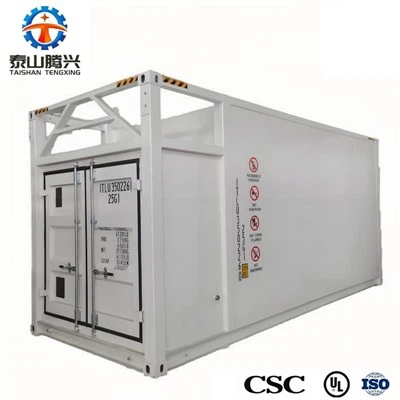
At our company, we offer a wide range of Above Ground Diesel Tank, Above Ground Gasoline Fuel Tank, and Above Ground Diesel Fuel Tank that are designed to withstand the challenges of cold climates. Our tanks are made from high-quality materials and are built to last. They come with various features, such as insulation, ventilation, and monitoring systems, to ensure reliable performance in cold weather.
If you're considering using an above ground fuel tank in a cold climate, we'd be happy to help you choose the right tank for your needs. Our team of experts can provide you with detailed information about our products and offer advice on installation, maintenance, and fuel selection.
Conclusion
In conclusion, an above ground fuel tank can be used in cold climates with the right precautions and considerations. By choosing the right tank, selecting the appropriate fuel, ensuring proper installation and maintenance, and monitoring the tank regularly, you can ensure the safe and reliable operation of your fuel tank in cold weather.
If you have any questions or would like to discuss your fuel tank needs further, please don't hesitate to contact us. We're here to help you find the best solution for your fuel storage requirements.
References
- American Petroleum Institute. (2019). API Standard 650 - Welded Steel Tanks for Oil Storage.
- National Fire Protection Association. (2020). NFPA 30 - Flammable and Combustible Liquids Code.
- US Environmental Protection Agency. (2021). Aboveground Storage Tanks Regulations.