As a supplier of Underground Diesel Tanks, I've often been asked whether these tanks can be safely used in flood - prone areas. This is a crucial question that requires a comprehensive understanding of the tank's design, flood risks, and safety measures. In this blog, I'll delve into the various aspects of using an underground diesel tank in such areas.
Understanding Underground Diesel Tanks
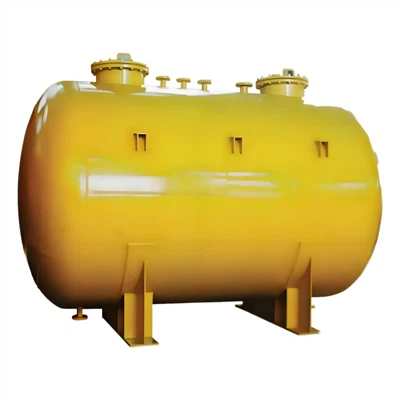
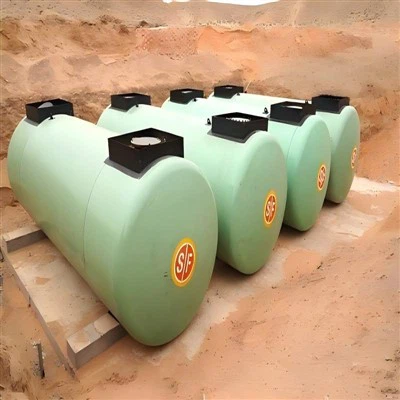
Underground diesel tanks are designed to store diesel fuel safely and efficiently. They are typically made of high - quality materials such as steel or fiberglass, which provide durability and resistance to corrosion. These tanks are installed below the ground surface, which offers several advantages, including protection from the elements, reduced visual impact, and increased storage capacity.
The Underground Diesel Tank we supply is engineered to meet strict industry standards. It has a double - walled construction in many cases, which provides an extra layer of protection against leaks. The inner tank holds the diesel, while the outer tank acts as a secondary containment in case of a breach in the inner tank. This design helps prevent environmental contamination and ensures the safety of the stored fuel.
Flood Risks and Their Impact on Underground Diesel Tanks
Flood - prone areas are characterized by the risk of water inundation due to heavy rainfall, storm surges, or rising river levels. When a flood occurs, an underground diesel tank is exposed to several potential hazards.
Buoyancy
One of the primary concerns is buoyancy. When the surrounding soil becomes saturated with water during a flood, the tank may experience an upward force. If the tank is not properly anchored, it can float to the surface. This can cause significant damage to the tank, including cracks in the walls, disconnection of pipes, and even rupture. A floating tank can also pose a danger to nearby structures and people.
Water Ingress
Floodwaters can carry a variety of contaminants, such as sediment, debris, and chemicals. If water enters the diesel tank, it can contaminate the fuel. Water in diesel can lead to microbial growth, which can clog filters, damage fuel injectors, and reduce the efficiency of engines that use the fuel. Additionally, water can cause corrosion inside the tank, weakening its structure over time.
Structural Damage
The force of floodwaters can exert pressure on the tank. High - velocity water can push against the tank walls, causing dents or fractures. Debris carried by the flood can also strike the tank, leading to physical damage. If the tank's structural integrity is compromised, it can result in fuel leaks, which are not only a fire and explosion hazard but also a serious environmental concern.
Mitigating Flood Risks for Underground Diesel Tanks
Despite the risks, it is possible to use underground diesel tanks in flood - prone areas by implementing appropriate mitigation measures.
Proper Anchoring
To prevent buoyancy, the tank must be properly anchored to the ground. This can be achieved through the use of heavy - duty straps, concrete slabs, or other anchoring systems. The anchoring should be designed to withstand the upward force exerted by floodwaters. Engineers calculate the required anchoring strength based on factors such as the size and weight of the tank, the depth of installation, and the expected flood levels in the area.
Elevated Installation
In some cases, installing the tank at an elevated location within the flood - prone area can minimize the risk of water inundation. This may involve building a raised platform or using a tank with a higher base. However, this approach needs to be carefully planned to ensure that the tank remains stable and accessible for maintenance.
Secondary Containment and Sealing
In addition to the double - walled design, proper sealing of all tank openings, such as vents, fill pipes, and inspection ports, is essential. This helps prevent water from entering the tank during a flood. The secondary containment system should also be designed to withstand the force of floodwaters and contain any fuel that may leak from the tank.
Monitoring and Maintenance
Regular monitoring of the tank is crucial in flood - prone areas. This includes checking for signs of damage, water ingress, and corrosion. Sensors can be installed to detect water levels inside the tank and any changes in the tank's position. A proactive maintenance schedule should be established to address any issues promptly.
Case Studies and Real - World Examples
There have been instances where underground diesel tanks in flood - prone areas have withstood floods successfully. For example, in a coastal town that experienced a major storm surge, a well - anchored and properly maintained underground diesel tank remained intact. The tank's double - walled design and effective sealing prevented water from entering, and the anchoring system kept it in place despite the high - water levels.
On the other hand, there are also cases where inadequate preparation led to problems. In a region with frequent flash floods, a poorly anchored tank floated to the surface during a flood, causing a significant fuel spill. The spill contaminated a nearby stream and required an expensive cleanup operation.
The Viability of Using Underground Diesel Tanks in Flood - Prone Areas
While the risks associated with using underground diesel tanks in flood - prone areas are significant, with proper planning, design, and maintenance, it is possible to use these tanks safely. The key is to assess the specific flood risks in the area and implement appropriate mitigation measures.
In some cases, the benefits of using an underground diesel tank, such as increased storage capacity and reduced visual impact, may outweigh the risks. For industries that require a large - scale and reliable supply of diesel, such as construction sites, power plants, and agricultural operations, an underground diesel tank can be a valuable asset.
Conclusion
In conclusion, an underground diesel tank can be used in a flood - prone area, but it requires careful consideration and implementation of safety measures. As a supplier of Underground Diesel Tanks, we are committed to providing high - quality tanks and professional advice to our customers. We understand the unique challenges of flood - prone areas and can help design and install systems that are resilient to floods.
If you are considering installing an underground diesel tank in a flood - prone area, we encourage you to contact us for a consultation. Our team of experts can assess your specific needs, evaluate the flood risks in your area, and recommend the most suitable tank and mitigation measures. Whether you need an Underground Petrol Tank or an Underground Gasoline Tank, we have the expertise and products to meet your requirements. Let's work together to ensure the safe and efficient storage of your fuel.


References
- American Petroleum Institute (API). "API Standard 650: Welded Steel Tanks for Oil Storage."
- National Fire Protection Association (NFPA). "NFPA 30: Flammable and Combustible Liquids Code."
- Environmental Protection Agency (EPA). "Underground Storage Tank Regulations."