As a supplier of Underground Diesel Tanks, I often encounter inquiries from clients regarding the suitability of using underground diesel tanks in high - traffic areas. This is a crucial question, as high - traffic zones pose unique challenges and considerations that can significantly impact the safety, functionality, and long - term viability of an underground diesel tank system.
Safety Considerations
Risk of Physical Damage
In high - traffic areas, there is an increased risk of physical damage to the underground diesel tank. Heavy vehicles, construction equipment, and regular traffic can cause ground vibrations, which may lead to stress on the tank structure over time. Additionally, accidental impacts from construction work, such as excavation or trenching, can penetrate the tank, resulting in diesel leaks.
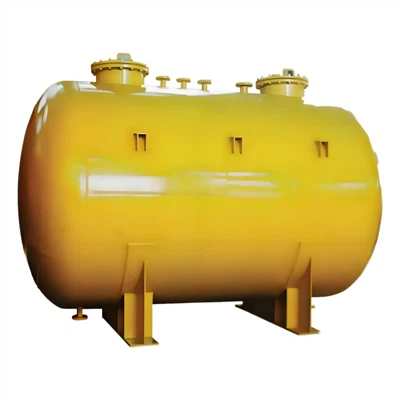
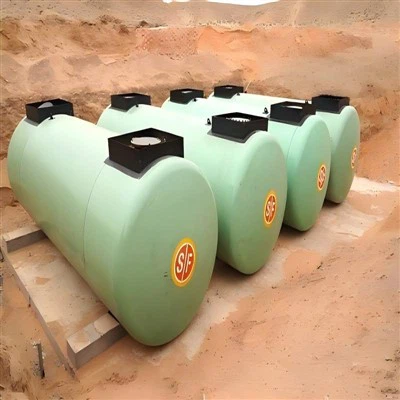
To mitigate these risks, modern underground diesel tanks are designed with robust materials. For example, many are made from fiberglass - reinforced plastic (FRP) or high - grade steel. FRP tanks are corrosion - resistant and have excellent structural integrity, making them less prone to damage from vibrations and minor impacts. High - grade steel tanks, on the other hand, can be coated with anti - corrosion materials and are engineered to withstand a certain level of external pressure.
Fire and Explosion Hazards
Diesel is a flammable liquid, and any leak in a high - traffic area can pose a serious fire and explosion hazard. In a busy environment, there are numerous potential ignition sources, such as vehicle exhausts, electrical equipment, and heating systems. Moreover, the presence of a large number of people and vehicles in the vicinity means that the consequences of a fire or explosion could be catastrophic.
To address this, underground diesel tanks are equipped with multiple safety features. They typically have secondary containment systems, which act as an additional barrier in case of a primary tank leak. These secondary containment structures can prevent diesel from seeping into the surrounding soil and water sources, reducing the risk of a large - scale fire. In addition, modern tanks are designed with pressure - relief valves and overfill prevention devices, which help maintain the integrity of the tank and prevent spills during normal operation.
Environmental Impact
Soil and Water Contamination
One of the major concerns in using an underground diesel tank in a high - traffic area is the potential for soil and water contamination. A diesel leak can contaminate the soil, affecting plant growth and potentially harming the local ecosystem. If the leak reaches groundwater sources, it can contaminate drinking water supplies, posing a serious threat to public health.
Underground diesel tanks are required to meet strict environmental regulations. For example, they must be designed to prevent corrosion, which is one of the main causes of leaks. Regular inspections and maintenance are also essential to ensure the integrity of the tank. In addition, some underground diesel tanks are equipped with sensors that can detect even the smallest leaks, allowing for prompt action to be taken before the situation worsens.
Air Quality
In a high - traffic area, the emissions from vehicles already contribute to poor air quality. A diesel leak from an underground tank can further exacerbate the problem. Diesel vapors contain harmful pollutants such as particulate matter, nitrogen oxides, and volatile organic compounds (VOCs), which can cause respiratory problems and other health issues.
To minimize the impact on air quality, underground diesel tanks are designed to have tight seals. This reduces the release of diesel vapors into the atmosphere. Additionally, proper ventilation systems can be installed in the area around the tank to ensure that any vapors that do escape are quickly dispersed.
Regulatory Requirements
Local and National Codes
Using an underground diesel tank in a high - traffic area is subject to a variety of local and national regulations. These regulations are in place to ensure the safety of the public, the environment, and the integrity of the tank. For example, in many areas, there are specific requirements for the installation depth of the tank, the distance from buildings and water sources, and the type of secondary containment system that must be used.


Compliance with these regulations is not only a legal obligation but also crucial for the long - term success of the project. Failure to comply can result in significant fines, legal liability, and damage to the reputation of the business. As a supplier, we are well - versed in these regulations and can provide guidance to our clients to ensure that their underground diesel tank installation meets all the necessary requirements.
Permitting and Inspections
Obtaining the necessary permits for an underground diesel tank installation in a high - traffic area can be a complex process. It typically involves submitting detailed plans, including the tank design, installation location, and safety features. In addition, regular inspections are required to ensure that the tank is operating safely and in compliance with the regulations.
Our company can assist clients with the permitting process by providing all the necessary documentation and technical support. We can also arrange for third - party inspections to ensure that the tank meets all the standards.
Functionality and Practicality
Fuel Supply and Demand
In a high - traffic area, there is often a high demand for fuel. An underground diesel tank can provide a reliable and convenient source of fuel for vehicles, machinery, and generators. However, it is important to ensure that the tank has an adequate capacity to meet the demand.
We offer a range of underground diesel tank sizes to suit different requirements. Our experts can help clients determine the appropriate tank capacity based on their specific needs, taking into account factors such as the number of vehicles or equipment that will be refueled, the frequency of refueling, and the expected growth in demand over time.
Maintenance and Accessibility
Maintaining an underground diesel tank in a high - traffic area can be challenging. The tank needs to be regularly inspected for leaks, corrosion, and other issues. In addition, any necessary repairs or maintenance work should be carried out in a timely manner to ensure the continued safe operation of the tank.
Our underground diesel tanks are designed for easy access and maintenance. They are equipped with access ports and inspection hatches that allow for quick and easy visual inspections. In addition, we offer comprehensive maintenance services to our clients, including regular tank cleaning, corrosion prevention treatments, and equipment repairs.
Conclusion
In conclusion, an underground diesel tank can be used in a high - traffic area, but it requires careful planning, proper design, and strict compliance with safety and environmental regulations. As a supplier of Underground Diesel Tanks, we have the expertise and experience to provide our clients with high - quality tanks and comprehensive support services.
If you are considering installing an underground diesel tank in a high - traffic area, we encourage you to contact us to discuss your specific needs. Our team of experts will be happy to provide you with detailed information and guidance on the best solutions for your project. Whether you need a small - capacity tank for a local business or a large - scale installation for a transportation hub, we can help you find the right underground diesel tank to meet your requirements.
References
- "Underground Storage Tank Regulations Handbook", Environmental Protection Agency
- "Safety Standards for Fuel Storage Tanks", National Fire Protection Association
- "Guidelines for the Installation of Underground Diesel Tanks", American Petroleum Institute