As a supplier of 40 FT ISO Containers, I often receive inquiries about whether hazardous materials can be loaded into these containers. This is a critical question that involves not only safety but also compliance with various regulations. In this blog, I'll delve into the details of loading hazardous materials into 40 FT ISO Containers, exploring the possibilities, limitations, and necessary precautions.
Understanding 40 FT ISO Containers
First, let's get a clear understanding of what a 40 FT ISO Container is. A 40 FT ISO Container is a standardized shipping container that adheres to the International Organization for Standardization (ISO) specifications. These containers are widely used in international trade for transporting a variety of goods due to their durability, stackability, and compatibility with different modes of transportation, such as ships, trains, and trucks.
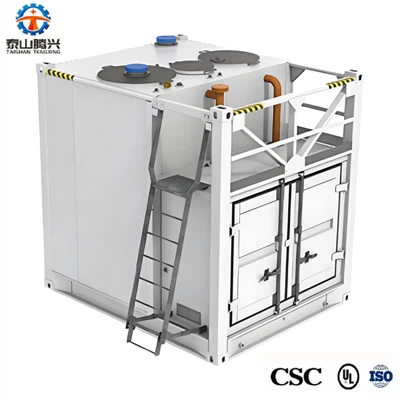
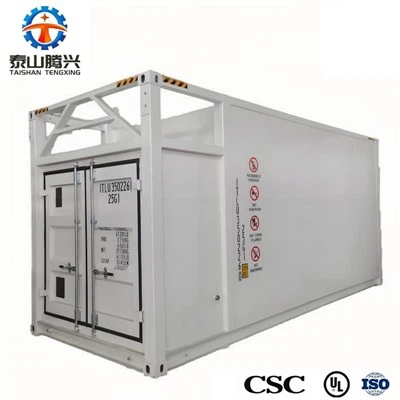
The 40 FT ISO Container comes in different types, including dry containers, refrigerated containers, and tank containers. The type of container used for hazardous materials depends on the nature of the materials being transported. For example, liquid hazardous materials are often transported in 40 FT ISO Tank containers, which are specifically designed to hold liquids safely.
Can Hazardous Materials Be Loaded?
The short answer is yes, hazardous materials can be loaded into 40 FT ISO Containers, but with strict conditions and regulations. Hazardous materials are substances that pose a risk to health, safety, property, or the environment. These materials include flammable liquids, gases, corrosive substances, and radioactive materials, among others.
To ensure the safe transportation of hazardous materials, international and national regulations have been established. The International Maritime Dangerous Goods (IMDG) Code is one of the most important regulations for shipping hazardous materials by sea. It provides detailed guidelines on the packing, labeling, and handling of hazardous materials in containers.
In addition to the IMDG Code, other regulations such as the United Nations Recommendations on the Transport of Dangerous Goods (UN RTDG) and national transportation regulations also apply. These regulations specify the requirements for container design, construction, and testing to ensure that they can safely contain hazardous materials during transportation.


Types of Hazardous Materials Suitable for 40 FT ISO Containers
Not all hazardous materials can be loaded into 40 FT ISO Containers. The suitability of a container for a particular hazardous material depends on the physical and chemical properties of the material, as well as the design and construction of the container.
- Flammable Liquids and Gases: Flammable liquids and gases can be transported in 40 FT ISO Tank containers. These containers are designed to prevent leakage and are equipped with safety features such as pressure relief valves and emergency shut-off devices.
- Corrosive Substances: Corrosive substances, such as acids and alkalis, require containers made of corrosion-resistant materials. Special coatings or linings may also be applied to the interior of the container to protect it from corrosion.
- Toxic Substances: Toxic substances need to be packed in containers that can prevent the release of harmful vapors or particles. The containers should be tightly sealed and labeled with appropriate warning signs.
Precautions and Safety Measures
When loading hazardous materials into 40 FT ISO Containers, several precautions and safety measures must be taken to ensure the safety of the cargo, the transportation personnel, and the environment.
- Proper Packing: Hazardous materials must be packed in appropriate packaging materials that can withstand the physical and chemical properties of the materials. The packaging should be labeled with the correct information about the hazardous material, including its name, hazard class, and handling instructions.
- Container Inspection: Before loading, the container must be thoroughly inspected to ensure that it is in good condition and free from any defects or damage. Any signs of corrosion, leakage, or structural damage should be repaired or the container should be replaced.
- Loading and Securing: Hazardous materials should be loaded carefully to prevent damage to the container or the packaging. The cargo should be properly secured to prevent movement during transportation, which could lead to spills or leaks.
- Documentation: Accurate documentation is essential for the transportation of hazardous materials. The shipping documents should include information about the type and quantity of the hazardous material, its hazard class, and the emergency response procedures.
Compliance with Regulations
Compliance with regulations is crucial when transporting hazardous materials in 40 FT ISO Containers. Failure to comply with the regulations can result in serious consequences, including fines, legal liability, and damage to the environment.
As a supplier of 40 FT ISO Containers, we ensure that our containers meet all the relevant regulations and standards. We work closely with our customers to provide them with the necessary information and support to ensure that their hazardous materials are transported safely and legally.
Benefits of Using 40 FT ISO Containers for Hazardous Materials
Despite the strict regulations and precautions, there are several benefits to using 40 FT ISO Containers for transporting hazardous materials.
- Standardization: The use of ISO containers ensures that the containers are compatible with different modes of transportation, which simplifies the logistics process and reduces the risk of damage during transfer.
- Safety: ISO containers are designed and tested to meet high safety standards, which provides an additional layer of protection for the hazardous materials and the environment.
- Efficiency: The large capacity of 40 FT ISO Containers allows for the transportation of a significant amount of hazardous materials in a single shipment, which can improve efficiency and reduce costs.
Conclusion
In conclusion, hazardous materials can be loaded into 40 FT ISO Containers, but only if strict conditions and regulations are met. As a supplier of 40 FT ISO Containers, we are committed to providing our customers with high-quality containers that meet all the relevant safety and regulatory requirements.
If you are considering transporting hazardous materials and need a reliable 40 FT ISO Container, we would be happy to assist you. Our team of experts can provide you with the necessary information and support to ensure that your hazardous materials are transported safely and legally. Contact us today to discuss your requirements and start the procurement process.
References
- International Maritime Dangerous Goods (IMDG) Code
- United Nations Recommendations on the Transport of Dangerous Goods (UN RTDG)
- National transportation regulations