In the dynamic landscape of the fuel industry, mini petrol stations are facing intense competition from various sources, including large - scale fuel chains, electric vehicle charging stations, and alternative energy providers. As a supplier for mini petrol stations, I have witnessed firsthand the challenges these small - scale operations encounter and the innovative strategies they adopt to stay afloat and thrive.
Understanding the Competitive Landscape
The first step in dealing with competition is to understand it thoroughly. Large - scale fuel chains often have significant advantages in terms of economies of scale. They can negotiate better deals with fuel suppliers, invest in advanced technology for fuel storage and dispensing, and conduct extensive marketing campaigns. For example, major oil companies can offer lower fuel prices due to bulk purchasing power, which is a tough challenge for mini petrol stations to match.
Moreover, the rise of electric vehicles (EVs) is reshaping the fuel market. EV charging stations are becoming more prevalent, especially in urban areas and along major highways. As consumers become more environmentally conscious and the range of EVs improves, the demand for traditional petrol is likely to decline in the long run. Mini petrol stations need to be aware of this trend and plan accordingly.
Alternative energy sources such as biofuels and hydrogen are also emerging as potential competitors. Some regions are promoting the use of biofuels, which can be blended with petrol or used as a standalone fuel. Hydrogen fuel cell vehicles, although still in the early stages of development, offer a zero - emission alternative to petrol - powered cars. Mini petrol stations need to keep an eye on these developments and be ready to adapt.
Strategies for Mini Petrol Stations to Compete
1. Differentiated Services
One of the most effective ways for mini petrol stations to compete is by offering differentiated services. Instead of just being a place to fill up the tank, they can become a one - stop destination for motorists. For instance, many mini petrol stations are now offering convenience stores with a wide range of products, from snacks and drinks to automotive supplies. This not only provides an additional revenue stream but also encourages customers to spend more time at the station.
Some mini petrol stations are also offering car wash services. A clean car is always appealing to motorists, and by providing this service on - site, the station can attract more customers. Additionally, they can offer basic vehicle maintenance services such as oil changes and tire checks. This helps to build customer loyalty as motorists appreciate the convenience of getting multiple services in one place.
2. Competitive Pricing
While it may be difficult for mini petrol stations to match the low prices of large - scale fuel chains, they can still adopt competitive pricing strategies. One approach is to focus on a specific market segment. For example, they can target local residents who value convenience and are willing to pay a slightly higher price for the ease of refueling close to home. By understanding the price sensitivity of their target customers, mini petrol stations can set prices that are both profitable and competitive.
Another strategy is to offer loyalty programs. These programs can reward customers for their repeat business, such as offering discounts on fuel after a certain number of purchases or providing free items from the convenience store. Loyalty programs not only encourage customers to return but also help to build a sense of community around the station.
3. Location and Accessibility
The location of a mini petrol station is crucial in determining its competitiveness. A station that is easily accessible from major roads and has ample parking space is more likely to attract customers. Mini petrol stations should also consider the surrounding area. For example, if there are schools, hospitals, or shopping centers nearby, they can target the traffic generated by these institutions.
In addition, the station should be visible from the road. A well - lit and clearly marked station is more likely to catch the attention of passing motorists. Mini petrol stations can also use signage to promote their services and special offers, which can help to attract new customers.
4. Embracing Technology
Technology can play a significant role in helping mini petrol stations compete. For example, they can implement mobile payment systems, which are becoming increasingly popular among consumers. Mobile payments offer a convenient and secure way for customers to pay for their fuel, reducing the time spent at the pump.
Some mini petrol stations are also using digital marketing to promote their services. They can create social media pages to engage with customers, share special offers, and provide updates about the station. By leveraging technology, mini petrol stations can reach a wider audience and build a stronger brand presence.
5. Partnerships and Collaborations
Mini petrol stations can benefit from partnerships and collaborations. They can partner with local businesses to offer joint promotions. For example, a mini petrol station can partner with a nearby restaurant to offer a discount on a meal when customers fill up their tanks at the station. This not only benefits the customers but also helps to increase the visibility of both businesses.
They can also collaborate with fuel suppliers to ensure a stable supply of high - quality fuel at competitive prices. As a supplier, I work closely with mini petrol stations to understand their needs and provide them with the best possible solutions. By building strong partnerships, mini petrol stations can gain a competitive edge in the market.

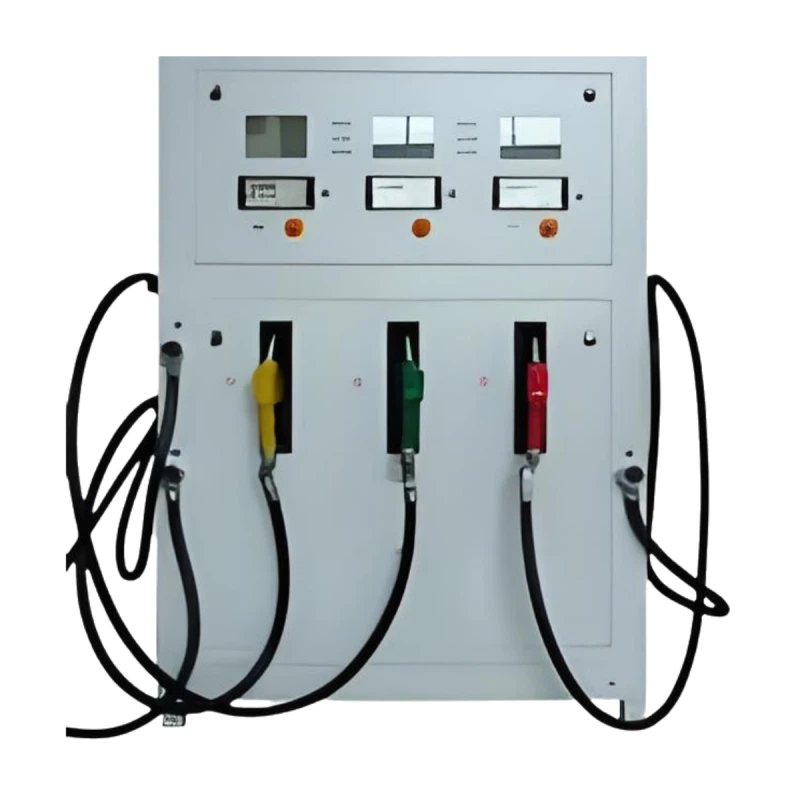
The Role of the Supplier
As a supplier for mini petrol stations, I play a crucial role in helping them deal with competition. I provide them with high - quality fuel products that meet the industry standards. I also offer competitive pricing based on their volume of purchases, which helps them to keep their costs down.
In addition, I offer technical support and training to the station staff. This includes training on fuel handling, storage, and safety procedures. By ensuring that the station staff is well - trained, I help to maintain the quality of service at the station, which is essential for competing in the market.
I also keep the mini petrol stations informed about the latest industry trends and developments. This includes information about new fuel products, emerging technologies, and regulatory changes. By providing them with this information, I help them to make informed decisions and adapt to the changing market conditions.
Conclusion
Competition in the fuel industry is fierce, but mini petrol stations have several strategies at their disposal to compete effectively. By offering differentiated services, adopting competitive pricing, focusing on location and accessibility, embracing technology, and forming partnerships, they can not only survive but also thrive in the market.
As a supplier, I am committed to supporting mini petrol stations in their journey to compete. I believe that by working together, we can create a sustainable future for these small - scale operations. If you are interested in learning more about our products and services for Mini Petrol Station or Mini Diesel Station, please feel free to reach out for a procurement discussion.
References
- "The Future of the Fuel Industry," Energy Research Institute, 2023.
- "Competition in the Retail Fuel Market," Market Analysis Report, 2022.
- "Strategies for Small - Scale Fuel Stations," Business Journal of the Fuel Sector, 2021.