As a supplier for mini petrol stations, I've witnessed firsthand the unique challenges and requirements when it comes to fuel storage. In this blog, I'll delve into the science and best practices of how mini petrol stations store fuel, ensuring safety, efficiency, and compliance.
The Basics of Fuel Storage at Mini Petrol Stations
Mini petrol stations, like their larger counterparts, need to store fuel in a way that prevents spills, leaks, and contamination. The fuel stored at these stations is typically gasoline or diesel, both of which are highly flammable and pose environmental risks if not handled properly.
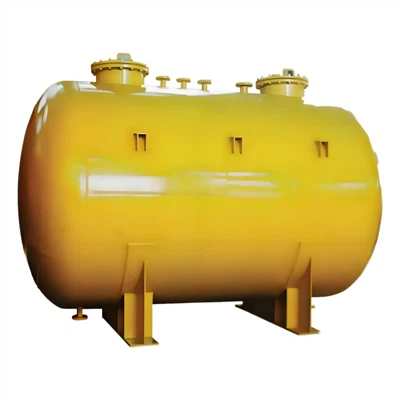
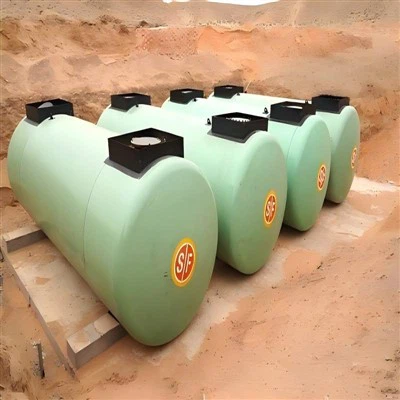
One of the primary considerations for fuel storage is the choice of storage tanks. Mini petrol stations often use underground storage tanks (USTs) due to their space - saving nature and reduced risk of physical damage. USTs are usually made of steel or fiberglass. Steel tanks are strong and durable, but they are susceptible to corrosion over time. Fiberglass tanks, on the other hand, are corrosion - resistant and lightweight, making them a popular choice for mini petrol stations.
The size of the storage tanks at mini petrol stations is generally smaller compared to large - scale petrol stations. This is because mini petrol stations usually serve a more limited customer base, such as a small community or a specific commercial area. The capacity of these tanks can range from a few hundred to a few thousand liters, depending on the expected demand.
Safety Measures in Fuel Storage
Safety is of utmost importance when it comes to fuel storage at mini petrol stations. There are several safety measures in place to prevent accidents and protect the environment.
Leak Detection Systems
USTs are equipped with leak detection systems to monitor for any signs of fuel leakage. These systems can be either continuous or periodic. Continuous leak detection systems use sensors to constantly monitor the level of fuel in the tank and detect any sudden drops, which could indicate a leak. Periodic leak detection involves conducting regular tests, such as pressure tests or tank tightness tests, to check for leaks.
Secondary Containment
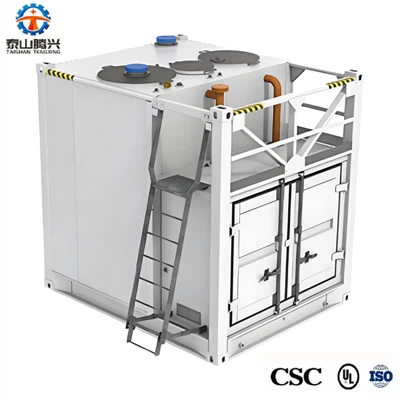
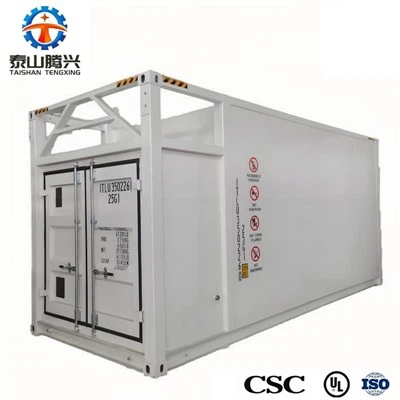
Secondary containment is another crucial safety feature. It involves creating an additional barrier around the storage tank to contain any potential fuel spills. This can be in the form of a double - walled tank, where an outer shell surrounds the inner tank, or a containment basin that can hold the entire volume of the tank in case of a leak.
Fire Protection
Fire protection is essential at mini petrol stations. The storage area is typically equipped with fire - suppression systems, such as sprinklers or foam extinguishers. Additionally, the tanks are often located at a safe distance from other structures and are surrounded by fire - resistant barriers to prevent the spread of fire in case of an accident.
Environmental Considerations
Fuel storage at mini petrol stations also has significant environmental implications. Leaks and spills can contaminate soil and groundwater, posing a threat to the local ecosystem and human health.
Spill Prevention and Response
Mini petrol stations must have a spill prevention and response plan in place. This includes regular inspections of the storage tanks and equipment to identify and address any potential issues before they lead to a spill. In case of a spill, the station should have the necessary equipment and trained personnel to contain and clean up the spill quickly.
Vapor Recovery
Vapor recovery is an important environmental measure. When fuel is dispensed from the storage tank into a vehicle, vapors are released into the atmosphere. These vapors contain harmful pollutants, such as volatile organic compounds (VOCs). Mini petrol stations can install vapor recovery systems to capture these vapors and prevent them from being released into the air.
Regulatory Compliance
Mini petrol stations are subject to a variety of regulations regarding fuel storage. These regulations are designed to ensure the safety of the public, protect the environment, and maintain the quality of the fuel.
Local and National Regulations
Local and national governments have specific regulations regarding the design, installation, and operation of fuel storage tanks. These regulations cover aspects such as tank construction materials, leak detection requirements, and safety distances from other structures. Mini petrol stations must comply with these regulations to obtain and maintain their operating licenses.
Industry Standards
In addition to government regulations, the fuel industry also has its own set of standards and best practices. These standards are developed by industry organizations and are often more stringent than the minimum regulatory requirements. By following these industry standards, mini petrol stations can ensure the highest level of safety and efficiency in their fuel storage operations.
The Role of a Supplier in Fuel Storage
As a supplier for Mini Petrol Station and Mini Diesel Station, I play a crucial role in ensuring that the fuel storage at these stations is safe and efficient.
Tank Selection and Installation
I assist mini petrol stations in selecting the right storage tanks based on their specific needs and requirements. This includes considering factors such as tank capacity, material, and installation location. I also ensure that the tanks are installed correctly, following all relevant safety and regulatory guidelines.
Fuel Delivery and Monitoring
I am responsible for delivering fuel to the mini petrol stations in a timely and safe manner. I also monitor the fuel levels in the storage tanks to ensure that the stations do not run out of fuel. In addition, I provide regular maintenance and inspection services to the storage tanks and equipment to ensure their proper functioning.
Training and Support
I offer training and support to the staff at mini petrol stations on fuel storage safety and best practices. This includes training on leak detection, spill response, and fire safety. I also provide ongoing technical support to address any issues or concerns that may arise.
Conclusion
Fuel storage at mini petrol stations is a complex process that requires careful consideration of safety, environmental, and regulatory factors. By choosing the right storage tanks, implementing proper safety measures, and complying with regulations, mini petrol stations can ensure the safe and efficient storage of fuel. As a supplier, I am committed to providing the best products and services to support mini petrol stations in their fuel storage operations.


If you are interested in setting up or upgrading a mini petrol station, I invite you to contact me for more information and to discuss your specific needs. We can work together to ensure that your fuel storage system meets all safety and regulatory requirements, while also being cost - effective and efficient.
References
- American Petroleum Institute (API). (Year). API Standards for Fuel Storage Tanks.
- Environmental Protection Agency (EPA). (Year). Regulations for Underground Storage Tanks.
- National Fire Protection Association (NFPA). (Year). NFPA Codes for Fire Protection in Fuel Storage Facilities.