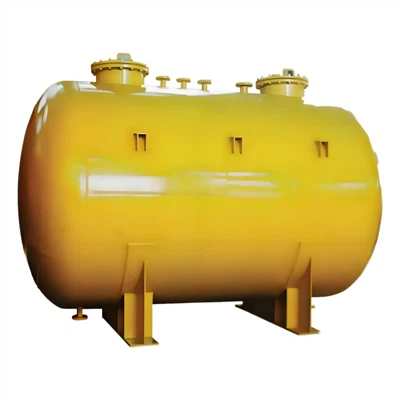
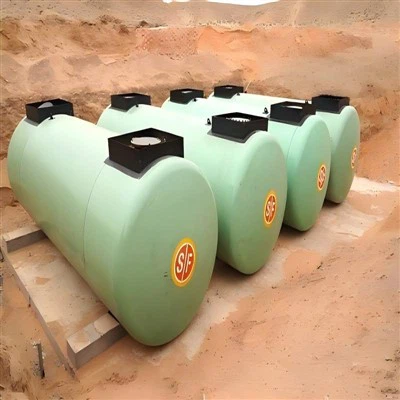
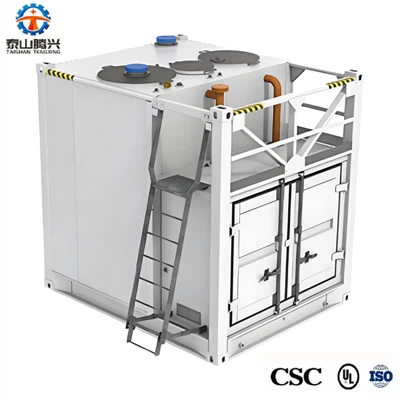
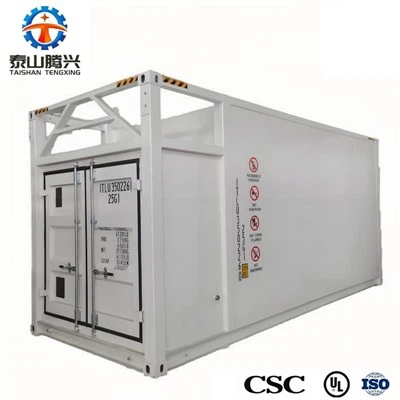
Hey there! I'm a supplier of Mobile Gasoline Stations, and in this blog, I'm gonna share with you how we transport fuel safely. It's a crucial aspect of our business, and I think it's super important for everyone to understand the process.
Understanding the Risks
First off, we've gotta recognize the risks associated with transporting fuel. Gasoline is highly flammable, and any small mistake during transportation can lead to disastrous consequences, like fires or explosions. That's why we take every precaution to ensure the safety of our operations.
One of the main risks is spillage. If gasoline spills during transportation, it not only causes environmental pollution but also creates a significant fire hazard. To prevent this, our Mobile Gasoline Stations are equipped with state - of - the - art containment systems. These systems are designed to hold any potential spills and prevent them from spreading.
Another risk is static electricity. When gasoline flows through pipes and tanks, static electricity can build up. If this static discharge occurs near a source of ignition, it can trigger an explosion. To combat this, we've installed grounding devices on all our Mobile Gasoline Stations. These devices allow the static electricity to safely dissipate into the ground, reducing the risk of an ignition.
Specialized Mobile Gasoline StationsMobile Gasoline Station
As a supplier, we focus on providing high - quality Mobile Gasoline Stations that are built for safe fuel transport. These stations are made from robust materials that can withstand the rigors of transportation. Our tanks are constructed from corrosion - resistant steel or other specialized alloys to prevent leaks over time.
We also make sure that our Mobile Gasoline Stations are equipped with proper valves and fittings. These components play a vital role in controlling the flow of gasoline and preventing any unauthorized or accidental discharge. The valves are regularly inspected and maintained to ensure they're in perfect working condition.
Moreover, our Mobile Gasoline Stations are designed with safety features such as pressure relief valves. These valves automatically open when the pressure inside the tank reaches a dangerous level, preventing the tank from rupturing.


Transportation Procedures
When it comes to transporting fuel, we follow a strict set of procedures. Before each journey, our drivers conduct a thorough pre - trip inspection of the Mobile Gasoline Station. They check for any visible signs of damage, such as dents, cracks, or leaks. They also verify that all the safety devices are functioning correctly.
During the journey, the drivers are trained to drive carefully and avoid sudden stops or sharp turns. Aggressive driving can cause the gasoline to slosh around inside the tank, increasing the risk of spills or static electricity buildup. Our drivers are also educated on the importance of maintaining a safe distance from other vehicles to minimize the risk of a collision.
In addition, we have a real - time monitoring system in place. This system allows us to track the location, temperature, and pressure of the fuel inside the Mobile Gasoline Station at all times. If there's any abnormal reading, we can immediately take action to address the issue.
Storage and Transfer
At the storage facility, our Mobile Gasoline Stations are stored in a designated area that's away from potential sources of ignition, such as electrical equipment or open flames. The area is well - ventilated to prevent the accumulation of gasoline vapors.
When transferring fuel from the storage tank to the Mobile Gasoline Station, we use approved transfer equipment. This equipment is designed to minimize the risk of spills and static electricity. For example, we use flexible hoses that are grounded to prevent static buildup during the transfer process.
Employee Training
All our employees, from the drivers to the maintenance staff, undergo comprehensive training on fuel safety. They're taught about the properties of gasoline, the risks associated with fuel transport, and the proper procedures to follow in case of an emergency.
Our training programs are updated regularly to incorporate the latest safety standards and best practices. We also conduct regular drills to ensure that our employees are prepared to handle any unexpected situations, such as a fire or a fuel spill.
Communication and Coordination
Effective communication and coordination are key to safe fuel transport. We maintain open lines of communication with our drivers, the storage facility staff, and other relevant parties. This allows us to quickly address any issues that may arise during the transportation process.
We also work closely with local authorities and emergency response teams. In case of an emergency, we can quickly notify them and provide them with all the necessary information to handle the situation safely and efficiently.
Comparison with Other OptionsMobile Filling Station Portable Gasoline Station
When considering fuel transport options, Mobile Gasoline Stations offer several advantages over traditional fixed - fuel stations. They're more flexible and can be easily transported to different locations as needed. This is especially useful for industries that require fuel in remote or hard - to - reach areas.
Compared to Mobile Filling Station and Portable Gasoline Station, our Mobile Gasoline Stations are built to the highest safety standards. We use advanced technologies and materials to ensure the safe and reliable transport of fuel.
Conclusion
In conclusion, transporting fuel with Mobile Gasoline Stations requires a combination of specialized equipment, strict procedures, well - trained employees, and effective communication. At our company, we're committed to providing the safest and most reliable fuel transport solutions.
If you're in need of a Mobile Gasoline Station or are interested in learning more about our products and services for safe fuel transportation, we invite you to contact us for a procurement discussion. We'll be more than happy to answer all your questions and provide you with the best possible solutions for your needs.
References
- ASTM International standards on fuel storage and transportation.
- Department of Transportation guidelines for fuel transport safety.
- Industry best - practices manuals on mobile fuel station safety.