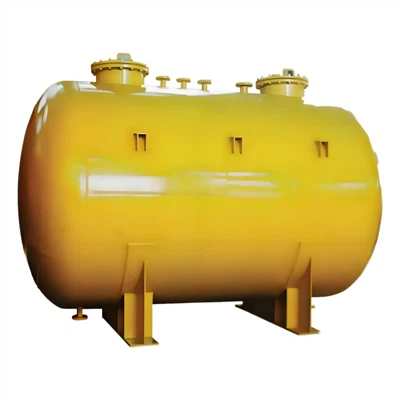
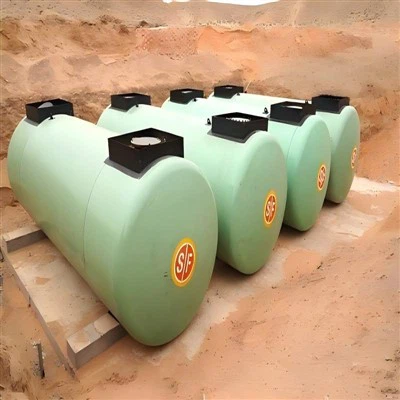
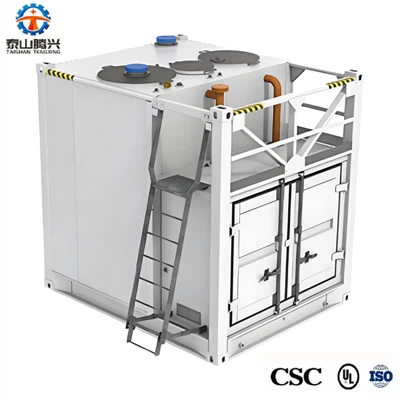
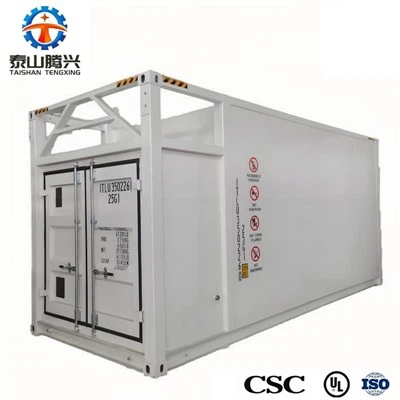
When dealing with the storage and transportation of fuel, the quality of the container is of utmost importance. As a supplier of ISO Fuel Containers, I understand the significance of ensuring that our products meet the highest standards. In this blog post, I will share some key aspects on how to check the quality of an ISO Fuel Container.
1. Structural Integrity
The first step in assessing the quality of an ISO Fuel Container is to examine its structural integrity. This involves a thorough inspection of the container's frame, shell, and fittings.


Frame Inspection
The frame of the ISO Fuel Container provides the primary support structure. It should be made of high - strength steel that can withstand the rigors of transportation and handling. Check for any signs of cracks, bends, or corrosion on the frame. Cracks can significantly weaken the structure, while bends may indicate previous mishandling or overloading. Corrosion, especially in areas prone to moisture accumulation, can eat away at the steel over time, compromising the container's strength.
Shell Examination
The shell of the container is where the fuel is stored. It should be seamless and free from any visible defects such as dents, scratches, or holes. A seamless shell reduces the risk of fuel leakage. Dents and scratches can weaken the shell and may lead to stress concentrations, which could eventually cause the shell to fail. Holes, even small ones, are a serious concern as they can result in fuel spills, which are not only wasteful but also pose a significant safety hazard.
Fitting Checks
All fittings, including valves, manholes, and vents, should be properly installed and in good working condition. Valves should open and close smoothly, and there should be no signs of leakage around the valve stems. Manholes should have a tight - fitting cover to prevent any unauthorized access or fuel leakage. Vents are crucial for maintaining the correct pressure inside the container, so they should be clear of any blockages.
2. Material Quality
The materials used in the construction of an ISO Fuel Container play a vital role in determining its quality and durability.
Steel Grade
The steel used for the frame and shell should be of a high - quality grade that is resistant to corrosion and has sufficient strength. For example, some ISO Fuel Containers are made from stainless steel, which offers excellent corrosion resistance, especially when transporting fuels that may be corrosive. The steel should also meet the relevant international standards, such as those set by the International Organization for Standardization (ISO).
Coating
A good quality ISO Fuel Container will have a protective coating on the exterior and interior surfaces. The exterior coating helps to prevent corrosion from environmental factors such as rain, humidity, and saltwater (if the container is used in coastal areas). The interior coating is important for protecting the fuel from contaminants and preventing the container from being corroded by the fuel itself. The coating should be evenly applied and have no signs of peeling, cracking, or blistering.
3. Compliance with Standards
ISO Fuel Containers must comply with a range of international and national standards.
ISO Standards
The International Organization for Standardization has set a series of standards for ISO Fuel Containers, covering aspects such as dimensions, design, and testing. A high - quality container should meet these ISO standards. For example, ISO 1496 specifies the general requirements for the design, construction, testing, and marking of freight containers. Compliance with these standards ensures that the container is safe, reliable, and compatible with the global transportation infrastructure.
National Regulations
In addition to ISO standards, the container must also comply with the national regulations of the countries where it will be used or transported. These regulations may cover areas such as safety, environmental protection, and transportation requirements. For example, some countries have strict regulations regarding the maximum allowable fuel capacity in a container and the safety features that must be installed.
4. Testing and Certification
A reliable ISO Fuel Container should come with proper testing and certification.
Pressure Testing
Pressure testing is an important part of the quality control process. The container should be tested to ensure that it can withstand the maximum pressure that it may encounter during normal use. This is typically done by filling the container with water and applying a specified pressure for a certain period of time. If there are any leaks or structural failures during the pressure test, the container is considered to be of poor quality.
Leak Testing
Leak testing is also crucial to ensure that the container does not leak fuel. There are several methods for leak testing, such as using a pressure - decay test or a helium leak detector. A container that passes the leak test is more likely to be a high - quality product.
Certification
A high - quality ISO Fuel Container should be accompanied by a valid certification from a recognized testing agency. This certification indicates that the container has been tested and meets the relevant standards. When purchasing an ISO Fuel Container, it is important to ask for this certification to ensure that you are getting a product of good quality.
5. Documentation and Traceability
Proper documentation is essential for ensuring the quality of an ISO Fuel Container.
Manufacturing Records
The manufacturer should keep detailed records of the manufacturing process, including the materials used, the production date, and the testing results. These records can be used to trace the history of the container and to identify any potential quality issues. For example, if there is a problem with a particular batch of containers, the manufacturing records can help to determine the root cause of the problem.
Maintenance and Inspection Records
In addition to manufacturing records, it is also important to keep maintenance and inspection records. Regular maintenance and inspections can help to identify and address any potential problems before they become serious. These records can also provide evidence of the container's proper care and maintenance, which is important for ensuring its long - term quality.
As a supplier of ISO Fuel Container, we are committed to providing high - quality products that meet all the necessary standards. Our 20FT Tank Container is designed and manufactured with the latest technology and strict quality control measures. If you are in the market for a reliable ISO Fuel Container, we invite you to contact us for more information and to discuss your specific requirements. We look forward to the opportunity to work with you and to provide you with the best possible solution for your fuel storage and transportation needs.
References
- International Organization for Standardization (ISO). ISO 1496 - General requirements for the design, construction, testing, and marking of freight containers.
- National transportation and safety regulations of relevant countries.