Installing a leak detection system for an underground fuel tank is crucial for ensuring environmental safety and preventing costly fuel losses. As an underground fuel tank supplier, I've seen firsthand the importance of a proper leak detection setup. In this blog, I'll walk you through the steps to install such a system.
Why You Need a Leak Detection System
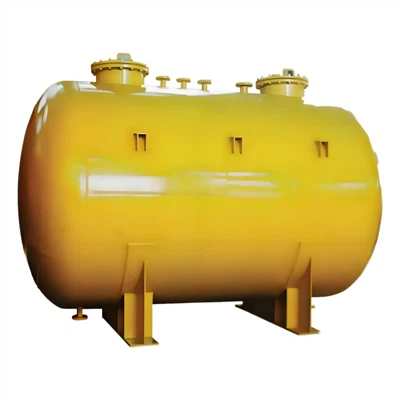
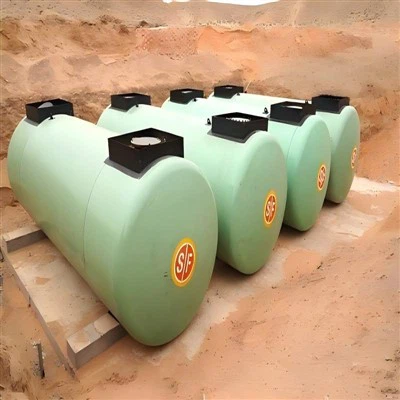
First off, let's talk about why you even need a leak detection system. Underground fuel tanks, whether they're Underground Diesel Tank, Underground Gasoline Tank, or Underground Petrol Tank, can develop leaks over time. These leaks can contaminate the soil and groundwater, leading to serious environmental problems. Plus, it's a waste of fuel, which means lost money for you.
Types of Leak Detection Systems
There are a few different types of leak detection systems out there. One common type is the automatic line leak detector (ALLD). This device monitors the fuel lines for any signs of a leak. It can detect small leaks and shut off the fuel flow if necessary. Another type is the tank integrity monitor, which checks the tank itself for leaks. It uses sensors to measure the level of fuel in the tank and can detect if there's a sudden drop, which could indicate a leak.
Step 1: Choose the Right System
The first step in installing a leak detection system is to choose the right one for your underground fuel tank. You'll need to consider a few factors, like the size of your tank, the type of fuel it stores, and your budget. If you're not sure which system is best for you, don't hesitate to give us a shout. We've got a team of experts who can help you make the right choice.
Step 2: Gather Your Tools and Materials
Once you've chosen your leak detection system, it's time to gather the tools and materials you'll need for the installation. This usually includes things like wrenches, screwdrivers, pipe cutters, and of course, the leak detection system itself. Make sure you have everything you need before you start the installation to avoid any delays.
Step 3: Prepare the Tank and Area
Before you start installing the leak detection system, you need to prepare the tank and the surrounding area. First, make sure the tank is empty or at least as empty as possible. This will make the installation process safer and easier. Next, clean the area around the tank to remove any dirt, debris, or fuel spills. You'll also need to make sure there's enough space to work around the tank and that you have access to all the necessary connections.
Step 4: Install the Sensors
The next step is to install the sensors for the leak detection system. This usually involves drilling holes in the tank or the fuel lines and inserting the sensors. Make sure you follow the manufacturer's instructions carefully when installing the sensors to ensure they work properly. Once the sensors are installed, you'll need to connect them to the control unit of the leak detection system.
Step 5: Connect the Control Unit
The control unit is the brain of the leak detection system. It receives the signals from the sensors and alerts you if there's a leak. To connect the control unit, you'll need to run wires from the sensors to the control unit. Make sure the wires are properly insulated and secured to prevent any electrical problems. Once the wires are connected, you'll need to power up the control unit and test it to make sure it's working properly.


Step 6: Test the System
After you've installed and connected the leak detection system, it's time to test it. This involves filling the tank with fuel and monitoring the system to make sure it can detect any leaks. You can do a simple test by adding a small amount of water to the tank and seeing if the system alerts you. If the system doesn't detect the water, there may be a problem with the installation or the sensors. In this case, you'll need to go back and check your work.
Step 7: Maintain the System
Once the leak detection system is installed and working properly, you need to maintain it regularly. This includes checking the sensors and the control unit for any signs of damage or wear, and replacing any parts that are worn out. You'll also need to test the system periodically to make sure it's still working correctly. Regular maintenance will help ensure that your leak detection system is always ready to detect any leaks and protect your underground fuel tank.
Conclusion
Installing a leak detection system for your underground fuel tank is an important step in protecting the environment and your bottom line. By following these steps, you can ensure that your leak detection system is installed correctly and working properly. If you have any questions or need help with the installation, don't hesitate to reach out. We're here to help you every step of the way. Whether you're in the market for a new Underground Diesel Tank, Underground Gasoline Tank, or Underground Petrol Tank, or you just need a leak detection system, we've got you covered. Contact us today to start the conversation about your fuel tank needs.
References
- U.S. Environmental Protection Agency. (2023). Underground Storage Tanks.
- National Fire Protection Association. (2023). NFPA 30: Flammable and Combustible Liquids Code.