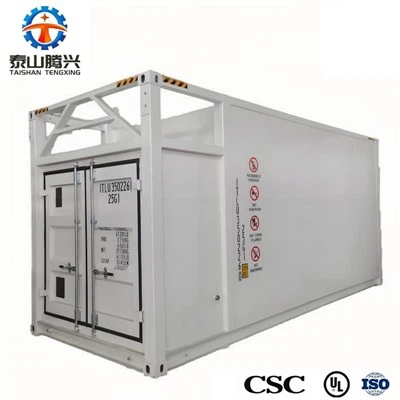
Maintaining a 20FT tank container is crucial for ensuring its longevity, safety, and optimal performance. As a 20FT tank container supplier, I understand the significance of proper maintenance in the industry. In this blog, I will share some essential tips on how to maintain a 20FT tank container effectively.
Regular Inspections
Regular inspections are the cornerstone of maintaining a 20FT tank container. These inspections should be conducted at scheduled intervals to identify any potential issues early on. A comprehensive inspection includes checking the exterior and interior of the container, as well as its components.
- Exterior Inspection: Start by examining the exterior of the container for any signs of damage, such as dents, scratches, or corrosion. Check the structural integrity of the frame, doors, and hatches. Look for loose or missing bolts, nuts, and other fasteners. Inspect the paint finish for any signs of peeling or chipping, as this can expose the metal to corrosion.
- Interior Inspection: Inspect the interior of the container for any signs of contamination, such as residue, debris, or leaks. Check the integrity of the tank lining, if applicable. Look for any signs of damage to the baffles, manways, or other internal components. Ensure that the ventilation system is functioning properly to prevent the buildup of hazardous gases.
- Component Inspection: Inspect the valves, fittings, and other components of the container for any signs of wear or damage. Check the seals and gaskets for leaks. Ensure that the pressure relief valves are functioning properly and are set to the correct pressure. Test the gauges and sensors to ensure accurate readings.
Cleaning and Sanitization
Proper cleaning and sanitization are essential for maintaining the hygiene and safety of a 20FT tank container. Regular cleaning helps prevent the buildup of contaminants, which can affect the quality of the cargo and pose a risk to human health.


- Pre-Cleaning Inspection: Before cleaning the container, conduct a pre-cleaning inspection to identify any areas that require special attention. Remove any loose debris or residue from the interior of the container using a vacuum cleaner or a brush.
- Cleaning Process: Use a suitable cleaning agent and equipment to clean the interior and exterior of the container. Follow the manufacturer's instructions for the cleaning agent and ensure that it is compatible with the materials used in the container. Use a pressure washer or a scrub brush to remove stubborn stains and contaminants. Rinse the container thoroughly with clean water to remove any remaining cleaning agent.
- Sanitization: After cleaning, sanitize the container to kill any remaining bacteria, viruses, or other microorganisms. Use a sanitizing agent that is approved for use in food-grade containers, if applicable. Follow the manufacturer's instructions for the sanitizing agent and ensure that it is left on the surface for the recommended amount of time. Rinse the container thoroughly with clean water to remove any remaining sanitizing agent.
Maintenance of Components
The components of a 20FT tank container play a crucial role in its performance and safety. Regular maintenance of these components helps ensure their proper functioning and extends their lifespan.
- Valves and Fittings: Inspect the valves and fittings regularly for any signs of wear or damage. Replace any worn or damaged valves or fittings immediately. Lubricate the valves and fittings as recommended by the manufacturer to ensure smooth operation.
- Seals and Gaskets: Check the seals and gaskets regularly for any signs of leaks or damage. Replace any worn or damaged seals or gaskets immediately. Ensure that the seals and gaskets are properly installed and tightened to prevent leaks.
- Pressure Relief Valves: Test the pressure relief valves regularly to ensure that they are functioning properly. Follow the manufacturer's instructions for testing the pressure relief valves and ensure that they are set to the correct pressure. Replace any worn or damaged pressure relief valves immediately.
- Gauges and Sensors: Calibrate the gauges and sensors regularly to ensure accurate readings. Follow the manufacturer's instructions for calibrating the gauges and sensors. Replace any worn or damaged gauges or sensors immediately.
Storage and Transportation
Proper storage and transportation are essential for maintaining the integrity of a 20FT tank container. Following these guidelines helps prevent damage to the container and ensures the safety of the cargo.
- Storage: Store the container in a dry, clean, and well-ventilated area. Protect the container from extreme temperatures, humidity, and direct sunlight. Ensure that the container is properly supported and secured to prevent it from tipping over or being damaged.
- Transportation: When transporting the container, ensure that it is properly secured to the vehicle or trailer. Use appropriate restraints and tie-downs to prevent the container from shifting or moving during transit. Follow the transportation regulations and guidelines for the type of cargo being transported.
Training and Education
Proper training and education are essential for ensuring that the maintenance of a 20FT tank container is carried out correctly. Training should cover the inspection, cleaning, maintenance, and repair procedures for the container and its components.
- Operator Training: Provide training to the operators who will be using the container. Training should cover the safe operation of the container, including the proper use of the valves, fittings, and other components. Operators should also be trained on the inspection, cleaning, and maintenance procedures for the container.
- Maintenance Training: Provide training to the maintenance personnel who will be responsible for maintaining the container. Training should cover the inspection, cleaning, maintenance, and repair procedures for the container and its components. Maintenance personnel should also be trained on the use of the tools and equipment required for maintenance.
- Safety Training: Provide safety training to all personnel who will be working with the container. Training should cover the hazards associated with the container and its cargo, as well as the safety procedures for handling and maintaining the container.
Conclusion
Maintaining a 20FT tank container is essential for ensuring its longevity, safety, and optimal performance. Regular inspections, cleaning, and maintenance of the container and its components are crucial for preventing damage and ensuring the safety of the cargo. By following the tips outlined in this blog, you can effectively maintain your 20FT tank container and extend its lifespan.
If you are interested in purchasing a 20FT Tank Container or an ISO Fuel Container, please feel free to contact us for more information. We are a leading supplier of high-quality tank containers and can provide you with the best solutions for your needs.
References
- American Society of Mechanical Engineers (ASME). Boiler and Pressure Vessel Code.
- International Organization for Standardization (ISO). ISO 1496-3:2016. Series 1 freight containers - Specification and testing - Part 3: Tank containers.
- Occupational Safety and Health Administration (OSHA). Hazardous Waste Operations and Emergency Response (HAZWOPER) Standard.