Hey there! I'm a supplier of 40 FT ISO Tanks, and today I want to talk about the ventilation requirements for a 40 FT ISO Tank storage area. It's a crucial topic because proper ventilation ensures the safety of the tanks, the stored materials, and the people working around them.
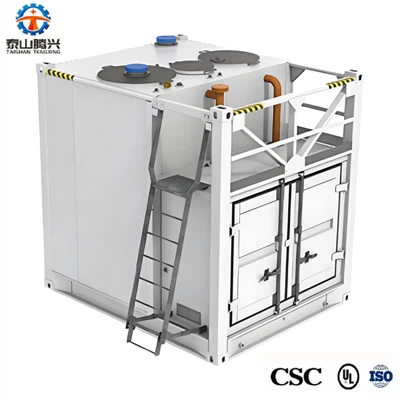
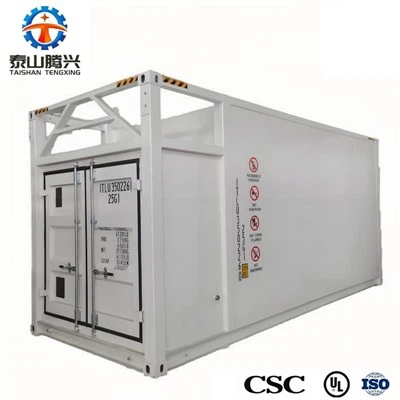
First off, let's understand what a 40 FT ISO Tank is. A 40 FT ISO Tank is a standardized container used for transporting and storing various types of liquids and gases. These tanks are designed to meet international standards, which makes them suitable for global trade. They're big, sturdy, and can hold a significant amount of product.
Now, why is ventilation so important in a storage area for these tanks? Well, many of the substances stored in 40 FT ISO Tanks can be hazardous. For example, some chemicals can release flammable vapors, while others might emit toxic fumes. Without proper ventilation, these vapors and fumes can build up to dangerous levels, increasing the risk of explosions, fires, or health problems for workers.
One of the primary ventilation requirements is to ensure that the air in the storage area is constantly refreshed. This means having a system in place that can bring in fresh air and remove the contaminated air. The ventilation rate, which is usually measured in air changes per hour (ACH), is a key factor. The ACH indicates how many times the entire volume of air in the storage area is replaced within an hour.
For a 40 FT ISO Tank storage area, the recommended ACH can vary depending on several factors. If the tanks are storing highly volatile or toxic substances, a higher ACH might be required. Generally, a minimum of 6 to 8 ACH is a good starting point for most storage areas. However, for areas storing extremely hazardous materials, this number could go up to 12 or more.
There are two main types of ventilation systems that can be used in a 40 FT ISO Tank storage area: natural ventilation and mechanical ventilation.
Natural ventilation relies on the natural movement of air through openings in the building, such as windows, vents, and doors. It's a simple and cost - effective option, but it has its limitations. Natural ventilation is highly dependent on external weather conditions, like wind speed and direction. If there's no wind or if the wind is blowing in the wrong direction, the ventilation might not be sufficient. Also, in areas where the temperature needs to be controlled, natural ventilation might not be able to maintain the right conditions.
Mechanical ventilation, on the other hand, uses fans and ducts to move air in and out of the storage area. This type of system offers more control over the ventilation rate and can work regardless of the weather. There are different types of mechanical ventilation systems, such as exhaust - only systems, supply - only systems, and balanced systems.
An exhaust - only system uses fans to draw the contaminated air out of the storage area. This creates a negative pressure inside the building, which causes fresh air to enter through the openings. Supply - only systems, as the name suggests, use fans to blow fresh air into the area, creating a positive pressure. A balanced system combines both exhaust and supply fans to ensure a more even distribution of air.
When designing a ventilation system for a 40 FT ISO Tank storage area, it's important to consider the layout of the tanks. The tanks should be arranged in a way that allows for proper air circulation. For example, there should be enough space between the tanks to prevent the formation of stagnant air pockets. Also, the ventilation inlets and outlets should be strategically placed to ensure that the air reaches all parts of the storage area.
Another important aspect is the monitoring of the ventilation system. Regular inspections should be carried out to make sure that the fans are working properly, the ducts are not blocked, and the ventilation rate is maintained. It's also a good idea to install gas detectors in the storage area. These detectors can alert the workers if the levels of hazardous gases are approaching dangerous limits.


In addition to the technical aspects of ventilation, safety regulations and standards must be followed. Different countries and regions have their own set of rules regarding the ventilation of storage areas for hazardous materials. As a 40 FT ISO Container supplier, I always advise my customers to consult with local authorities and experts to ensure that their storage areas comply with all the relevant regulations.
Proper ventilation is also beneficial for the longevity of the 40 FT ISO Tanks themselves. If the air in the storage area is too humid or contains corrosive substances, it can damage the tanks over time. A well - ventilated area helps to keep the tanks in good condition, reducing the risk of leaks and other problems.
To sum it up, ventilation is a critical factor in a 40 FT ISO Tank storage area. It helps to maintain a safe environment for both the workers and the stored materials. Whether you choose natural or mechanical ventilation, make sure to design a system that meets the specific needs of your storage area and complies with all the safety regulations.
If you're in the market for 40 FT ISO Tanks or need advice on setting up a proper storage area with the right ventilation, I'd love to help. Just reach out to me, and we can start a conversation about your requirements. Let's work together to ensure that your storage solution is not only safe but also efficient.
References:
- OSHA (Occupational Safety and Health Administration) guidelines on ventilation in hazardous material storage areas.
- International standards for ISO tank containers and their storage requirements.