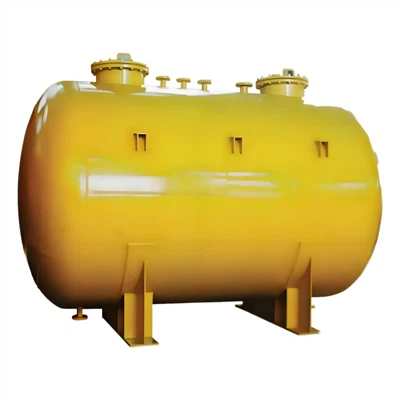
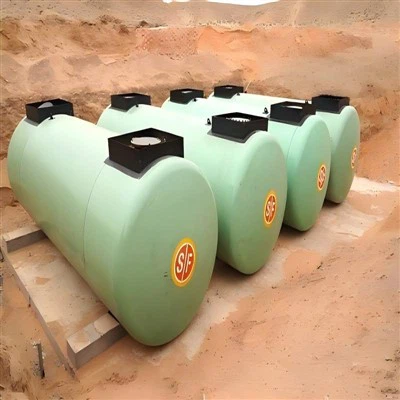
Hey there! I'm an underground diesel tank supplier, and I've seen firsthand how nearby construction can have a real impact on these essential storage units. In this blog, I'll break down the various ways construction work in the vicinity can affect an underground diesel tank and what you can do to mitigate these issues.
Physical Damage
One of the most obvious impacts of nearby construction is the risk of physical damage to the underground diesel tank. Construction activities often involve heavy machinery, excavation, and the use of powerful tools. If these operations are not carefully planned and executed, they can cause direct damage to the tank.
For example, a backhoe or a pile driver could accidentally strike the tank while digging or driving piles. This can lead to dents, punctures, or even complete rupture of the tank. Even minor damage can compromise the integrity of the tank and lead to leaks over time. Leaking diesel not only poses a significant environmental hazard but can also result in financial losses due to the loss of fuel.


To prevent physical damage, it's crucial to have a clear understanding of the location of the underground diesel tank before any construction work begins. This can be achieved through proper mapping and marking of the tank's position. Construction crews should also be informed about the presence of the tank and provided with guidelines on how to work safely around it.
Ground Movement
Another significant impact of nearby construction is ground movement. Construction activities such as excavation, filling, and compaction can cause the ground to shift and settle. This can put stress on the underground diesel tank and its associated piping systems.
If the ground movement is significant, it can cause the tank to tilt, crack, or even become misaligned. This can lead to leaks at the joints or connections of the tank and the piping. Additionally, ground movement can also damage the protective coating on the tank, exposing it to corrosion.
To minimize the effects of ground movement, it's important to ensure that the tank is properly installed and supported. The tank should be placed on a stable foundation and surrounded by suitable backfill material. Regular inspections should also be carried out during and after construction to detect any signs of ground movement or damage to the tank.
Vibration
Construction sites are often noisy places, and the vibration generated by heavy machinery can have a negative impact on underground diesel tanks. Prolonged exposure to high levels of vibration can cause fatigue and stress on the tank's structure.
Vibration can also loosen the connections and fittings of the tank and the piping, leading to leaks. In some cases, vibration can even cause the tank to resonate, which can further exacerbate the damage.
To reduce the effects of vibration, it's advisable to install vibration isolation measures around the tank. This can include using rubber pads or other damping materials to absorb the vibration. Construction crews should also be encouraged to use equipment with low vibration levels whenever possible.
Contamination
Nearby construction can also introduce contaminants into the underground diesel tank. Construction activities often generate dust, debris, and other pollutants that can find their way into the tank through the ventilation system or other openings.
Contaminants such as dirt, sand, and metal particles can cause abrasion and wear on the tank's internal components. They can also clog the filters and fuel lines, leading to reduced fuel flow and potential engine problems.
To prevent contamination, it's important to keep the tank's ventilation system and other openings covered during construction. Regular inspections should also be carried out to check for any signs of contamination in the fuel. If contamination is detected, appropriate measures should be taken to clean the tank and replace the contaminated fuel.
Water Ingress
Construction sites are often exposed to the elements, and heavy rain or flooding can occur during construction. If the underground diesel tank is not properly protected, water can ingress into the tank.
Water in the diesel fuel can cause corrosion of the tank and the associated components. It can also lead to the growth of bacteria and fungi, which can clog the filters and damage the fuel injection system. Additionally, water in the fuel can reduce its energy content and affect the performance of the engines.
To prevent water ingress, the tank should be installed at a suitable elevation and provided with proper drainage. The tank's lid and other openings should be sealed tightly to prevent water from entering. Regular inspections should also be carried out to check for any signs of water accumulation in the tank.
Mitigation Strategies
So, what can you do to protect your underground diesel tank from the impacts of nearby construction? Here are some mitigation strategies that you can consider:
- Pre-Construction Planning: Before any construction work begins, conduct a thorough assessment of the site and the location of the underground diesel tank. Develop a detailed plan that includes measures to protect the tank during construction.
- Communication and Coordination: Establish clear lines of communication with the construction contractor and ensure that they are aware of the presence of the underground diesel tank. Provide them with all the necessary information and guidelines on how to work safely around the tank.
- Regular Inspections: Conduct regular inspections of the underground diesel tank during and after construction to detect any signs of damage or problems. This can help you identify issues early and take appropriate action to prevent further damage.
- Emergency Response Plan: Develop an emergency response plan in case of a leak or other incident involving the underground diesel tank. The plan should include procedures for shutting off the fuel supply, containing the leak, and notifying the relevant authorities.
- Insurance Coverage: Make sure that your underground diesel tank is adequately insured against damage and other risks associated with nearby construction. Review your insurance policy regularly to ensure that it provides sufficient coverage.
Conclusion
In conclusion, nearby construction can have a significant impact on an underground diesel tank. Physical damage, ground movement, vibration, contamination, and water ingress are some of the common issues that can arise. However, by taking appropriate measures such as pre-construction planning, communication, regular inspections, and emergency response planning, you can minimize the risks and protect your investment.
If you're in the market for an Underground Diesel Tank, we're here to help. We offer a wide range of high-quality underground diesel tanks that are designed to meet your specific needs. Our tanks are built to last and come with a comprehensive warranty.
Whether you're looking for an Underground Petrol Tank or an Underground Gasoline Tank, we've got you covered. Contact us today to discuss your requirements and let us help you find the perfect solution for your fuel storage needs.
References
- American Petroleum Institute. (2019). Recommended Practice for Design and Installation of Underground Petroleum Storage Systems. API RP 1631.
- National Fire Protection Association. (2020). Flammable and Combustible Liquids Code. NFPA 30.
- Environmental Protection Agency. (2021). Underground Storage Tanks. Retrieved from https://www.epa.gov/ust