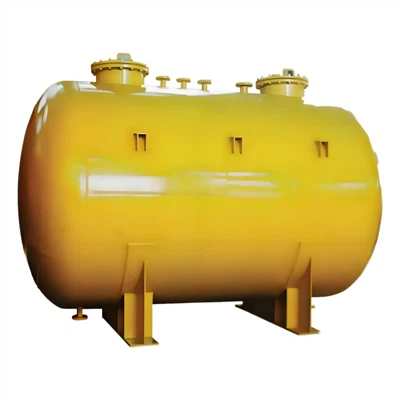
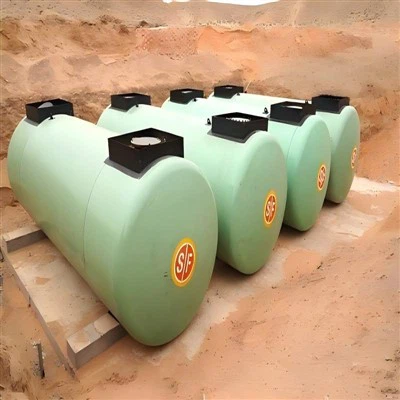
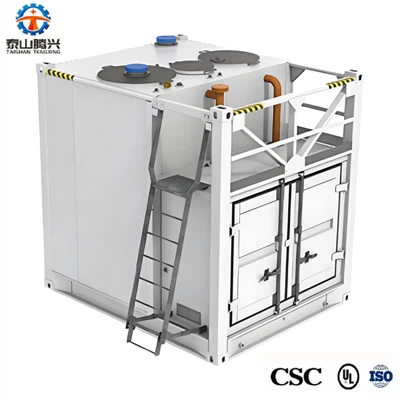
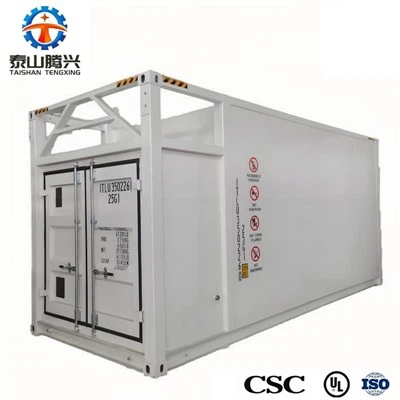
As a supplier of self-bunded fuel tanks, I've witnessed firsthand the complex interplay of factors that influence their pricing. In this blog, I'll delve into the key elements that determine the cost of a self-bunded fuel tank, offering insights for those in the market for these essential storage solutions.
Tank Capacity
One of the most significant factors affecting the price of a self-bunded fuel tank is its capacity. Larger tanks require more materials and labor to manufacture, which naturally drives up the cost. For example, a small self-bunded fuel tank with a capacity of 1,000 liters will generally be less expensive than a larger tank with a capacity of 10,000 liters. The increased volume not only means more steel or other tank materials but also more complex engineering to ensure structural integrity.
The manufacturing process for larger tanks is more involved, as they need to withstand greater internal pressure and external forces. Additionally, transportation costs for larger tanks are higher due to their size and weight. When considering tank capacity, it's important to balance your storage needs with your budget. While a larger tank may offer more storage space, it may not be necessary if your fuel consumption is relatively low.

Material Quality
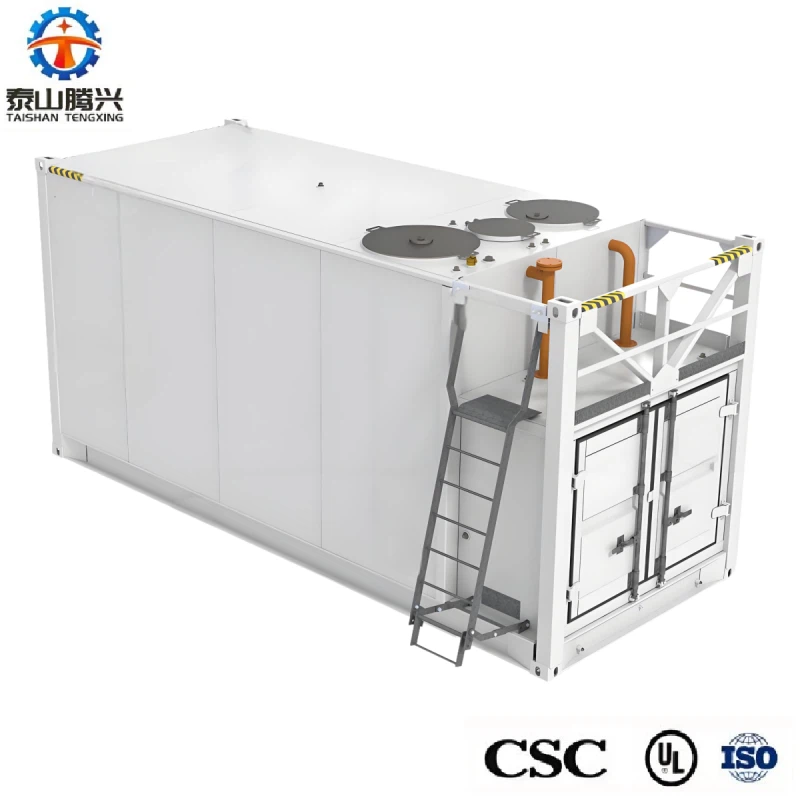
The quality of materials used in the construction of a self-bunded fuel tank has a direct impact on its price. High-quality materials, such as corrosion-resistant steel or advanced composite materials, are more expensive but offer better durability and longevity. For instance, tanks made from stainless steel are less prone to rust and corrosion compared to those made from mild steel, which can extend the tank's lifespan and reduce maintenance costs over time.
In addition to the primary tank material, the quality of the bund (the secondary containment structure) also matters. A well-constructed bund provides an extra layer of protection against fuel spills and environmental contamination. Some bunds are made from the same material as the tank, while others use specialized materials designed to resist chemical exposure. Investing in a tank with high-quality materials may cost more upfront but can save money in the long run by reducing the risk of costly repairs and replacements.
Design and Features
The design and features of a self-bunded fuel tank can significantly affect its price. Tanks with more advanced designs and additional features typically command a higher price. For example, a tank with a built-in monitoring system that tracks fuel levels, temperature, and pressure can provide valuable information and enhance safety. However, these features add to the manufacturing cost.
Other features that can increase the price include spill prevention devices, overfill protection, and easy-access hatches for maintenance. The shape and configuration of the tank can also impact the price. Custom-designed tanks that are tailored to specific site requirements or applications may be more expensive than standard off-the-shelf models. When evaluating the design and features of a tank, consider which ones are essential for your operation and which ones are nice-to-have but not necessary.
Compliance and Certification
Compliance with industry standards and regulations is a crucial factor in the pricing of self-bunded fuel tanks. Tanks that meet strict safety and environmental standards often cost more to manufacture due to the additional testing and certification processes involved. For example, tanks that are certified to meet international standards such as ISO 9001 or local environmental regulations may require more rigorous quality control measures.
Certification ensures that the tank is safe to use and meets all necessary requirements. It also provides peace of mind for the buyer, knowing that the tank has been thoroughly tested and approved. While compliance and certification may add to the cost of the tank, it is an important investment to avoid potential legal issues and ensure the safety of your operation.
Brand Reputation
The brand reputation of the tank manufacturer can also influence the price. Well-established brands with a history of producing high-quality products often charge a premium for their tanks. This is because they have built a reputation for reliability, durability, and excellent customer service. When you purchase a tank from a reputable brand, you are not only getting a quality product but also the assurance that you will receive support and assistance if needed.
However, it's important to note that brand reputation is not the only factor to consider when choosing a tank. There are many lesser-known manufacturers that offer high-quality tanks at a more competitive price. It's essential to do your research and compare different brands and models to find the best value for your money.
Market Conditions
Market conditions, such as supply and demand, raw material prices, and economic factors, can also impact the price of self-bunded fuel tanks. During periods of high demand, prices may increase as manufacturers struggle to keep up with orders. Conversely, during periods of low demand, prices may be more competitive as manufacturers try to attract customers.
Raw material prices, such as the cost of steel or other metals, can fluctuate based on global market trends. If the price of steel increases, the cost of manufacturing tanks will also rise, which may be passed on to the consumer. Economic factors, such as inflation and interest rates, can also affect the overall cost of a tank. Staying informed about market conditions can help you make a more informed purchasing decision.
Installation and Maintenance
The cost of installation and maintenance should also be considered when evaluating the price of a self-bunded fuel tank. Installation costs can vary depending on the complexity of the installation, the location of the tank, and any additional site preparation required. For example, installing a tank in a remote or difficult-to-access location may require more labor and equipment, which can increase the installation cost.
Maintenance costs, such as regular inspections, cleaning, and repairs, should also be factored into your budget. Tanks that require less maintenance or have longer maintenance intervals may be more cost-effective in the long run. Some manufacturers offer maintenance packages or warranties that can help reduce the overall cost of ownership.
In conclusion, the price of a self-bunded fuel tank is influenced by a variety of factors, including tank capacity, material quality, design and features, compliance and certification, brand reputation, market conditions, and installation and maintenance costs. When shopping for a tank, it's important to carefully consider each of these factors to ensure that you are getting the best value for your money.
If you're in the market for a self-bunded fuel tank, we offer a wide range of options to meet your needs. Our Self Bunded Petrol Fuel Tank, Self Bunded Diesel Fuel Tank, and Self Bunded Gasoline Tank are all designed and manufactured to the highest standards. We're here to help you find the right tank for your operation and provide you with the support and service you deserve. Contact us today to discuss your requirements and get a quote.
References
- Industry standards and regulations related to self-bunded fuel tanks
- Manufacturer brochures and product specifications
- Market research reports on the fuel tank industry