How long a fuel tank lasts is a question that concerns many users, from individual vehicle owners to large - scale industrial operators. As a fuel tank supplier, I've encountered numerous inquiries about the lifespan of fuel tanks, and I'm here to share some insights based on my years of experience in the industry.
Factors Affecting the Lifespan of a Fuel Tank
Material Quality
The material from which a fuel tank is made plays a crucial role in determining its longevity. Common materials for fuel tanks include steel, aluminum, and plastic.
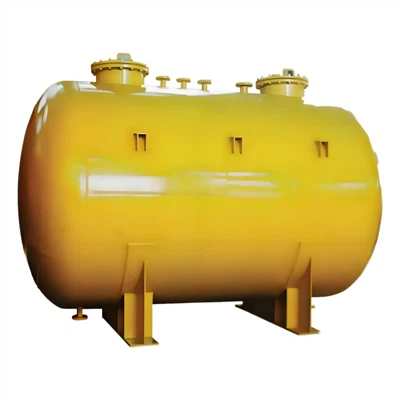
Steel fuel tanks are known for their durability and strength. They can withstand high pressures and are less likely to be punctured. However, steel is prone to rusting, especially if it comes into contact with water or corrosive substances in the fuel. A well - coated steel fuel tank can last anywhere from 15 to 25 years. For example, in industrial settings where large - scale Fuel Storage Tank are used, proper coating and regular maintenance can significantly extend the life of steel tanks.
Aluminum fuel tanks are lightweight and resistant to corrosion. They are often used in applications where weight is a concern, such as in aircraft and some high - performance vehicles. Aluminum tanks can last 20 to 30 years or more, depending on the quality of the alloy and the operating conditions.
Plastic fuel tanks have become increasingly popular in recent years, especially in automotive applications. They are lightweight, resistant to corrosion, and can be molded into complex shapes. High - quality plastic fuel tanks can last 10 to 20 years. However, they may be more susceptible to damage from extreme temperatures and certain chemicals.
Usage Patterns
How a fuel tank is used also has a major impact on its lifespan. In a vehicle, for instance, frequent short trips can cause more wear and tear on the fuel tank than long - distance driving. Short trips often lead to incomplete fuel combustion, which can result in the accumulation of moisture and contaminants in the tank.
In an industrial setting, the frequency of filling and emptying the Diesel Storage Tank can affect its lifespan. Rapid filling and emptying can cause stress on the tank walls, especially if the tank is not designed to handle such fluctuations. Additionally, the type of fuel stored in the tank matters. Some fuels, such as biofuels, can be more corrosive than traditional fossil fuels, which may shorten the tank's lifespan.
Environmental Conditions
The environment in which a fuel tank is located can significantly influence its durability. Tanks exposed to harsh weather conditions, such as extreme heat, cold, or high humidity, are more likely to experience premature deterioration. For example, in coastal areas where the air is salty, steel fuel tanks are at a higher risk of corrosion.
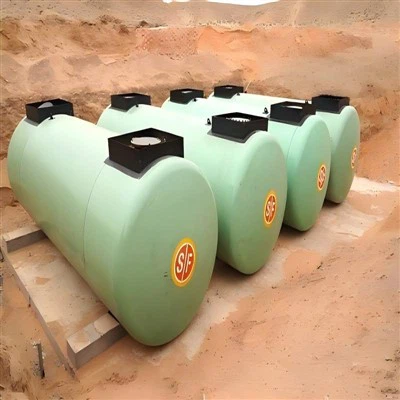
Similarly, if a fuel tank is installed underground, it is exposed to soil conditions, which can be acidic or alkaline. These soil conditions can corrode the tank over time. Proper insulation and protective coatings can help mitigate the effects of environmental factors on the tank's lifespan.
Maintenance and Inspection
Regular maintenance and inspection are essential for extending the life of a fuel tank.
Cleaning
Periodic cleaning of the fuel tank can prevent the buildup of sludge, rust, and other contaminants. This is particularly important for tanks that store fuels with a high sulfur content or those that are prone to water accumulation. Cleaning can be done using specialized cleaning agents and equipment, and it should be carried out by trained professionals.


Inspection
Regular inspections can detect early signs of damage, such as cracks, leaks, or corrosion. Visual inspections can be performed on the exterior of the tank, while internal inspections may require the use of specialized tools, such as cameras. Inspections should be carried out at least once a year, or more frequently if the tank is used in a high - stress environment.
Repairs
If any damage is detected during an inspection, it should be repaired immediately. Minor repairs, such as patching small holes or cracks, can often be done on - site. However, more extensive damage may require the tank to be taken out of service for major repairs or replacement.
Case Studies
Let's look at a few real - world examples to illustrate how different factors can affect the lifespan of fuel tanks.
Case 1: A Fleet of Delivery Trucks
A company operating a fleet of delivery trucks noticed that some of their fuel tanks were showing signs of corrosion after only 5 years. Upon investigation, it was found that the trucks were mainly used for short - distance deliveries in a coastal area. The combination of frequent short trips, which led to moisture accumulation in the tanks, and the salty coastal air accelerated the corrosion process. By implementing a more rigorous maintenance schedule, including regular cleaning and inspections, the company was able to extend the lifespan of the remaining fuel tanks.
Case 2: An Industrial Diesel Storage Facility
An industrial facility had a large Diesel Storage Tank that was over 20 years old. The tank was made of steel and had been well - maintained. Regular inspections and preventive maintenance, such as applying anti - corrosion coatings, had kept the tank in good condition. Despite being in service for more than two decades, the tank showed only minor signs of wear and was expected to last for several more years.
Tips for Prolonging the Lifespan of a Fuel Tank
- Choose the Right Material: Based on your specific needs and operating conditions, select a fuel tank made of a material that offers the best combination of durability and cost - effectiveness.
- Follow a Maintenance Schedule: Establish a regular maintenance routine that includes cleaning, inspection, and repairs. Stick to this schedule to ensure the long - term health of the tank.
- Use High - Quality Fuel: Low - quality fuels can contain contaminants that can damage the fuel tank. Always use fuels that meet the recommended standards.
- Protect from the Environment: If possible, install the fuel tank in a sheltered location or use protective coatings to shield it from harsh environmental conditions.
Conclusion
The lifespan of a fuel tank can vary widely depending on factors such as material quality, usage patterns, environmental conditions, and maintenance. While a well - maintained steel fuel tank can last 15 to 25 years, an aluminum tank may last 20 to 30 years, and a plastic tank 10 to 20 years. By understanding these factors and taking appropriate measures to maintain and protect the tank, users can maximize its lifespan and ensure reliable fuel storage.
If you're in the market for a new fuel tank or need advice on maintaining your existing one, we're here to help. As a leading fuel tank supplier, we offer a wide range of high - quality fuel tanks to meet your specific needs. Contact us to start a conversation about your fuel tank requirements and explore how we can provide the best solutions for you.
References
- "Fuel Tank Design and Construction Standards" - American Petroleum Institute
- "Corrosion Prevention in Fuel Storage Systems" - National Association of Corrosion Engineers
- "Automotive Fuel Tank Technology" - Society of Automotive Engineers