Hey there! I'm a supplier of 40 FT ISO Containers, and I often get asked about the building codes for using these containers as houses. It's a hot topic, especially with the growing trend of container homes. So, let's dive right in and explore what you need to know.
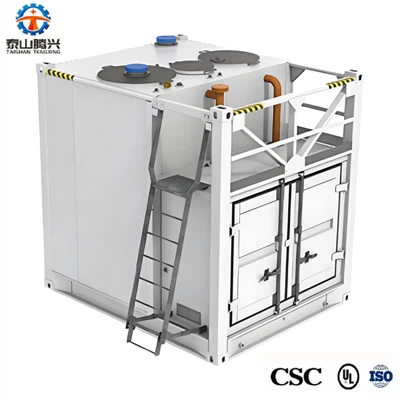
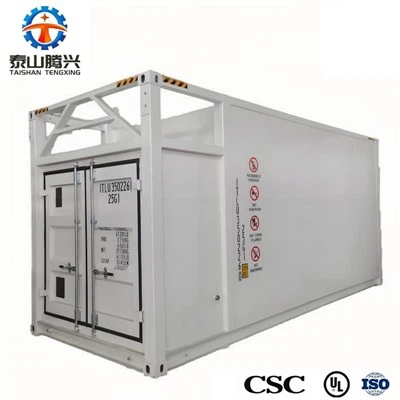
First off, what exactly is a 40 FT ISO Container? Well, it's a standardized shipping container that's 40 feet long. These containers are designed to be durable and weather - resistant, which makes them a great starting point for a home. You can check out more about 40 FT ISO Container on our website.
Now, when it comes to turning a 40 FT ISO Container into a house, building codes are super important. Building codes exist to ensure that your container home is safe, habitable, and up to par with local standards.
Location, Location, Location
One of the first things you need to consider is where you want to place your container home. Different areas have different zoning laws. Some places might not allow container homes at all, while others have specific areas designated for alternative housing. You'll need to check with your local planning department to find out if your chosen location is suitable. For example, if you want to put your container home in a residential neighborhood, there might be restrictions on the size, appearance, and setbacks from the property lines.
Structural Integrity
The 40 FT ISO Container is built to withstand the rigors of shipping, but when it's converted into a house, additional structural modifications might be required. Building codes will typically require that the container can support the weight of any added features like a roof, insulation, and interior partitions. You might need to reinforce the container's frame, especially if you're planning to add multiple levels or a large overhang. Engineers can help you determine the necessary structural enhancements to meet the local codes.
Foundation
A proper foundation is crucial for any home, and a container home is no exception. Building codes will specify the type of foundation required based on the soil conditions and the weight of the container. Common types of foundations for container homes include concrete slabs, pier foundations, and crawl spaces. A concrete slab provides a stable base and can help prevent the container from shifting over time. Pier foundations are a good option for areas with poor soil conditions, as they transfer the weight of the container to more stable ground.
Electrical Systems
When it comes to electrical systems in your container home, safety is the top priority. Building codes will dictate how the wiring should be installed, the type of electrical panels to use, and the number of outlets and switches required. You'll need to hire a licensed electrician to install the electrical system to ensure it meets all the safety standards. This includes proper grounding, circuit protection, and compliance with the National Electrical Code (NEC).
Plumbing
Plumbing is another area where building codes come into play. You'll need to install a proper water supply system, drainage system, and sewage disposal system. The water supply should be connected to a clean and reliable source, and the drainage system should be designed to prevent water from pooling around the container. If you're using a septic system for sewage disposal, it must be installed and maintained according to local regulations.
Insulation and Ventilation
Insulation is essential for keeping your container home comfortable year - round. Building codes will specify the minimum R - value (a measure of thermal resistance) for insulation in the walls, roof, and floor. Good insulation will help reduce energy costs and prevent condensation inside the container. Ventilation is also important to maintain good indoor air quality. You'll need to install proper ventilation systems, such as exhaust fans in the bathrooms and kitchens, and intake vents to bring in fresh air.
Fire Safety
Fire safety is a major concern in any home. Building codes will require that your container home has fire - resistant materials in certain areas, such as the walls and ceilings. You'll also need to install smoke detectors and fire extinguishers in appropriate locations. If your container home has a kitchen, there might be additional requirements for fire suppression systems, like a hood vent with a fire - rated filter.
Accessibility
If you plan to make your container home accessible to people with disabilities, building codes will have specific requirements. This includes things like wheelchair ramps, accessible doorways, and grab bars in the bathrooms. Making your home accessible not only meets the legal requirements but also makes it more user - friendly for everyone.


Permits
Before you start converting your 40 FT ISO Container into a house, you'll need to obtain the necessary permits. This usually involves submitting detailed plans of your proposed container home to the local building department for review. The plans should include information about the structural design, electrical and plumbing systems, insulation, and any other modifications you're planning to make. Once the plans are approved, you'll be issued the permits, and you can start the construction process.
It's important to note that building codes can vary widely from one location to another. Some areas might be more lenient when it comes to alternative housing, while others have strict regulations. That's why it's crucial to do your research and work closely with local authorities throughout the process.
If you're interested in using a 40 FT ISO Container for your home project, we're here to help. As a supplier, we offer high - quality 40 FT ISO Container that are suitable for conversion. We can also provide you with some basic information and guidance on the conversion process. If you have any questions or want to discuss your specific needs, feel free to reach out to us. We're always happy to talk about container homes and how we can assist you in making your dream home a reality.
In addition to 40 FT ISO Containers, we also have 40 FT ISO Tank available for various industrial applications. If you're in the market for a tank container, we can provide you with the details and pricing.
So, whether you're a DIY enthusiast or a professional builder, we're here to support your container - related projects. Contact us today to start the conversation about your next container home or tank purchase.
References
- International Residential Code (IRC)
- National Electrical Code (NEC)
- Local Building and Zoning Regulations